


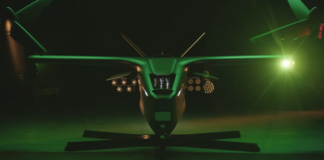
This Autonomous Aircraft Can Carry 10 Missiles Without a Pilot
Attack helicopters are facing a growing challenge on today's battlefield. The widespread use of inexpensive drones, loitering munitions and persistent aerial surveillance has made...

This Tiny Cyber Probe Can Tell When a Device Has Been...
Protecting critical systems becomes especially difficult once an attacker gets inside the device itself. Conventional cybersecurity tools can monitor network traffic, identify known vulnerabilities...
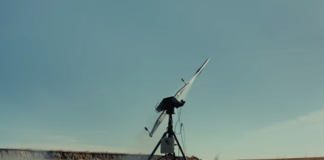
A Missile No Heavier Than a Laptop Takes Aim at Drone...
The rapid spread of military drones has created a growing problem for air-defense forces. Many attack drones are inexpensive to produce, yet they are...
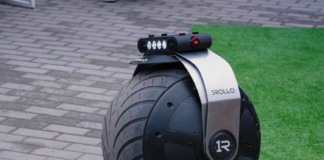
This One-Wheel Robot Could Replace Routine Security Patrols
Protecting large industrial sites, airports, campuses and critical infrastructure often requires continuous patrols over wide areas. Autonomous security robots are increasingly being used to...
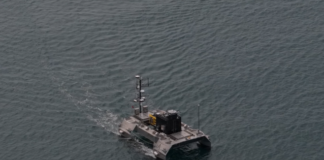
Autonomous Robot Boat Combines Surface and Aerial Surveillance
Maritime surveillance often requires both surface vessels and aerial drones to maintain awareness over large areas. While drones provide a much wider field of...
Quantum Timing Could Keep Air Defenses Running Without GPS
Modern air-defense networks increasingly rely on multiple radars spread across different locations. Combining their observations can create a more accurate picture of aircraft, missiles...
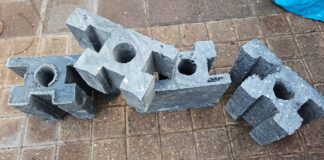
From Waste to Critical Infrastructure: eco BRICK Innovio’s Triple-Use Technology for...
Eco BRICK Innovio is a graduate of the INNOFENSE Innovation Center operated by iHLS in collaboration with IMoD. This unique acceleration program removes entrance barriers to...

Half Vehicle, Half Robot: Meet the New “Centaur” Machine
Robots designed for industrial inspection or emergency response often face a tradeoff. Wheeled platforms can move quickly and efficiently over long distances but struggle...

The Future of Low-Tech Is Here: Kamai’s AI Translates Construction Blueprints...
Kamai is a graduate of the INNOFENSE Innovation Center operated by iHLS in collaboration with IMoD. This unique acceleration program removes entrance barriers to the technological...
New Micro-Drones Can Launch, Land, Recharge, and Relaunch Without Human Help
One of the biggest challenges facing modern military reconnaissance is persistence. Small drones provide valuable situational awareness, but they are limited by battery life,...
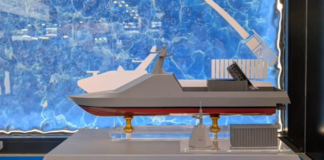
This Unmanned Warship Packs Missiles With a 290-Km Strike Range
Unmanned surface vessels are rapidly evolving from reconnaissance platforms into armed combat systems capable of operating alongside conventional naval forces. As maritime threats become...
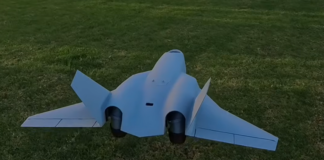
This 3D-Printed Interceptor Could Become a New Layer of Air Defense
The rapid spread of inexpensive drones has created a growing challenge for air-defense systems. Traditional surface-to-air missiles can be effective against unmanned aircraft, but...
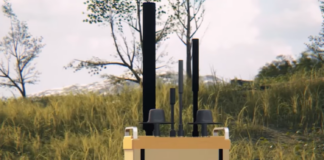
This AI-Powered System Can Track More Than 500 Drones at Once
The growing use of small drones around military installations has forced defense organizations to rethink how they protect sensitive facilities. Commercially available unmanned aircraft...

Meet the Robot Dog Built to Survive Arctic Ice and Freezing...
Collecting data in the Arctic is often as challenging as the research itself. Beneath seemingly solid snow can lie hidden pools of icy water,...
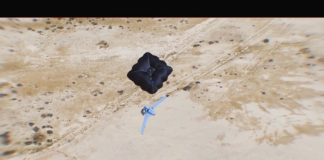
Aerodynamic Expertise Meets Defense Tech: The Technology Bringing Aircraft Safely Back...
Apco Aviation Defense is a graduate of the INNOFENSE Innovation Center operated by iHLS in collaboration with IMoD. This unique acceleration program removes entrance barriers to...

Autonomous Ground Vehicles Are Heading to the Front Lines
Keeping frontline units supplied has always been one of the most dangerous tasks in military operations. Vehicles carrying ammunition, equipment, and spare parts often...

The Mystery Around This Sixth-Gen Fighter Is Finally Starting to Lift
Sixth-generation combat aircraft are expected to reshape future air combat by combining low observability, long-range operations, advanced sensors, artificial intelligence, and close cooperation with...
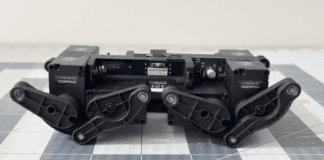
The Future of Robotics Might Be Smaller Than You Think
Legged robots have become increasingly capable in recent years, but most advanced quadruped systems remain expensive, complex, and difficult for students, hobbyists, and researchers...
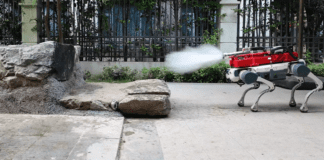
This Robot Dog Can Fight Fires While Keeping Crews Out of...
Firefighters frequently operate in environments where collapsing structures, intense heat, toxic smoke, and rapidly changing conditions pose significant risks. Entering these areas to extinguish...
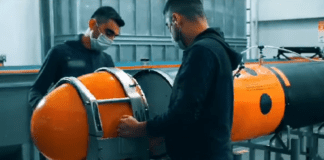
This Heavyweight Torpedo Just Passed One of the Toughest Tests in...
Submarine warfare depends heavily on one weapon: the heavyweight torpedo. Unlike missiles, which can be observed and tracked throughout much of their flight, torpedoes...
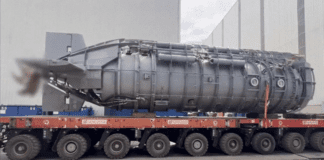
A New Robot Submarine Built for Stealth Strike Missions
As unmanned systems expand across air and land domains, underwater autonomy is becoming an increasingly important area of military development. Traditional submarines remain highly...

This Helmet Doesn’t Just Protect Soldiers — It Connects Them
Modern soldiers increasingly operate with multiple connected devices at once, such as radios, sensors, cameras, navigation systems, hearing protection, and digital battlefield applications. While...
Latest
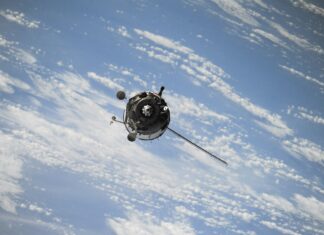
Laser Sensing Tech Could Move From Ground Mapping to Space Surveillance
Stealth aircraft are designed primarily to make radar detection more difficult, creating an ongoing challenge for the sensors responsible for finding and tracking them....