

This post is also available in:
 עברית (Hebrew)
The growing use of inexpensive drones has created a major challenge for air defense systems. Small reconnaissance UAVs and FPV strike drones can be deployed in large numbers at relatively low cost, while intercepting them often requires missiles worth hundreds of thousands—or even millions—of dollars. This imbalance has pushed militaries to search for more affordable and sustainable counter-drone solutions.
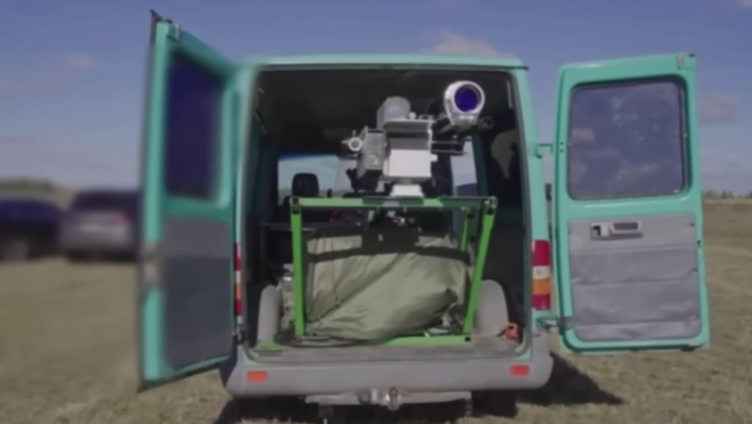
One approach now nearing operational deployment is a trailer-mounted laser weapon designed specifically to engage small aerial targets. The system, called Tryzub, is intended to provide a rapid-response layer for short-range air defense, targeting drones using directed energy instead of traditional kinetic interceptors.
According to Interesting Engineering, the platform combines optical targeting, radar integration, and automated tracking capabilities. Artificial intelligence is used to assist with target acquisition and engagement, allowing the system to identify and track incoming drones more quickly than earlier manually operated versions. The laser is designed to damage key drone components such as optics, electronics, and structural surfaces, disabling targets without the need for explosive warheads.
The system reportedly has different engagement ranges depending on target type. Smaller FPV drones can be targeted at shorter distances, while larger UAVs and Shahed-style drones are being tested at ranges of up to around 5,000 meters. Because the platform is trailer-mounted, it can be repositioned relatively quickly to protect different operational areas.
From a defense perspective, directed-energy systems are increasingly viewed as a potential complement to conventional air defense networks rather than a full replacement. Laser weapons offer a low-cost-per-shot alternative against mass drone attacks, particularly when defending infrastructure such as logistics hubs, energy facilities, or population centers. They may also reduce the strain on more expensive missile-based intercept systems that are better suited for larger threats.
At the same time, practical limitations remain. Environmental conditions such as rain, fog, smoke, and dust can reduce laser effectiveness, and many technical details about the system, including power output and cooling capacity, have not been publicly disclosed.
Even so, the continued development of AI-assisted laser defenses reflects a broader shift toward lower-cost counter-drone technologies designed for high-volume aerial threats.























