
A New Underwater Robot Is Built to Hunt for Threats on...
Inspecting the underside of a ship is a difficult but important security task. Hulls can conceal structural damage, foreign objects or potentially dangerous devices...
This Skin-Cell-Sized Sensor Could One Day Help Detect Submarines
Detecting extremely weak magnetic fields is useful in everything from medical imaging to industrial monitoring, but sensitivity comes with a fundamental problem: noise. As...

New Drone System Finds Underwater Explosives Hidden for Decades
Unexploded bombs, naval mines, and artillery shells left behind by past conflicts remain a hazard in coastal waters around the world. Buried beneath sand...
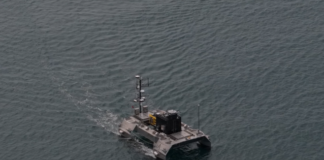
Autonomous Robot Boat Combines Surface and Aerial Surveillance
Maritime surveillance often requires both surface vessels and aerial drones to maintain awareness over large areas. While drones provide a much wider field of...
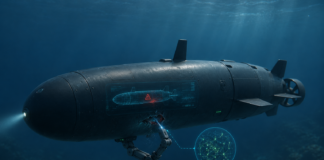
New Sensor Technology Helps Underwater Robots Detect and Recover From Damage
Underwater environments are notoriously demanding for electronic systems. Sensors used by divers and underwater robots must withstand pressure, moisture and constant mechanical stress while...

Inspired by Diving Birds, This Drone Masters Air and Sea
Collecting data at sea often requires researchers to choose between two very different types of vehicles. Aerial drones can quickly survey large areas but...

A New Airborne Detection System Could Expand Underwater Tracking Capabilities
Detecting objects beneath the ocean surface remains one of the most difficult challenges in maritime sensing. Water limits the effectiveness of many conventional detection...
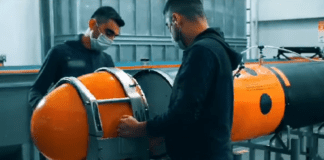
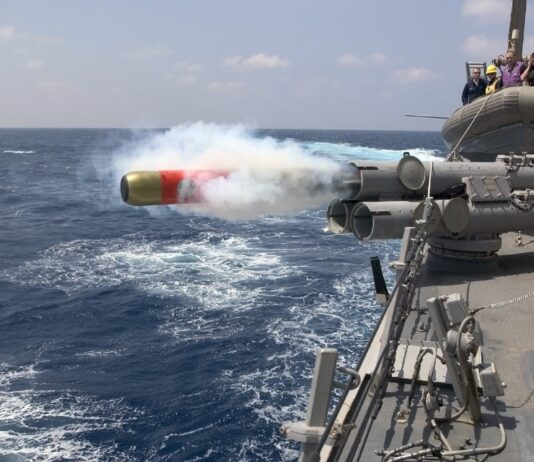
This Heavyweight Torpedo Just Passed One of the Toughest Tests in...
Submarine warfare depends heavily on one weapon: the heavyweight torpedo. Unlike missiles, which can be observed and tracked throughout much of their flight, torpedoes...
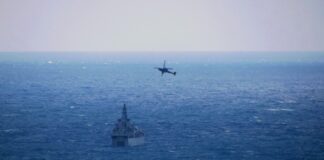
A New Maritime Radar Is Designed to Spot Drones Hiding in...
The growing use of drones is creating new security challenges far beyond traditional battlefields. Ports, shipping lanes, offshore platforms, and commercial vessels are increasingly...
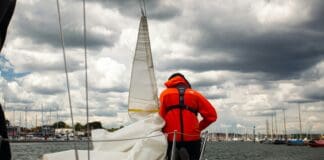
Fall Overboard? This Autonomous Drone Could Reach You Before the Rescue...
When someone falls overboard, time becomes the most critical factor in survival. Ships traveling at speed require time to stop, launch rescue craft, and...
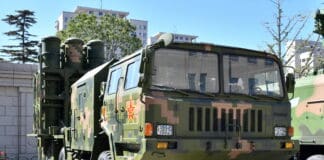
New Air Defense Missile Debuts with a Distinctive Wingless Design
Modern air-defense networks face an increasingly diverse set of threats. Combat aircraft, cruise missiles, drones, and tactical ballistic missiles can approach from different altitudes...
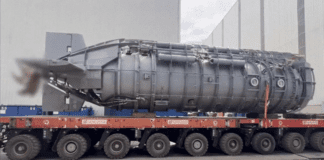
A New Robot Submarine Built for Stealth Strike Missions
As unmanned systems expand across air and land domains, underwater autonomy is becoming an increasingly important area of military development. Traditional submarines remain highly...

Instead of Shooting Drones Down, This Laser Blinds Them
Small unmanned aerial systems have become an increasingly common challenge for naval forces. Surveillance drones can track ship movements, collect targeting information, and operate...
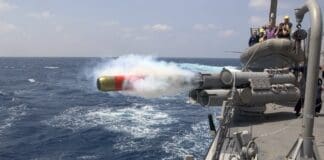
A New Layered Defense for Evolving Torpedo Threats
Undersea threats are becoming harder to counter. Modern torpedoes are faster, quieter, and more capable of adjusting their course mid-run, leaving ships with very...
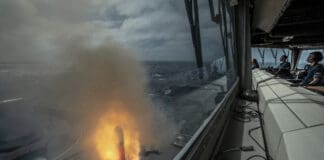
A Cruise Missile Fired From the Ground — and Retargeted Mid-Flight
Modern military operations increasingly rely on long-range precision fires, but many of these capabilities have traditionally depended on ships or aircraft. In heavily contested...
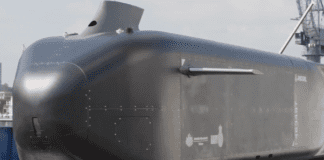
Smaller, Smarter, and Unmanned: A New Naval Shift
Maritime operations are becoming increasingly complex, with growing demand for persistent surveillance, extended reach, and reduced risk to personnel. Traditional submarines can provide these...
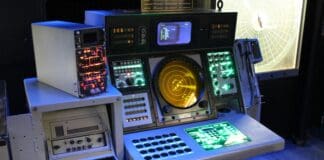
From Steel to Software: Ships Are Becoming Self-Learning Systems
Modern naval operations generate vast amounts of sensor data, but much of it remains underutilized. Legacy systems often rely on manual processing and fragmented...
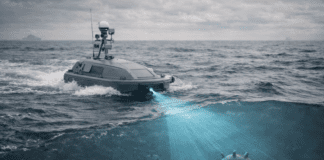
Clearing Naval Mines Without Putting Sailors at Risk
Naval mines remain one of the most persistent threats in maritime security. Relatively inexpensive and easy to deploy, they can disrupt shipping lanes, block...
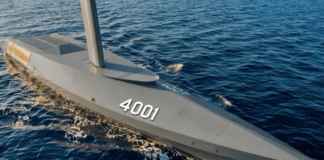
A 14,000-KM Drone Built for Undersea Surveillance
Tracking submarines across vast ocean areas is one of the most resource-intensive missions in naval operations. Traditional platforms, such as crewed ships and aircraft,...
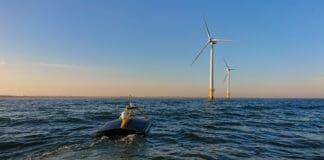
Robots at Sea: Uncrewed Vessel Launches Underwater Drone on Its Own
Monitoring activity beneath the ocean surface remains a complex and resource-intensive task. Traditional methods rely heavily on crewed ships to deploy and retrieve underwater...

Listening Beneath the Waves: A New Era in Subsea Sensing
Monitoring activity beneath the ocean surface remains one of the most complex challenges in maritime operations. Traditional sonar systems provide valuable acoustic data, but...
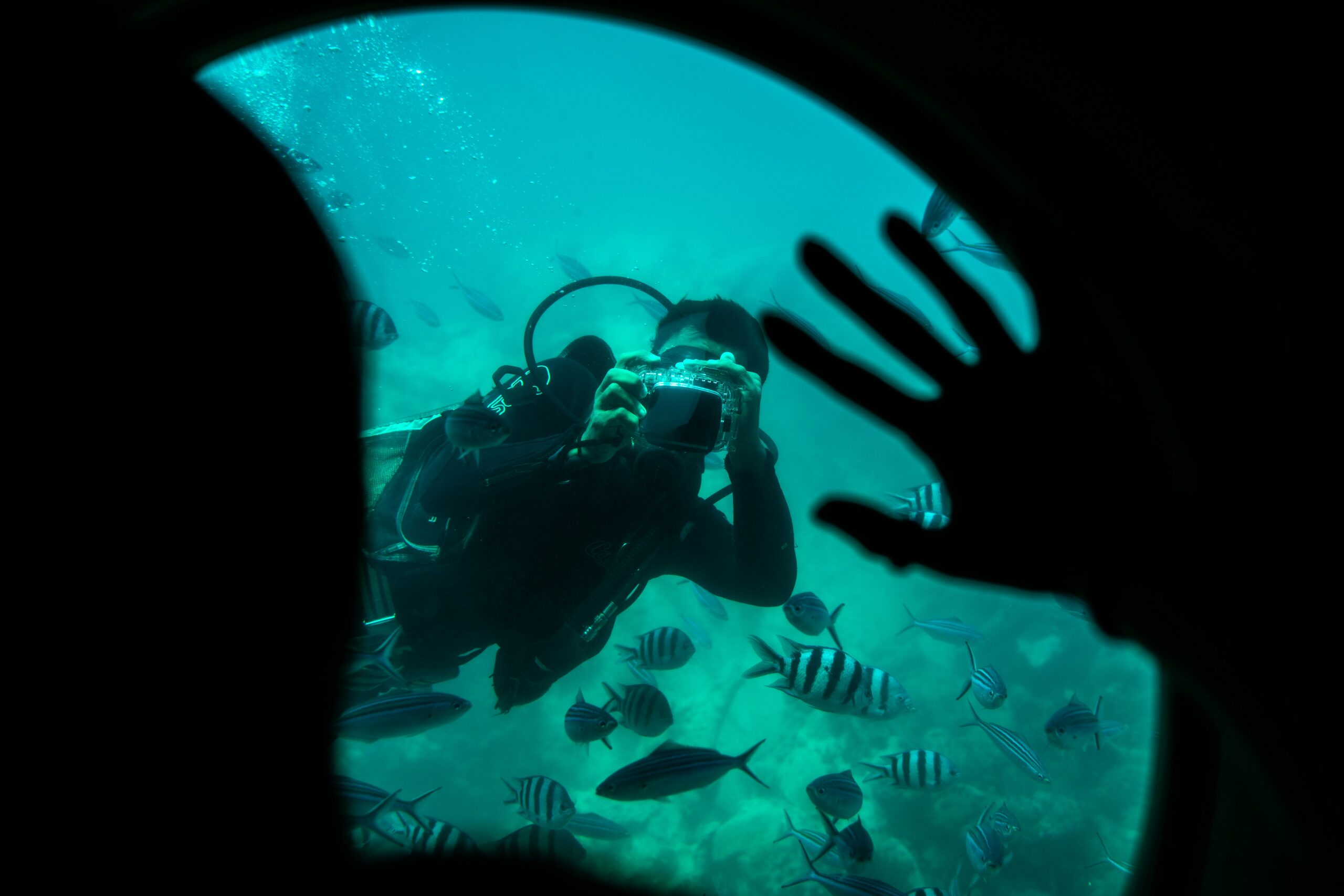
How Fiber Cables Are Becoming Silent Underwater Sensors
Europe’s growing dependence on underwater infrastructure has exposed a quiet vulnerability beneath the surface. Power cables, data links, and energy pipelines crisscross coastal waters,...
Latest
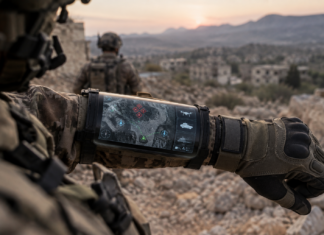
Soldiers Could Soon Wear Battlefield AI on Their Wrists
Modern soldiers can receive information from drones, sensors and other units, but getting that data to the person who needs it becomes difficult when...