This post is also available in:
 עברית (Hebrew)
Modern soldiers increasingly operate with multiple connected devices at once, such as radios, sensors, cameras, navigation systems, hearing protection, and digital battlefield applications. While these tools improve situational awareness, they also add cables, batteries, and external hardware that can increase weight and complexity during operations.
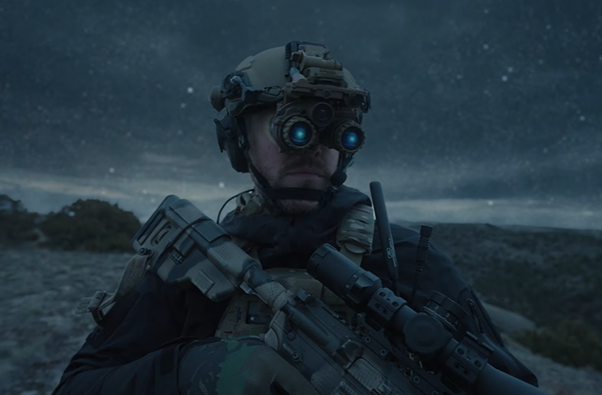
A new combat helmet concept (CORTEX EVO) aims to consolidate many of those functions directly into the helmet itself. The system combines ballistic protection with embedded power distribution, onboard data processing, and integrated connectivity designed to support digitally connected battlefield operations.
Instead of relying heavily on external battery packs and separate wiring systems, the helmet integrates internal power and data pathways into its structure. This allows connected devices and mission systems to operate through the helmet architecture while reducing the need for additional hardware attached to the soldier’s gear.
According to NextGenDefense, at the center of the system is software designed to deliver mission information directly to individual operators. Integrated with Tactical Assault Kit (TAK) ecosystems, the platform can provide customizable visual and audio alerts tied to navigation data, sensor feeds, or operational updates. The idea is to reduce information overload by prioritizing critical alerts at the user level.
The helmet also uses an open architecture approach, allowing integration with multiple external technologies. These include video feeds, navigation systems, digital communications headsets, and fused optical imaging tools. Additional integrated technologies support laser-threat detection and identification friend-or-foe signaling, helping improve battlefield awareness and reduce the risk of misidentification.
Several partner systems contribute specialized sensing and visual augmentation capabilities. These include laser warning sensors capable of identifying incoming targeting or range-finding systems, as well as advanced optical integration designed to support enhanced situational awareness in low-visibility or complex environments.
From a defense perspective, the broader trend reflects the growing shift toward the “digitized soldier”, where individual troops function as connected nodes within larger battlefield networks. Integrating communications, sensing, and processing directly into wearable equipment may reduce equipment burden while improving access to real-time operational data.
The concept also highlights how future combat gear is evolving beyond passive protection toward active information management and integrated battlefield connectivity.