This post is also available in:
 עברית (Hebrew)
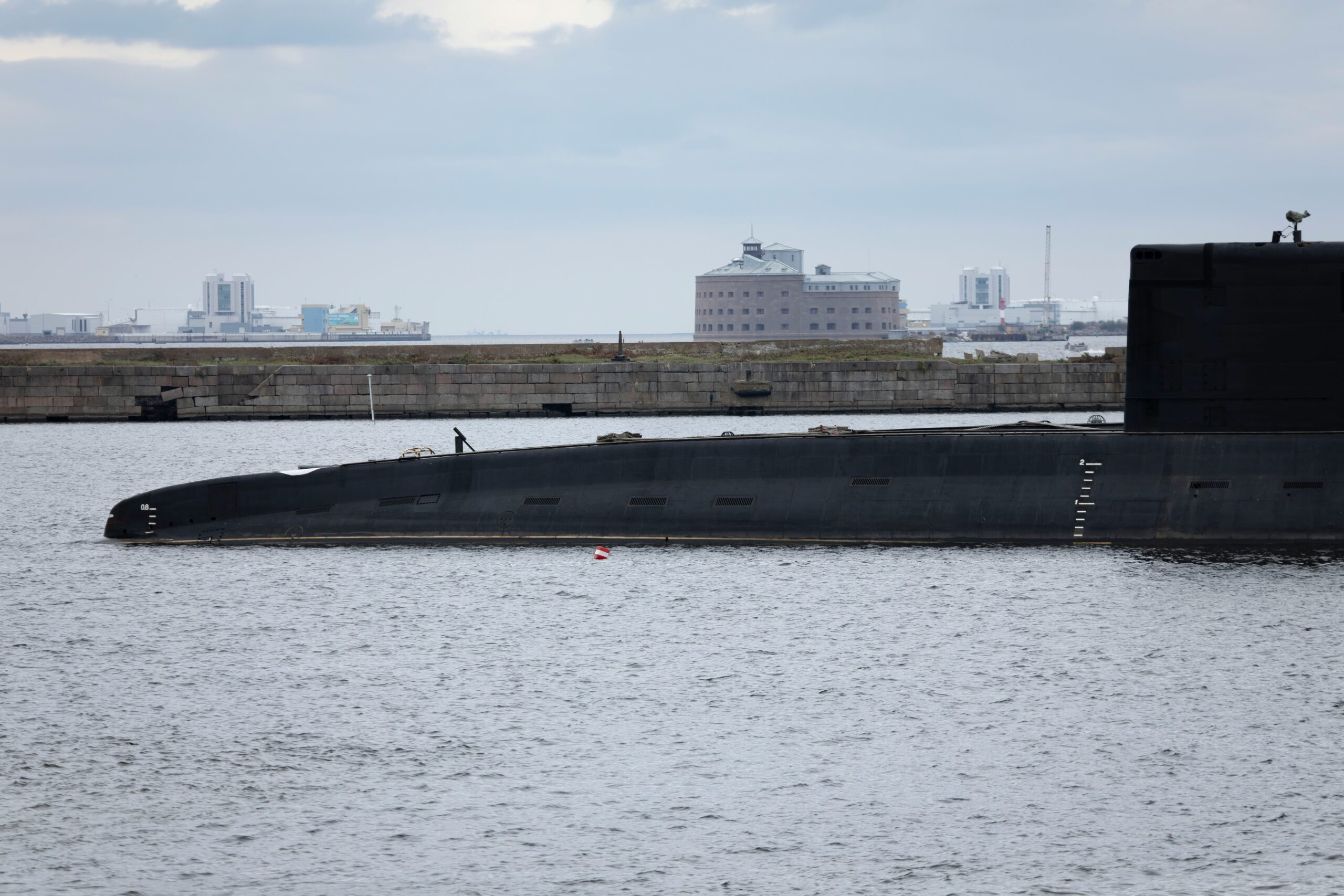
Inspecting the underside of a ship is a difficult but important security task. Hulls can conceal structural damage, foreign objects or potentially dangerous devices below the waterline, where crews cannot easily see them. Traditional inspections often require trained divers to enter confined, low-visibility environments around large vessels, exposing personnel to unnecessary risk while limiting how quickly multiple ships can be checked.
Greensea IQ has developed an autonomous underwater robot designed to take over much of that work. Called Bayonet Sweep, the system moves directly along a vessel’s hull, autonomously searching the submerged surface for anomalies and providing operators with a record of anything that requires further investigation.
Unlike free-swimming underwater drones that inspect a vessel from a distance, the system is designed to crawl along the hull itself. This allows the robot to systematically move from one end of a ship to the other while maintaining close proximity to the surface being examined.
The system runs on the company’s Core autonomy software, which handles navigation and processes information collected during the inspection. When the robot detects something unusual, the software can identify its location and alert an operator so that the object or area can be examined more closely.
Once the inspection is complete, the system can automatically produce a detailed mission report, giving crews and security personnel a structured overview of the hull rather than requiring them to manually review an entire underwater survey.
The same technology can also be used beyond ships. The system is intended to inspect other forms of underwater critical infrastructure, making it potentially useful around ports, harbors and maritime facilities where submerged structures can be difficult to monitor routinely.
According to NextGenDefense, another notable capability is multi-robot operation. Because the system shares the software with other company systems, multiple robots can operate together. Several units could divide a large inspection area between them, while the software coordinates their work and helps operators assess the combined findings. This could shorten inspection times for large vessels or infrastructure compared with relying on a single robot.
For defense and homeland security, autonomous hull inspection addresses a persistent vulnerability in port protection. Military and commercial vessels arriving from different locations may need to be checked for suspicious objects attached below the waterline, while divers cannot practically inspect every hull continuously. Robotic systems could allow inspections to be conducted more routinely while keeping personnel out of potentially hazardous water.
The system is already commercially available, with training and remote support offered alongside the system. Its introduction reflects a broader move toward autonomous maritime security, where robots handle repetitive or hazardous underwater inspections while human operators concentrate on evaluating anything the machines flag for closer attention.