This post is also available in:
 עברית (Hebrew)
Modern air-defense systems depend heavily on radar to determine which objects in the sky deserve attention. That creates an opportunity for deception: if a relatively inexpensive drone can imitate the radar signature of a much larger target, it could force an adversary to reveal defensive positions or expend costly interceptors against something that was never the real threat.
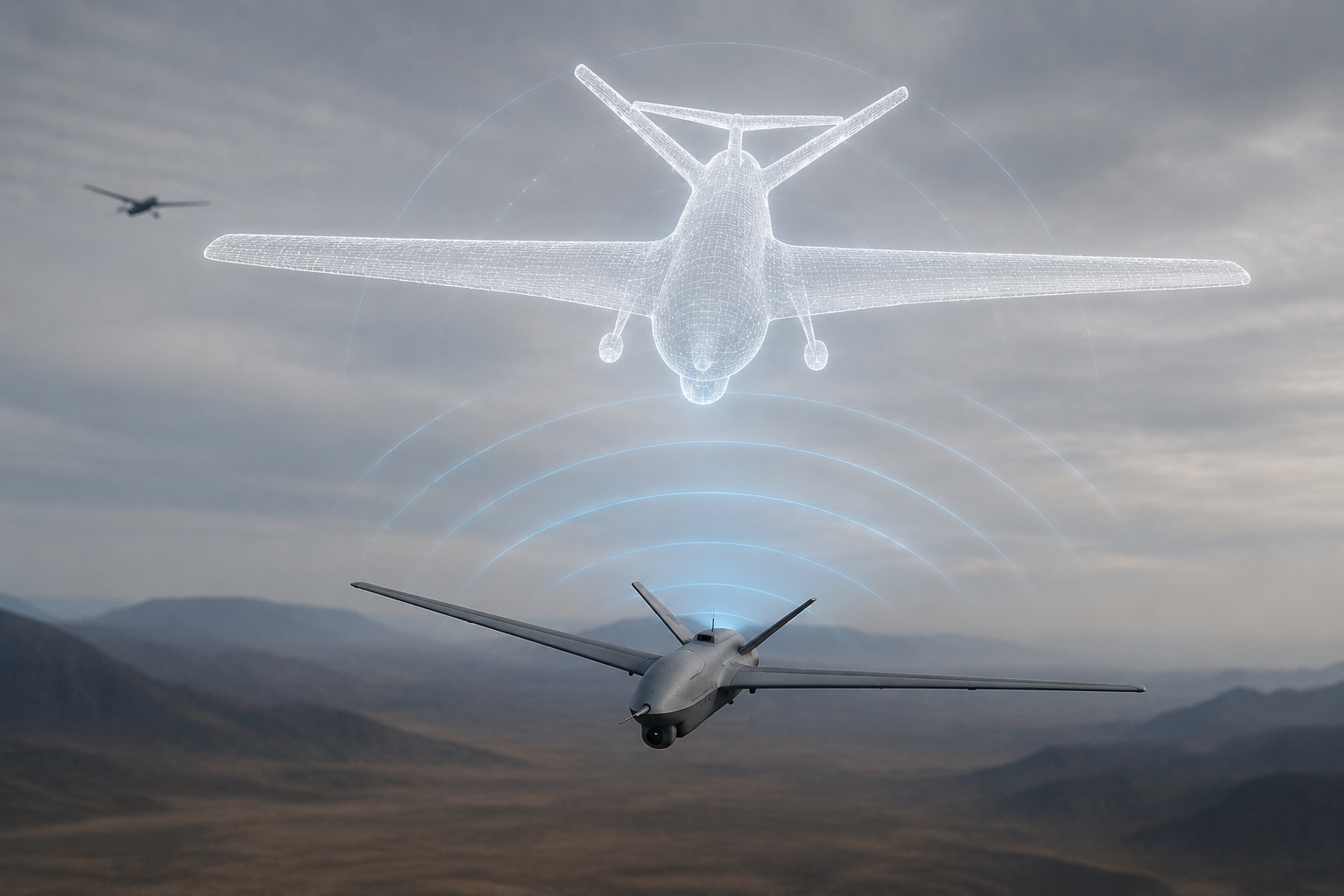
A new unmanned aircraft called Spectr, developed by OM Defence Systems, is designed around exactly that concept. Instead of relying on conventional jamming, the UAV carries a concealed 1.2-kilogram microwave retroreflector that manipulates the radar return received by hostile sensors.
The reflector operates across frequencies from 3 to 20 GHz. When radar energy reaches the drone, the device reflects that energy back toward its source in a way that produces a significantly stronger return. According to reports, the UAV can consequently appear on radar to have a signature up to 20 times larger than it would naturally generate.
According to NextGenDefense, this does not physically make the aircraft larger or create a false target elsewhere. Instead, it changes how prominent the real drone appears to radar. A defensive system could therefore classify the small UAV as a more important airborne threat and devote additional attention, or potentially an interceptor, to tracking and engaging it.
The concept has another potential benefit. Radar systems must transmit electromagnetic energy to detect and follow targets. When an air-defense radar begins tracking a decoy such as this, those emissions can themselves be detected, helping opposing forces locate previously concealed radar positions.
The aircraft has been designed for relatively simple field deployment. The UAV uses an electric propulsion system with a rear-mounted pusher motor and navigates using GPS. A catapult launch eliminates the need for a runway, allowing teams to deploy the UAV from dispersed positions with limited supporting infrastructure.
Its airframe is made from polyvinyl chloride (PVC), and the platform has reportedly reached Technology Readiness Level 6, indicating that a prototype has been demonstrated in a relevant environment. The UAV is currently undergoing field trials with Ukrainian forces.
The drone is also intended to operate as part of a wider layered architecture rather than as an isolated platform. The company envisions pairing it with its Kestrel hard-kill interceptor drone. In this configuration, it provides the deception element while Kestrel performs interception missions.
For defense forces, radar decoys offer a way to complicate an adversary’s targeting process without committing more valuable aircraft. They can potentially consume enemy attention, reveal active sensors and create uncertainty about which radar tracks represent genuine high-value targets.
The UAV demonstrates how relatively small unmanned systems can increasingly contribute to electronic warfare through deception rather than raw firepower, turning the radar signature itself into part of the mission.