This post is also available in:
 עברית (Hebrew)
Modern armored vehicles are increasingly equipped with camouflage, thermal-management technologies and other measures intended to make them harder to identify and engage. At the same time, anti-tank weapons must continue operating in darkness, smoke and other low-visibility battlefield conditions. For a fire-and-forget missile such as the Javelin, much of that challenge falls on the seeker that tracks the target after launch.
The U.S. Army is now developing a next-generation infrared seeker for the FGM-148 Javelin, replacing aging components in the missile’s existing guidance section. Kratos Defense & Security Solutions has received a contract to develop, manufacture and test the new seeker, with the objective of producing a system suitable for future production.
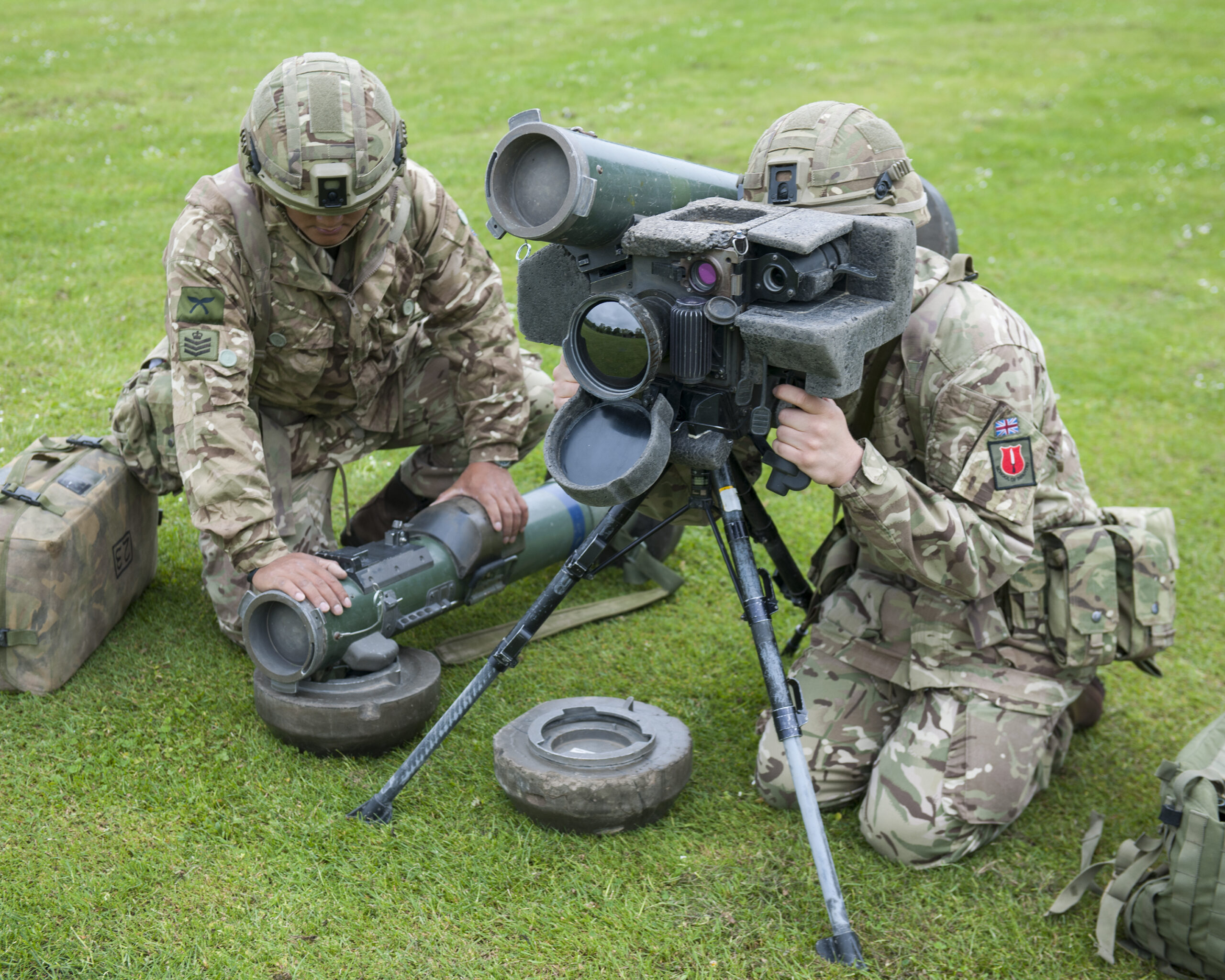
According to NextGenDefense, the seeker essentially serves as the missile’s eyes during an engagement. Before launch, the operator uses the missile’s Command Launch Unit (CLU), which includes day and thermal sights, to locate and select a target. Once fired, the missile’s imaging infrared seeker tracks the target’s thermal signature autonomously, allowing the operator to relocate or prepare another shot instead of manually guiding the weapon all the way to impact.
Updating this component is therefore important for maintaining the missile’s ability to identify and follow targets as battlefield conditions and countermeasures evolve. Specific technical details about the new seeker, including detection range, resolution and improvements over the existing system, have not been disclosed.
It remains a man-portable anti-armor weapon designed for targets including tanks, other armored vehicles, bunkers and hardened positions. Its reported engagement envelope extends from approximately 65 meters to 4 kilometers. One of its best-known features is its top-attack flight profile, in which the missile climbs after launch before descending onto the upper section of an armored vehicle, where protection is typically lighter.
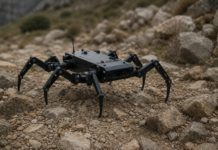
The system can also use a more direct trajectory when required by the target or operating environment. Beyond shoulder-fired operation, it has been demonstrated with remote launch configurations, including integration with uncrewed ground vehicles, extending its potential use within robotic combat formations.
The seeker modernization reflects a wider challenge in defense procurement: keeping proven weapons relevant without replacing entire systems. Guidance electronics and sensors can become obsolete long before the basic missile concept does, particularly as semiconductor and imaging technologies advance.
By replacing the weapon’s infrared seeker while retaining the broader weapon architecture, the Army aims to extend the capability of an established anti-armor system while incorporating newer sensing technology. Development will take place at the company’s Advanced Manufacturing Center, with testing planned at Army facilities before the seeker can progress toward production.