

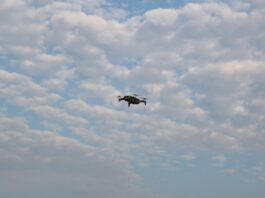

Startups Wanted: INNOFENSE Seeks the Next Dual-Use Technologies
Previous INNOFENSE cycles have helped innovative technologies make the leap from civilian development to defense applications. Now, iHLS and the Ministry of Defense are...

The Future of Drone Warfare May Be About the Network, Not...
Military forces are rapidly adding drones and robotic systems, but operating them as separate platforms creates a growing coordination problem. One aircraft may collect...
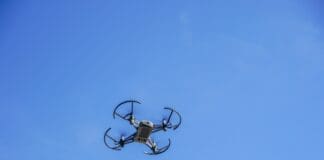
This Software-Defined Shield Could Help Drones Survive Electronic Warfare
Electronic warfare equipment can help aircraft detect hostile emitters, recognize threats and protect themselves from electronic attack. The problem is that traditional EW systems...

Quantum Sensors Could Turn Cheap Drones Into Submarine Hunters
Finding a submarine beneath the ocean is one of the more difficult surveillance tasks in modern warfare. Sonar and sonobuoys can listen for underwater...
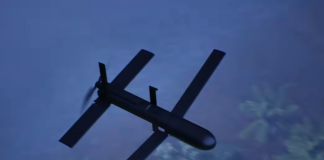
This Software Turns Individual Drones Into a Coordinated Swarm
As armed forces deploy growing numbers of unmanned aircraft, managing them efficiently is becoming as important as the drones themselves. Controlling each aircraft individually...

Building Tech for Two Worlds? INNOFENSE Is Looking for Dual-Use Startups
Building on the success of previous cycles and the progress of participating technologies within the defense sector, iHLS and the Ministry of Defense invite...

A Strategic Perspective on DroneX London 2026 – Assessing the Impact...
Written By Or Shalom
The DroneX 2026 exhibition at ExCeL London marks a clear turning point in the evolution of unmanned systems and airspace defense...

INNOFENSE Launches New Call for Breakthrough Dual-Use Technologies
Following the achievements of previous cycles, iHLS and the Ministry of Defense are opening applications for the seventh cycle of INNOFENSE. The program offers...

One Software Platform Could Control Drones and Ground Robots Together
As organizations deploy more robots, a new problem emerges: each machine can come with its own controls, software and mission-planning tools. An operator working...

Drones Slip Past Air Defense? This System Is the Ship’s Last...
Modern warships can carry sophisticated air defenses, but inexpensive drones have created a difficult problem at the opposite end of the engagement range. FPV...

This Rifle Upgrade Times Every Shot to Help Hit Fast-Moving Drones
Small drones have become a difficult target for infantry. They can approach quickly, change direction and present a much smaller target than a conventional...
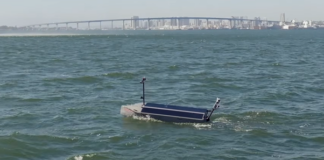
This Tiny Boat Could Patrol Waters Without Putting Anyone Onboard
Monitoring large stretches of ocean creates a difficult resource problem for military and security forces. Ports, shipping lanes and strategic waterways may require continuous...

Calling All Startups: INNOFENSE Opens Applications for Dual-Use Technologies
If your startup applies to one of the following subjects, consider submitting your applications for INNOFENSE’s seventh cycle until October 15th, 2026:
Early, remote...

This Radar Can Watch the Sky Without Giving Away Its Position
Air-defense radars face an inherent problem: the signals they transmit to find aircraft can also reveal where the radar itself is located. In a...

Your 5G Network Could Soon Double as a Drone Detector
Detecting unauthorized drones around airports, power plants, stadiums and other sensitive locations usually requires dedicated radars, radio-frequency sensors or cameras. Deploying enough of those...
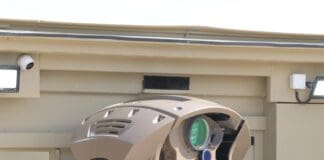
This Mobile Laser Weapon Can Take Down Drones Without Firing a...
Small drones have created an awkward problem for ground forces. They can be inexpensive, difficult to spot and deployed repeatedly, while intercepting them with...

INNOFENSE Is Looking for the Next Generation of Dual-Use Startups
iHLS and the Ministry of Defense invite you to join the seventh cycle of INNOFENSE and receive a remarkable opportunity to showcase your technology...
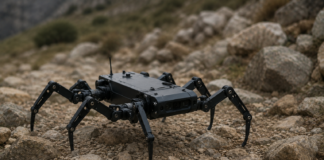
AI Gives This Six-Legged Robot an Insect-Inspired Way to Walk
Legged robots can cross terrain that stops wheeled machines, but coordinating several legs over unpredictable ground is difficult. Many robots rely on predefined gaits,...

This Tiny Robot Can Keep Jumping as Long as the Light...
Small robots designed to cross rough terrain face a basic mechanical challenge: jumping usually requires a mechanism to store energy, release it and then...

This Robot Hunts for Drones So Soldiers Don’t Have To
Detecting small drones often requires sensors to be positioned close enough to likely flight paths to pick up their signals. On a battlefield, however,...

A High-Speed Robot Boat Is Becoming a Floating Drone Carrier
Small, unmanned boats are increasingly being used for surveillance, logistics and other maritime missions, but their usefulness has traditionally ended at the water's surface....

A New Trailer Can Charge Drones, Power Sensors and Haul Cargo
Supplying electricity on the modern battlefield is becoming almost as important as delivering fuel or ammunition. Military units now rely on drones, electronic warfare...
Latest

New Hardware Attack Exposes a Blind Spot in Secure Cloud Computing
Confidential computing is supposed to solve one of cloud computing's biggest security problems: how to process sensitive information on infrastructure operated by someone else...