

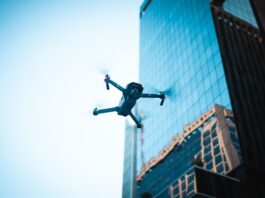

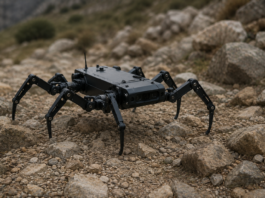

A $200M Buyout of an Israeli Company Signals the Growing Importance...
As military operations become increasingly data-driven, defense companies are racing to integrate software capable of coordinating sensors, drones, air defense systems, and battlefield assets...

A Combat Vehicle That Doesn’t Stop at the Waterline
Amphibious operations remain one of the more complex military challenges. Moving troops and equipment from ship to shore requires platforms that can operate reliably...

Real-Time Tracking Replaces Manual Reports on the Battlefield
Tracking personnel in large, dynamic environments has long relied on manual updates, spreadsheets, and fragmented reporting systems. In fast-moving operations, these methods can lag...
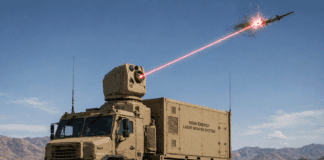
The Push to Stop Drones With Beams Instead of Missiles
The growing use of small drones is forcing a rethink in short-range air defense. Commercial quadcopters and improvised FPV systems are inexpensive, easy to...
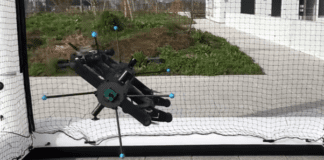
Forget Tilting: A New Way for Drones to Fly
Traditional drones rely on a simple principle: to move forward, they must tilt. This dependence on body orientation limits maneuverability, slows response time, and...
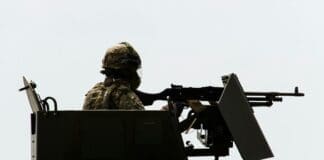
Fighting Drones Without Leaving the Tank
Modern armored units are facing a new challenge: drones are no longer a rare threat, but a constant presence. Small UAVs can locate, track,...

When GPS Fails, This System Keeps Everything Running
Modern military systems rely heavily on satellite navigation and timing, but these signals are increasingly vulnerable. In contested environments, electronic warfare can disrupt or...
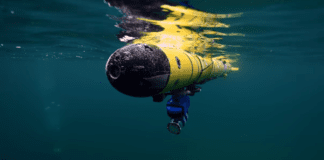
When Divers and Robots Start Thinking Together
Underwater operations present a persistent challenge for both humans and machines. Visibility is often limited, communication is constrained, and navigation can quickly become uncertain....
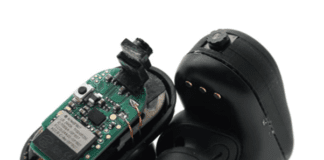
The Earbuds That Answer Questions About Your Surroundings
Accessing visual information through AI typically requires smartphones, cameras, or wearable devices like smart glasses. However, these solutions often come with trade-offs: high power...

A Battlefield Chatbot That Answers in Real Time
Modern military operations generate vast amounts of data, but turning that information into actionable insight at the right moment remains a challenge. Lessons learned...

A Smarter Way to Find Hidden Threats Underwater
Naval mines remain one of the most disruptive and persistent threats in maritime operations. They are relatively simple to deploy but difficult and time-consuming...
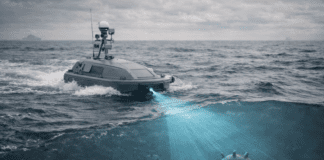
Clearing Naval Mines Without Putting Sailors at Risk
Naval mines remain one of the most persistent threats in maritime security. Relatively inexpensive and easy to deploy, they can disrupt shipping lanes, block...

The Drone Boat That Carries More—and Moves Faster
Naval forces are increasingly looking for ways to extend reach and firepower without exposing crews to risk. Traditional vessels offer capability but come with...
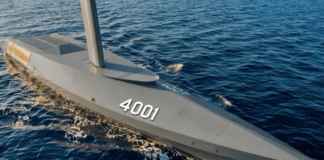
A 14,000-KM Drone Built for Undersea Surveillance
Tracking submarines across vast ocean areas is one of the most resource-intensive missions in naval operations. Traditional platforms, such as crewed ships and aircraft,...
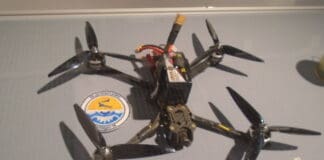
The Drone Built to Take Down Other Drones
The rapid spread of low-cost kamikaze drones is creating a growing challenge for air defense systems. These small, expendable platforms can be deployed in...

Meet the Palm-Sized Drone Built for Zero-Visibility Missions
Small drones are increasingly used in environments where visibility is limited, such as collapsed buildings, smoke-filled structures, and dense vegetation, but most navigation systems...
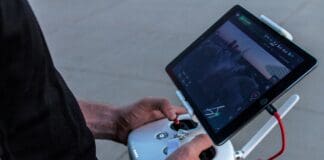
Stay Inside, Stay Safe: Vehicles Turn Into Drone Control Hubs
Operating drones on the battlefield often requires soldiers to expose themselves outside armored vehicles, even in high-risk environments. While drones provide critical situational awareness,...

Even Half-Blind, It Finds the Target: A New Kind of Sensing...
Robots designed to detect and track chemical sources, such as gas leaks, explosives, or hazardous materials, typically rely on multiple sensors working in perfect...
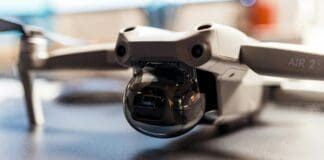
From Camera to Brain: Smarter Drone Vision Takes Flight
As drones take on a larger role in intelligence and surveillance missions, the demand for faster and more autonomous data processing is growing. Traditional...

Snap, Scan, Know: AI Identifies Military Gear in Seconds
Identifying military equipment quickly and accurately remains a challenge, particularly in fast-moving operational or training environments. Analysts and personnel often rely on manual comparison,...

Heartbeat Tracking: Innovation or Overreach?
Locating a person in open terrain, especially in a hostile environment with no continuous communication, remains one of the most complex challenges in search...

When Sensors Lie: How Heat Can Fool Autonomous Systems
Thermal cameras are widely used in drones and autonomous vehicles to detect obstacles in low-visibility conditions such as darkness, smoke or fog. By sensing...
Latest

What If Your Cloud Provider Couldn’t Read Your Files?
Collaborative documents have become a standard way for teams to work together, but they present a security problem that encrypted messaging largely solved years...