

This post is also available in:
 עברית (Hebrew)
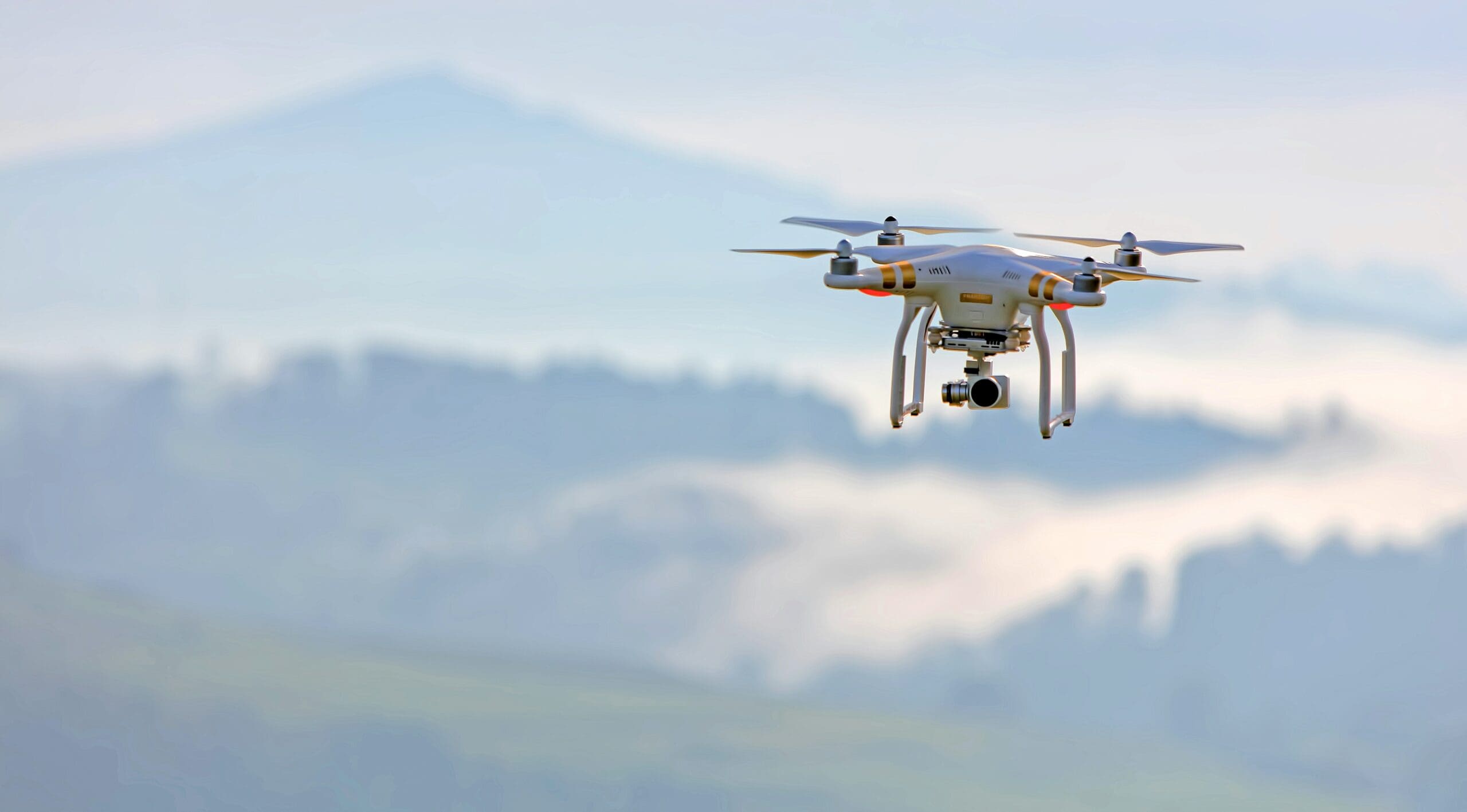
As drones move from niche tools to everyday infrastructure, a core challenge is becoming increasingly clear: current systems struggle to meet the endurance, autonomy, and reliability demanded by large-scale, real-world missions. Whether responding to natural disasters, delivering medical supplies, or monitoring wide areas of land, many drone operations remain limited by short flight times, manual control, and fragmented data processing.
Recent research points to a shift already underway. Advances in unmanned aerial systems are addressing these constraints by combining longer-lasting platforms with growing levels of onboard intelligence. Next-generation drones are being designed for extended range and longer duty cycles, allowing them to remain airborne for hours rather than minutes. Improved energy efficiency and more resilient airframes are making it possible to operate over dense cities, forests, and remote terrain without constant human intervention.
According to TechXplore, autonomy is a central part of this evolution. Progress in artificial intelligence and machine learning is enabling drones to plan routes, identify objects, and avoid obstacles in real time. Instead of relying on pre-programmed paths, these systems can adjust to changing conditions during flight. This is reinforced by more capable sensor suites, including LiDAR, multispectral cameras, and high-precision inertial measurement units, which allow drones to perceive their surroundings with greater accuracy. The result is more reliable mapping, surveying, and monitoring across sectors such as agriculture, environmental management, and disaster response.
Optimization techniques also play a growing role behind the scenes. Algorithms such as genetic optimization, swarm-based methods, and reinforcement learning are being used to calculate efficient flight paths, reduce energy consumption, and minimize mission delays. These methods help bridge the gap between theoretical models and practical deployment, supporting real-world use cases rather than laboratory demonstrations.
From a defense and homeland security perspective, these developments are highly relevant. Drones capable of long-duration autonomous flight are well-suited for border monitoring, search-and-rescue operations, infrastructure protection, and situational awareness during emergencies. As reliance on unmanned systems grows, so does the importance of secure communications, counter-drone measures, and resilience against cyber interference—areas that are increasingly central to national security planning.
Looking ahead, research suggests drone development will become more specialized. Platforms tailored for specific missions, improved battery technology, quieter operation, and tighter integration with 5G-enabled networks are expected to define the next phase. As drones take on more responsibility in critical civilian and security roles, balancing technological capability with regulation, safety, and environmental considerations will remain an ongoing challenge.
The research was published here.























