

This post is also available in:
 עברית (Hebrew)
As drones take on a larger role in intelligence and surveillance missions, the demand for faster and more autonomous data processing is growing. Traditional setups often rely on transmitting video feeds to remote operators or control centers, where analysis takes place. This creates delays and depends heavily on stable communication links—something that cannot always be guaranteed in operational environments.
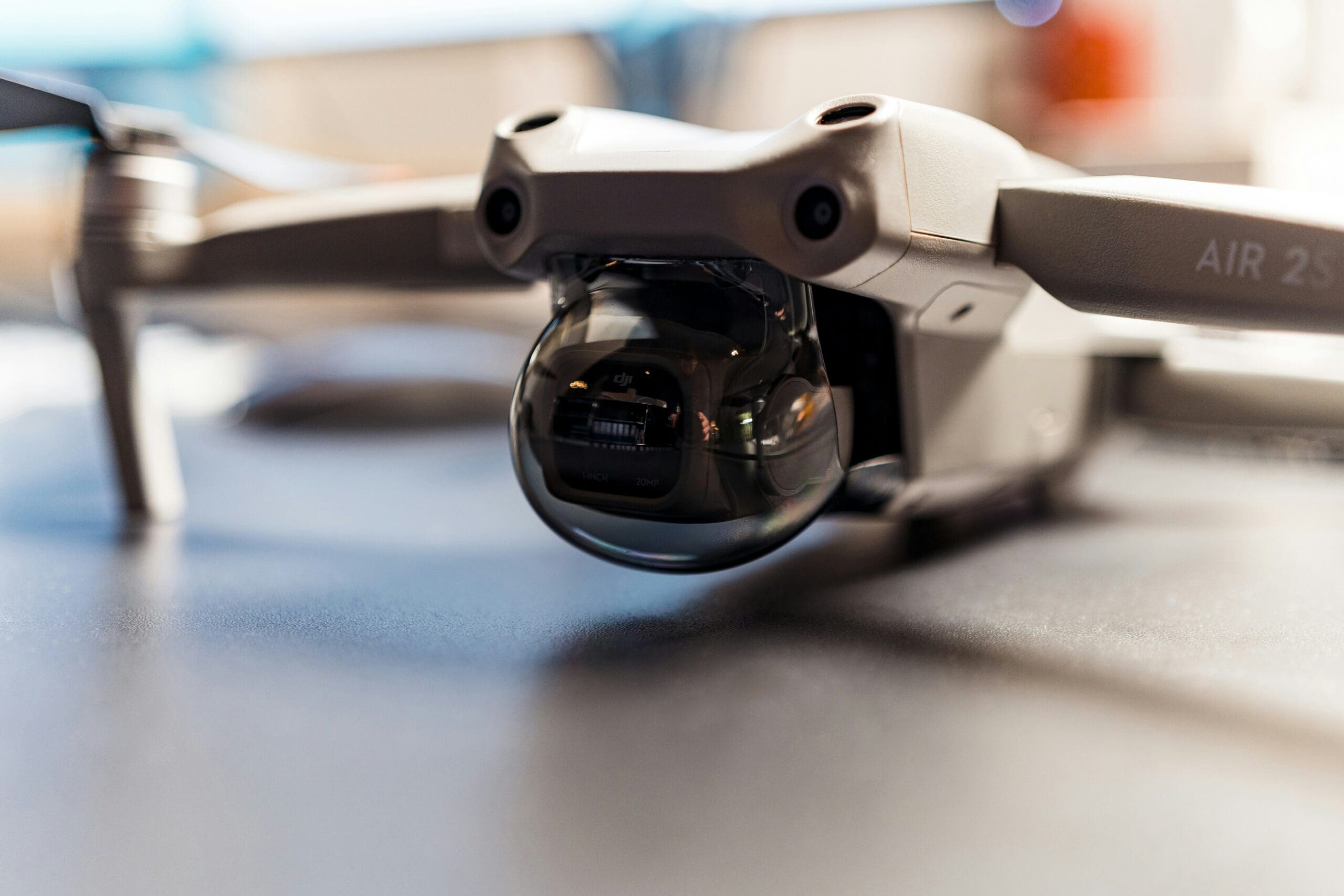
A new generation of drone payloads (by Maris-Tech) is aiming to address this limitation by moving processing closer to the source. A compact gimbal camera under development integrates high-resolution imaging, thermal sensing, and onboard artificial intelligence into a single unit. Instead of acting purely as a sensor, the system is designed to analyze visual data in real time while still airborne.
The platform combines a 4K daylight camera with a thermal imaging sensor, enabling operation across varying lighting and visibility conditions. More importantly, it includes edge processing capabilities, allowing AI algorithms to run directly on the device. This means that objects, movement, or anomalies can be detected and flagged instantly, without the need to send raw data back for analysis.
According to NextGenDefense, this shift reduces both latency and bandwidth requirements. By transmitting only relevant insights instead of continuous video streams, the system can operate more efficiently, particularly in bandwidth-constrained environments. It also allows drones to function more independently when communication links are degraded or unavailable.
The design places strong emphasis on size, weight, and power constraints, making it suitable for smaller unmanned aerial platforms. Integrating multiple capabilities into a single payload reduces the need for separate components, simplifying deployment and improving overall system efficiency.
From a defense perspective, this type of integrated sensor supports faster decision-making in intelligence, surveillance, and reconnaissance missions. Real-time onboard analysis can enhance situational awareness, especially in dynamic environments where delays in interpretation may impact outcomes. The ability to operate with reduced reliance on external infrastructure also improves resilience in contested scenarios.
As drone platforms continue to evolve, the trend is clearly moving toward tighter integration of sensing, processing, and analytics. Systems that combine these capabilities into compact, deployable payloads are likely to become standard across a wide range of operational applications.























