This post is also available in:
 עברית (Hebrew)
As combat aircraft take on longer missions and pilots rely more heavily on helmet-mounted sensors and displays, the physical burden on aircrew has become a growing concern. Modern fixed-wing pilots routinely endure high G-forces, extended flight times, and increasing cognitive load from advanced avionics. Traditional flight helmets, designed for earlier generations of aircraft, can contribute to neck strain, fatigue, and reduced performance over time.
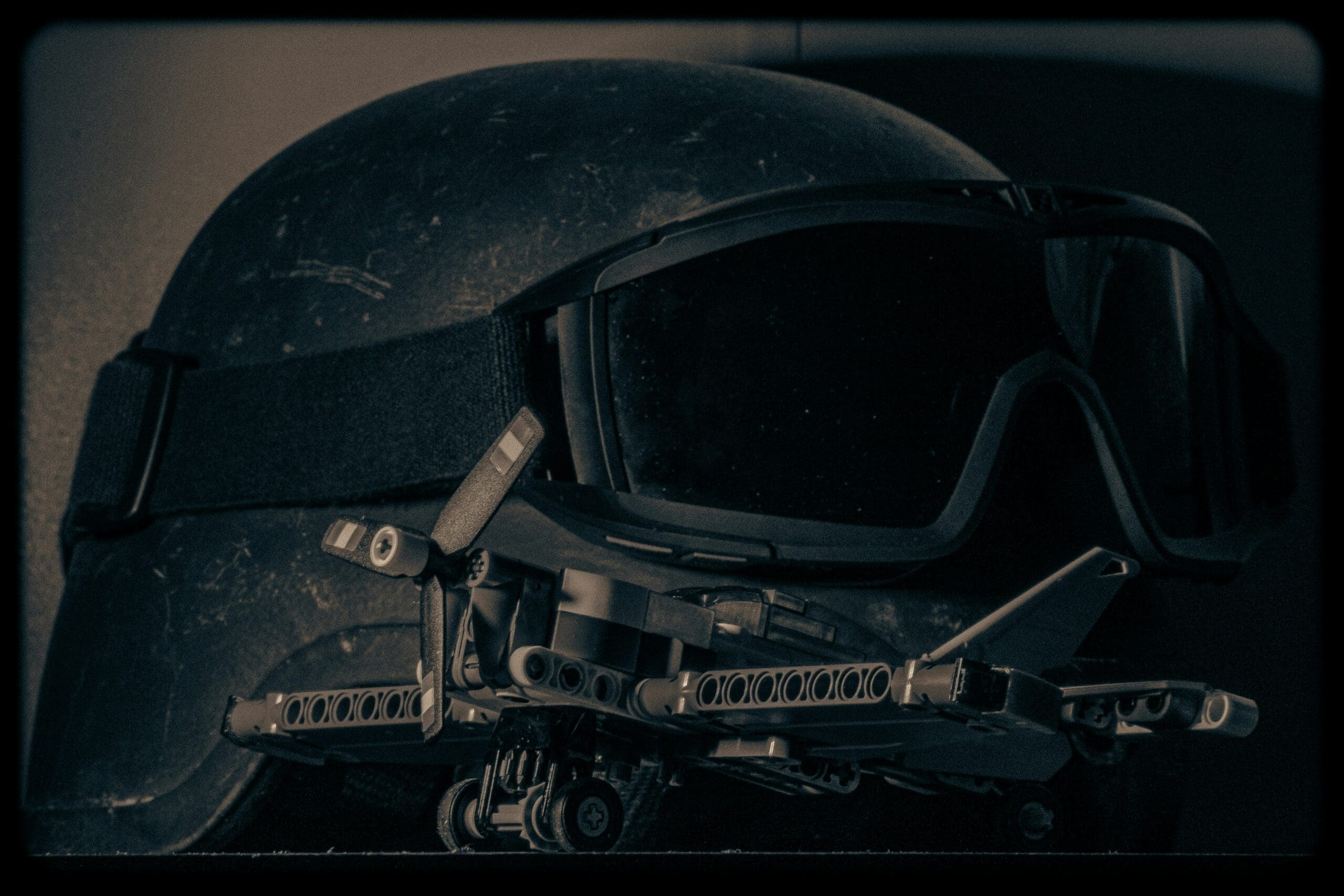
A new fixed-wing flight helmet (PURSUIT) is intended to address those challenges by rethinking how headborne protection supports both the pilot and onboard systems. The helmet has been selected as the next standard helmet for fixed-wing naval aviation, reflecting a shift toward lighter, more balanced designs that better accommodate modern mission profiles.
At the core of the system is a lightweight carbon shell engineered to reduce overall mass while maintaining protection. Just as important is how that weight is distributed. By optimizing the helmet’s center of gravity, the design lowers stress on the neck and spine, particularly during sustained high-G maneuvers and long sorties. This is increasingly critical as helmet-mounted displays become standard, adding mass and complexity to headgear.
According to NextGenDefense, thermal comfort was another design priority. The helmet incorporates a revised ventilation layout to improve airflow and limit heat buildup inside the shell. Sweat-absorbing and heat-resistant padding helps maintain comfort during long missions, reducing distraction and fatigue. The system is offered in multiple sizes to provide a closer fit out of the box, minimizing the need for extensive adjustments.
The helmet is built to support advanced helmet-mounted display technologies, ensuring compatibility with current and future visual systems used for targeting, situational awareness, and navigation. Meeting both naval and air force performance standards, the design is positioned for use across a range of fixed-wing platforms.
From a defense perspective, improvements in pilot equipment have a direct operational impact. Reducing physical strain and fatigue helps aircrew maintain focus and effectiveness throughout demanding missions. As aircraft sensors and weapons systems grow more integrated with pilot-mounted displays, the helmet becomes a critical interface between human and machine. Reliability, comfort, and balance are therefore as important as ballistic protection.
The helmet is being fielded under a multi-year modernization effort aimed at updating aircrew gear to match the realities of next-generation aerial combat. While often overshadowed by airframes and weapons, flight helmets play a central role in pilot performance. Incremental improvements in ergonomics and system integration can translate into meaningful gains in safety, endurance, and mission effectiveness.