This post is also available in:
 עברית (Hebrew)
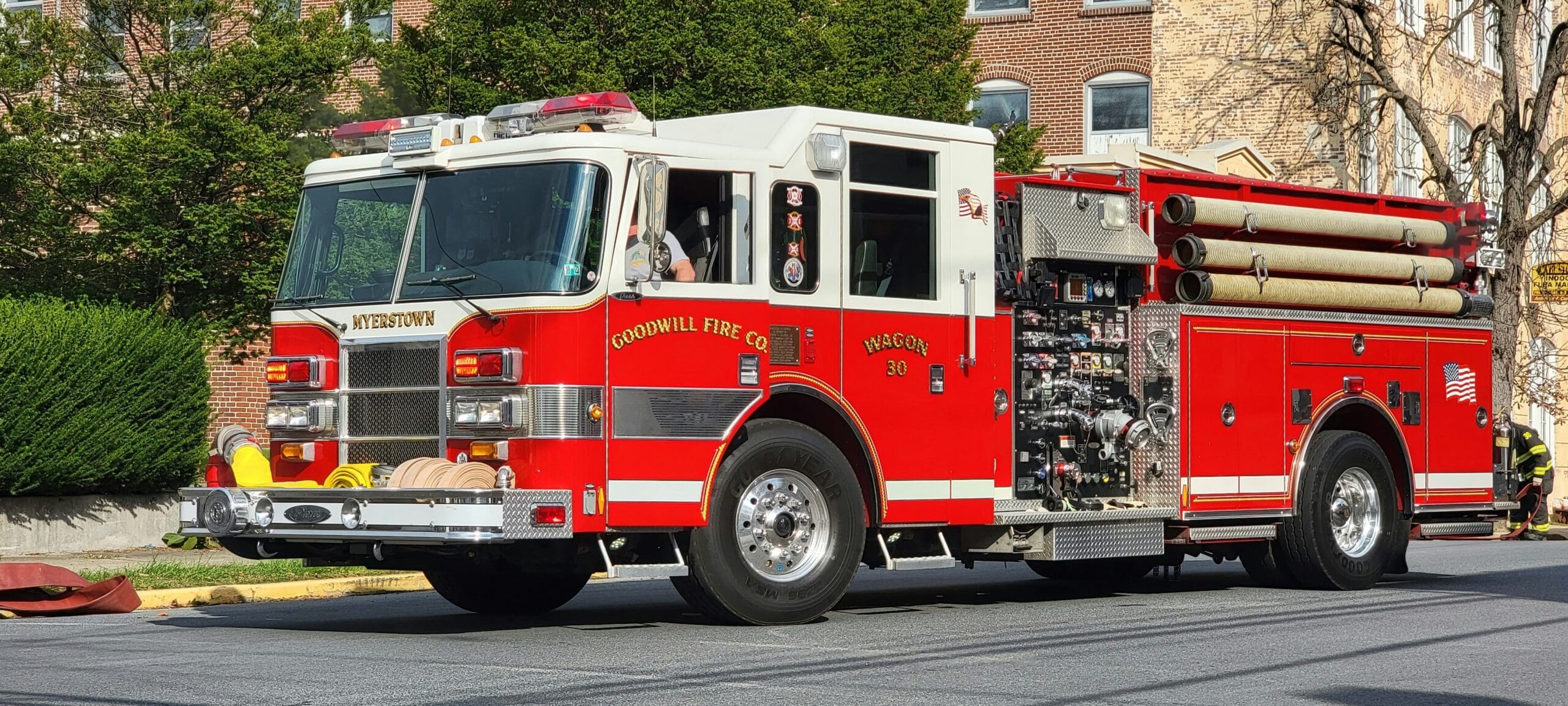
Firefighting in industrial sites, disaster zones, and remote environments often exposes crews to extreme heat, toxic smoke, and unstable structures. While remotely controlled unmanned ground vehicles (UGVs) have already reduced some of that risk, they still depend on human operators to guide every movement and coordinate multiple units. Managing several robots simultaneously can overwhelm operators, especially in fast-moving emergencies involving multiple ignition points.
A recent trial suggests a step toward greater autonomy. Researchers demonstrated a system in which AI-powered UGVs learned to navigate obstacles and cooperate to extinguish multiple simulated fires. The approach relies on multi-agent reinforcement learning (MARL), a technique that trains neural-network “agents” to operate both independently and as part of a coordinated team.
According to TechXplore, the training followed a structured curriculum. In the first stage, a single robot learned basic navigation. In the second, multiple robots practiced moving around obstacles without colliding. In the final phase, the system tackled a more complex scenario involving several fires and physical barriers, requiring robots to divide tasks and collaborate. During hybrid simulation and physical testing, one real UGV worked alongside simulated teammates, achieving a reported 99.67% success rate in navigating and extinguishing two fires.
A key feature of the system is its ability to self-organize. Rather than relying on a central controller assigning every action, the robots assess the environment through onboard sensors and allocate tasks among themselves. For example, if two fires break out in different locations, the team can split into smaller groups to address both simultaneously. This reduces the cognitive load on human supervisors and allows faster response times.
From a homeland security and defense perspective, such technology has implications beyond firefighting. Autonomous, cooperating ground robots could support operations in hazardous zones such as chemical spills, collapsed infrastructure, or contested urban environments. Swarm-based control also aligns with broader military interest in distributed unmanned systems that can operate with limited communication and minimal direct oversight.
While the recent demonstration focused on ground vehicles, the same learning framework could be applied to aerial or underwater platforms, or even mixed teams of different robotic types. As sensor integration and sim-to-real training techniques improve, collaborative autonomy may expand from controlled trials into real-world emergency and security operations.
The research was published here.