

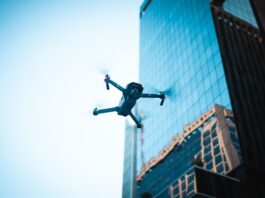

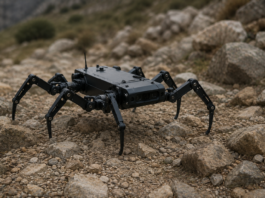

This Robot Hunts for Drones So Soldiers Don’t Have To
Detecting small drones often requires sensors to be positioned close enough to likely flight paths to pick up their signals. On a battlefield, however,...

INNOFENSE Call for Startups – Dual-Use Technologies
Following the immense success of the previous cycles and their integration into the defense sector, iHLS and the Ministry of Defense invite you to...

Tiny Thermal Sensors Could Give Military Drones Much Better Night Vision
Drones increasingly need to operate at night, through smoke and in other conditions where conventional cameras struggle. Thermal imaging can solve that problem by...

New Edge Computing Could Make Missile Warnings Faster From Space
Space-based sensors can generate enormous amounts of data while monitoring missile launches, spacecraft and other fast-moving threats. The challenge is getting useful information to...

The Next Big Artillery Upgrade Could Be Putting the Gun on...
Towed artillery remains an important source of battlefield firepower, but modern counter-battery sensors and drones have made staying in one firing position increasingly dangerous....

The Missing Piece for AI-Piloted Aircraft May Finally Be Here
Artificial intelligence is rapidly moving from assisting pilots to flying aircraft autonomously. While autonomous flight software has become increasingly capable of navigating, avoiding obstacles...
This Anti-Drone System Doesn’t Just Find the UAV – It Finds...
Small commercial drones are increasingly becoming a security problem for military forces and critical facilities. Detecting an unauthorized UAV is only part of the...
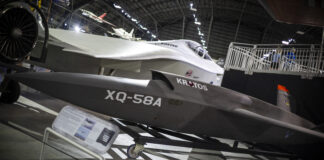
This Runway-Free Combat Drone Just Flew Alongside F-35s
Future air operations are expected to rely increasingly on uncrewed aircraft working alongside fighter jets, but making that concept practical requires more than simply...

This Cold-Proof Material Could Give Wearable Sensors a Winter Upgrade
Wearable sensors need to remain soft and conductive as the body moves, but cold weather presents a basic materials problem. Many flexible sensors use...
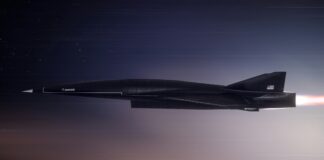
When GPS Goes Dark, Hypersonic Weapons Could Navigate by the Stars
Hypersonic vehicles create an unusually difficult navigation problem. Traveling at several times the speed of sound leaves little room for positioning errors, while satellite...
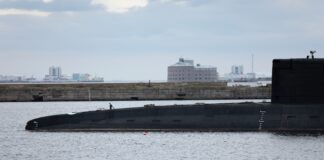
A New Underwater Robot Is Built to Hunt for Threats on...
Inspecting the underside of a ship is a difficult but important security task. Hulls can conceal structural damage, foreign objects or potentially dangerous devices...
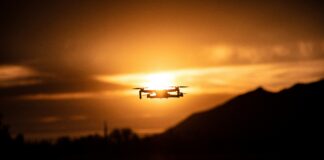
This Solar-Powered Drone Could Watch the Battlefield for Weeks
Persistent surveillance is one of the biggest challenges in modern military operations. Conventional drones are limited by battery capacity or fuel, requiring frequent landings...
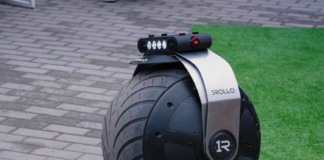
This One-Wheel Robot Could Replace Routine Security Patrols
Protecting large industrial sites, airports, campuses and critical infrastructure often requires continuous patrols over wide areas. Autonomous security robots are increasingly being used to...

New Drone System Finds Underwater Explosives Hidden for Decades
Unexploded bombs, naval mines, and artillery shells left behind by past conflicts remain a hazard in coastal waters around the world. Buried beneath sand...
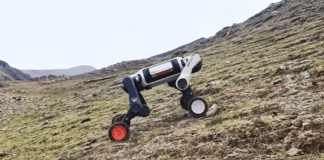
This Robot Dog Crosses Rivers, Climbs Mountains, and Keeps Going in...
Robots are increasingly being used for inspections, emergency response, and field operations in locations that are difficult or dangerous for people to reach. However,...

A Major Upgrade Is Coming to Military Night Vision
Night operations have become a standard part of modern military activity, but many frontline troops still rely on night vision technology designed more than...

The Technology Giving Security Forces More Time to Spot Drones
Small drones have become one of the most challenging threats facing security forces in recent years. Their compact size, low-altitude flight profiles, and minimal...

The Blind Spots Around Combat Vehicles May Soon Be Gone
Modern armored vehicles operate in increasingly complex environments where threats can emerge from any direction. Urban combat, drone attacks, poor weather, smoke, and nighttime...

This Backpack Laser Could Change How Troops Fight Drones
The rapid spread of small drones has created a new challenge for military forces. Quadcopters and other lightweight unmanned aircraft can conduct reconnaissance, direct...

This Radar Can Spot and Update Threats Every Second
Modern air-defense systems face an increasingly difficult task. Drones, cruise missiles, helicopters, rockets, and high-speed aircraft can all appear simultaneously, often operating at different...

A New Robot That is Small Enough to Carry, Smart Enough...
Explosive ordnance disposal teams, special operations units, and emergency responders often face a difficult dilemma: gaining information about a potentially dangerous area without exposing...
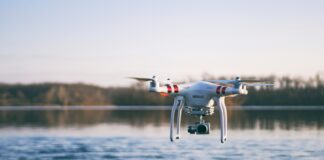
This AI-Powered Drone Software Can Track Targets 43 Kilometers Away Without...
Modern drone operations increasingly face a common challenge: GPS cannot always be trusted. Electronic warfare systems, signal interference, and environmental factors can degrade navigation...
Latest

What If Your Cloud Provider Couldn’t Read Your Files?
Collaborative documents have become a standard way for teams to work together, but they present a security problem that encrypted messaging largely solved years...