

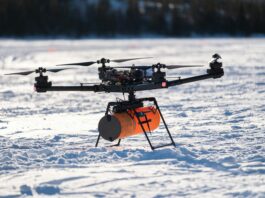


A Robot That Lifts 100x Its Weight – Without Motors
Robots are often limited by the very components that power them. Traditional electric motors provide strength and precision, but they also add weight, rigidity,...
Meet the Palm-Sized Drone Built for Zero-Visibility Missions
Small drones are increasingly used in environments where visibility is limited, such as collapsed buildings, smoke-filled structures, and dense vegetation, but most navigation systems...

Even Half-Blind, It Finds the Target: A New Kind of Sensing...
Robots designed to detect and track chemical sources, such as gas leaks, explosives, or hazardous materials, typically rely on multiple sensors working in perfect...

These Off-Road Vehicles Now Drive Themselves Into Danger Zones
Ground forces continue to face a familiar challenge: how to move supplies, gather intelligence, and evacuate casualties without exposing personnel to unnecessary risk. In...

Heartbeat Tracking: Innovation or Overreach?
Locating a person in open terrain, especially in a hostile environment with no continuous communication, remains one of the most complex challenges in search...
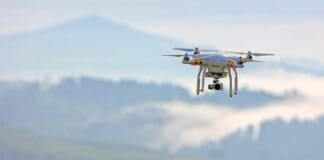
The Drone Revolution is Upon Us
As drones move from niche tools to everyday infrastructure, a core challenge is becoming increasingly clear: current systems struggle to meet the endurance, autonomy,...

How a Sea Creature Is Teaching Robots to “Just Keep Swimming”
Autonomous robots still struggle with a basic problem that animals solve effortlessly: how to keep moving when conditions suddenly change. Uneven terrain, loss of...

Can Virtual Reality Improve Real-World Split-Second Decisions?
Police officers routinely operate in situations where rapid decisions carry serious consequences. Under acute stress, heart rate typically rises while heart rate variability declines...

Repairable Infrared Optics Could Cut Costs for Security Systems
Thermal imaging cameras are increasingly used in security, industrial inspection, automotive safety and emergency response. Yet one component has remained a persistent cost driver:...
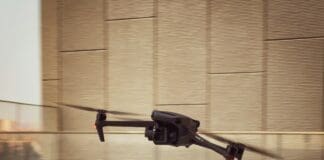
Remote-Controlled From Afar: A New Era of Policing by Drone
Policing vast rural territories presents a persistent challenge. In regional areas, specialist air support is often based hundreds of miles away, limiting rapid aerial...

Bees Don’t Need GPS, So Is It Possible That Robots Might...
One of the biggest obstacles to deploying very small autonomous robots is navigation. As machines shrink, the hardware required to determine position and direction...

A New Kind of Drone Built for Waterborne Activities
Filming on water has long posed a challenge for aerial cameras. Conventional drones struggle with spray, wind, and the simple problem of takeoff and...

When Firefighting Robots Start Thinking as a Team
Firefighting in industrial sites, disaster zones, and remote environments often exposes crews to extreme heat, toxic smoke, and unstable structures. While remotely controlled unmanned...
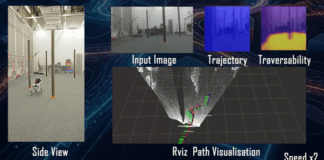
The AI That Lets Robots Navigate Using Just One Look
Robots are getting better at sensing their surroundings, but moving safely through unfamiliar spaces remains a bottleneck. Most autonomous systems still depend on building...

Could Cyborg Pigeons Be the Next Surveillance Tool?
Small drones have become a common tool for surveillance, inspection, and reconnaissance, but they come with limits. Battery life restricts endurance, electric motors generate...

The Quantum Trick That Lets Autonomous Systems Coordinate Without Sending Signals
Modern autonomous systems depend heavily on continuous communication. Drone swarms, robotic teams, and distributed AI agents typically exchange data wirelessly to coordinate movement, share...

This Spray Seals Open Wounds Almost Instantly
Severe bleeding remains one of the leading causes of preventable death in trauma situations. On the battlefield, at accident scenes, or during natural disasters,...
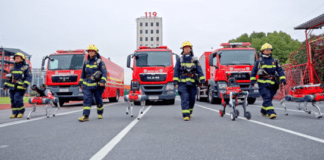
The Rise of Robot Responders in Dangerous Disaster Zones
Firefighting and disaster response increasingly place human crews in environments that are unstable, toxic, or simply unreachable. Collapsed structures, chemical leaks, tunnel fires, and...

Preparing for Unmanned Aerial Threats at the 2026 World Cup: A...
Written by Or Shalom
The 2026 FIFA World Cup, set to be jointly hosted by the United States, Mexico and Canada, is not merely another...
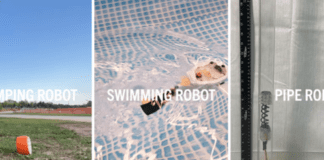
One Simple Physics Trick Powers These Shape-Shifting Robots
Robots are often limited by how they move. Wheels struggle with obstacles, legs require complex joints and control, and propellers add weight and energy...
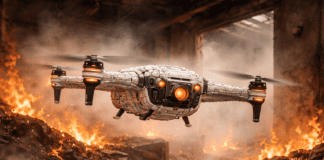
How Fireproof Drones Could Transform Crisis Response
Entering a burning structure remains one of the most dangerous tasks for emergency responders. Extreme heat, toxic smoke, and unstable interiors often prevent crews...

From Tight Spaces to Open Water: A New Kind of Humanoid
Humanoid robots are often promoted as versatile helpers, but in real-world conditions they remain constrained by rigid frames and limited mobility. Tight spaces, uneven...
Latest
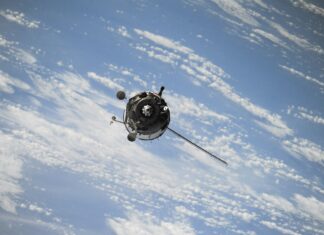
Laser Sensing Tech Could Move From Ground Mapping to Space Surveillance
Stealth aircraft are designed primarily to make radar detection more difficult, creating an ongoing challenge for the sensors responsible for finding and tracking them....