This post is also available in:
 עברית (Hebrew)
A fighter pilot does not need to see a threat for it to be dangerous. Radar and other electromagnetic emissions can reveal that an air-defense system is searching, tracking or preparing to engage an aircraft long before a missile appears. In contested airspace, recognizing those signals quickly can provide valuable time to respond.
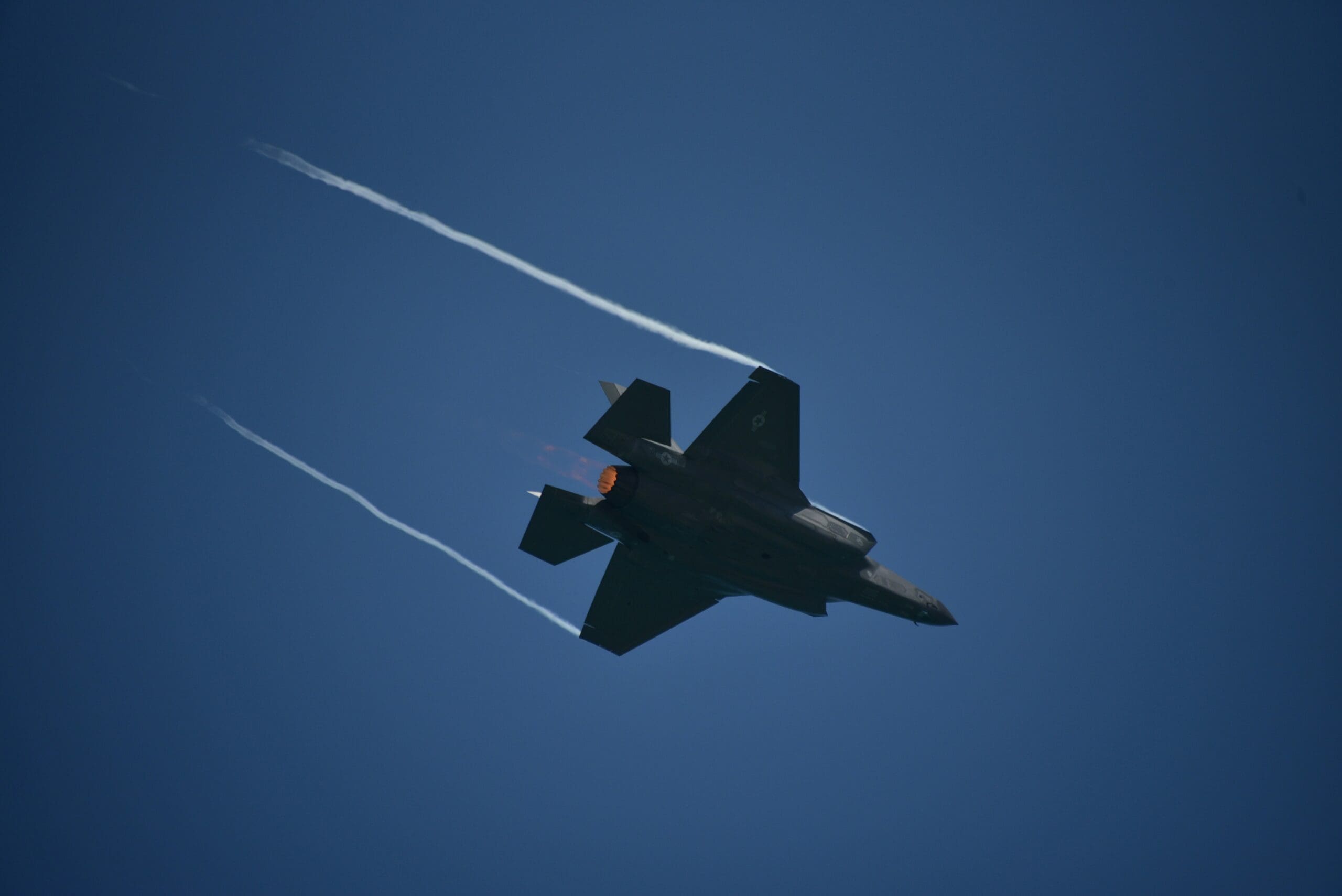
More F-35 Lightning II fighters are set to receive the AN/ASQ-239 electronic warfare suite, a system designed to give the aircraft a 360-degree view of activity across the electromagnetic spectrum.
BAE Systems will provide the technology for three upcoming F-35 production batches, Lots 20 through 22, as well as equipment for upgrading older aircraft already in service.
The system works partly by listening rather than transmitting. Passive sensors monitor electromagnetic activity across a broad range of frequencies, allowing the aircraft to detect and analyze emissions without constantly broadcasting signals of its own.
According to Interesting Engineering, that information can help identify potential threats at long range. Advanced algorithms and rapid signal processing separate relevant emissions from the large amount of electromagnetic activity surrounding an aircraft, giving the pilot more time to determine what is happening.
Detection is only one part of the system’s role. The suite also provides electronic countermeasures that can help the aircraft evade threats or interfere with hostile sensors when required.
The challenge is that electronic threats do not remain static. Radar systems can change their operating behavior, while entirely new emitters may appear during an aircraft’s service life.
For that reason, software plays a central role in the architecture. Software updates can introduce new capabilities and responses without requiring the complete electronic-warfare system to be replaced every time the threat environment changes.
Hardware is evolving as well. The company’s Digital Channelized Receiver Techniques Generator and Tuner Insertion Program is intended to improve capability while reducing the electronic-warfare suite’s size and power requirements. Lower demands on space and electricity can leave additional capacity for future upgrades.
The new order also includes modernization equipment for earlier versions, allowing aircraft already operating to receive newer EW capabilities rather than limiting improvements to newly manufactured fighters.
Production itself is being expanded through automation, updated manufacturing methods and investments in facilities.
For a stealth aircraft, electronic warfare provides another layer of survivability beyond reducing radar visibility. The objective is not simply to be harder to detect, but to understand who is searching for the aircraft, from where and with what type of system.
In that environment, the suite effectively gives the fighter another set of eyes, except these are watching the part of the battlefield humans cannot see.