
This post is also available in:
 עברית (Hebrew)
Monitoring vast stretches of ocean is a demanding task for maritime security forces. Patrol boats and crewed aircraft can investigate suspicious activity, but covering thousands of kilometers of coastline and offshore waters requires significant resources. Smuggling vessels, illegal fishing operations and other potential threats may move through remote areas long before authorities can reach them.
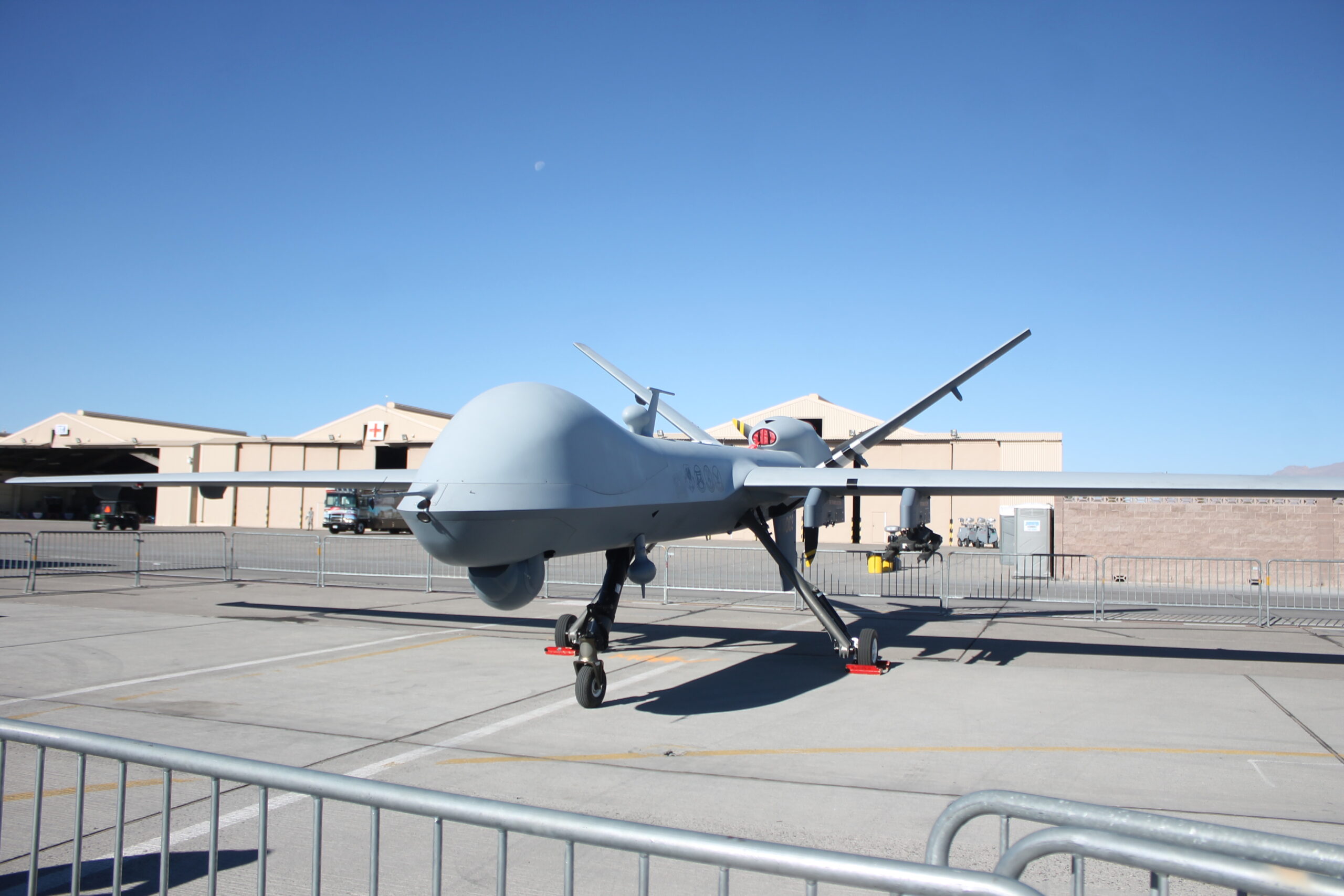
The U.S. Coast Guard is expanding its surveillance capabilities with four MQ-9B long-range unmanned aircraft, acquired under a $247.8 million contract.
Developed by General Atomics Aeronautical Systems, the UAV is designed to remain airborne for more than 30 hours, providing extended coverage without requiring a pilot onboard.
The aircraft has a wingspan of approximately 24 meters and uses satellite communications to operate beyond the range of direct radio links. It is also designed to integrate into civilian airspace, supporting missions across both coastal and offshore environments.
Its maritime configuration, known as SeaGuardian, can carry several specialized surveillance systems.
According to Interesting Engineering, these include a wide-area maritime radar for detecting activity across large sections of ocean, an Automatic Identification System (AIS) for receiving vessel identification information, and electronic support measures for monitoring electromagnetic emissions.
An optional anti-submarine warfare mission kit further expands the aircraft’s capabilities, allowing it to support operations involving threats beneath the water’s surface.
Together, these sensors can provide operators with information about maritime activity over extended periods, helping them identify suspicious vessels and direct other assets toward areas requiring closer investigation.
The Coast Guard intends to use the new aircraft for maritime border security, drug interdiction, search and rescue, critical infrastructure protection and combating illegal fishing.
The service has already gained operational experience with an earlier aircraft, the MQ-9A, during counter-drug missions. According to the Coast Guard, those operations contributed to the seizure of approximately 27,500 kilograms of illegal drugs in 2026, valued at around $306 million, and the apprehension of approximately 20 smugglers.
The new aircraft are intended to expand that surveillance capability.
For homeland security, long-endurance drones offer an important advantage: they can monitor remote maritime areas while crewed ships and aircraft remain available to respond when suspicious activity is detected.
The ability to collect and share intelligence over long distances could also improve coordination between surveillance teams and vessels conducting interceptions or rescue missions.
The Coast Guard has not yet announced when the four aircraft will be delivered or enter operational service.
Once deployed, the UAVs could provide an additional layer of persistent surveillance across waterways and offshore areas, helping authorities detect potential threats earlier rather than relying solely on patrols encountering them at sea.