This post is also available in:
 עברית (Hebrew)
Air-defense systems depend on detecting a threat early enough to identify it, track it and decide how to respond. Ground-based radars and other sensors provide much of that warning, but their coverage is constrained by factors including geography and sensor location. Adding observations from orbit could provide another source of information before an airborne threat reaches defended airspace.
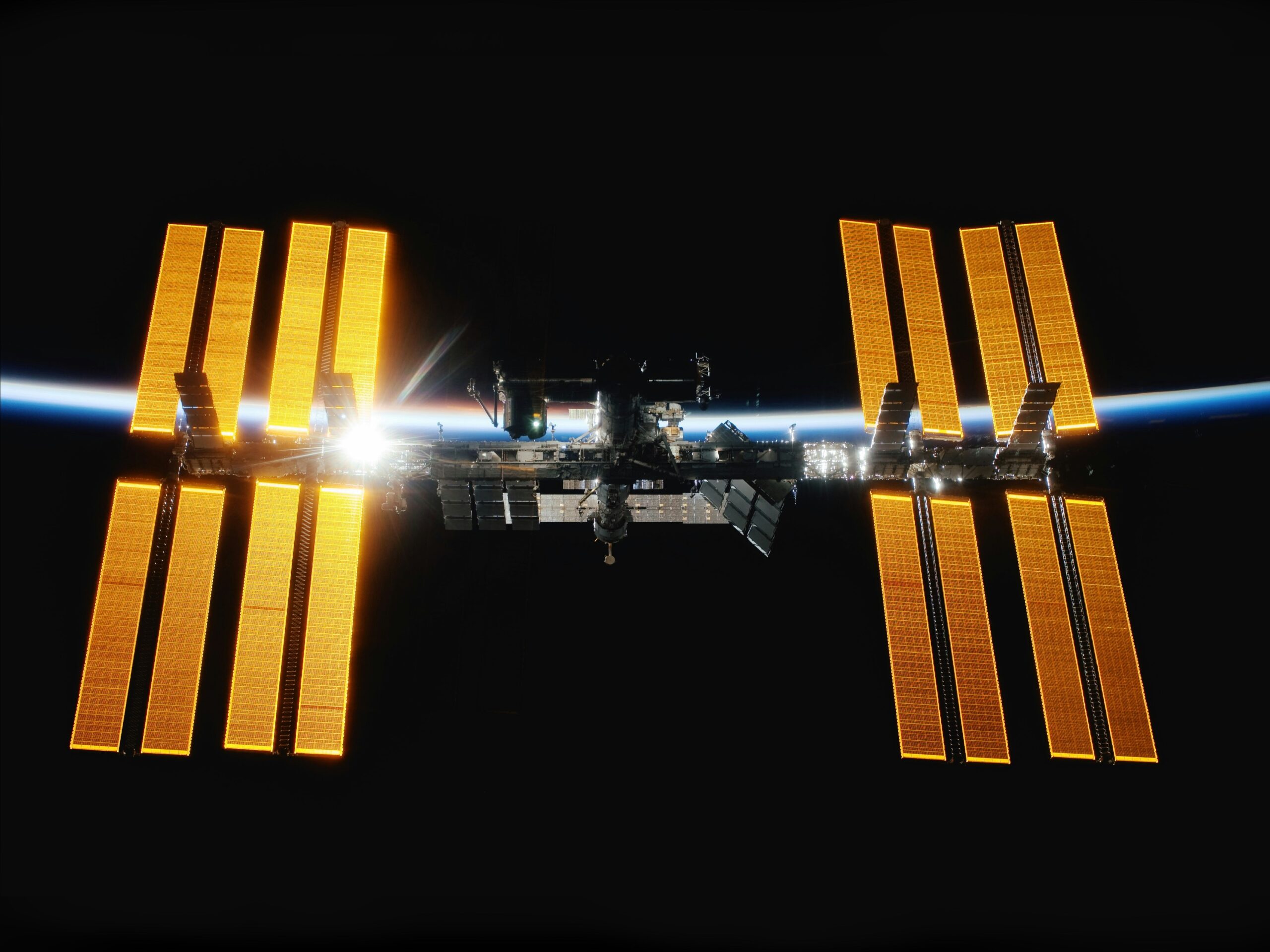
Rheinmetall has launched its first jointly developed surveillance satellite, beginning an effort to add a space-based sensing layer to existing military air-defense networks.
Developed with Italian space company Argotec, the satellite entered orbit on October 1st, 2026, aboard a SpaceX Falcon 9.
Rather than functioning primarily as a conventional Earth-imaging spacecraft, the system is intended to collect information specifically relevant to air-defense operations. Its sensors are designed to identify ground-based indicators associated with emerging airborne threats and provide imagery and situational data that could contribute to earlier warning.
The concept does not treat the satellite as a standalone surveillance platform.
According to Interesting Engineering, information collected from orbit is intended to be processed with AI support before being integrated into existing national defense and air-defense architectures. The company envisions connecting the orbital sensing layer with ground-based nodes and tactical networks through a command-and-control post.
That means information detected by a satellite could become another input within the same wider network used by other military sensors and systems.
The October launch is the first stage rather than a completed operational constellation. The initial spacecraft will be used to validate the system’s sensing, data-processing and integration capabilities under real orbital conditions.
If those tests are successful and subsequent development proceeds, additional satellites could expand the amount and frequency of coverage.
A second launch is already planned for 2028, although the companies have not disclosed how many spacecraft could eventually make up the complete constellation or when it might become fully operational.
The modular approach allows the orbital component and supporting infrastructure to expand over time rather than requiring the entire network to be deployed at once.
For air defense, the value of such a constellation would lie in adding another vantage point to an increasingly connected sensor network. Radar, ground sensors and tactical systems each observe part of the operational environment; satellites could contribute information from above and feed it into the same command structure.
The first spacecraft now has to prove that concept in orbit.
If the architecture performs as intended, future air-defense networks may increasingly begin much farther from the interceptor or radar battery itself, with a satellite looking down from space, identifying signs of an emerging threat and passing that information into the defensive network below.