





INNOFENSE Call for Startups – Dual-Use Technologies
Following the immense success of the previous cycles and their integration into the defense sector, iHLS and the Ministry of Defense invite you to...
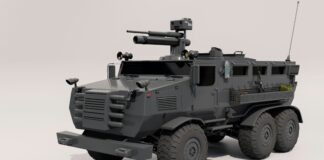
This Autonomous Hybrid Vehicle Could Take Soldiers Out of Supply Missions
Keeping frontline forces supplied is one of the most dangerous tasks on the battlefield. Delivering ammunition, food, fuel and medical equipment often requires convoys...

Militaries’ Next Big Upgrade Could Be a Smarter Power Grid
Modern military units are becoming increasingly dependent on electricity. Drones need regular charging, electronic warfare equipment can draw substantial power, and edge-computing systems must...

The Next Big Artillery Upgrade Could Be Putting the Gun on...
Towed artillery remains an important source of battlefield firepower, but modern counter-battery sensors and drones have made staying in one firing position increasingly dangerous....
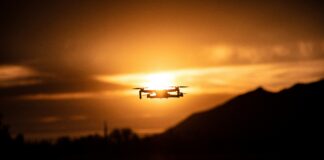
This Solar-Powered Drone Could Watch the Battlefield for Weeks
Persistent surveillance is one of the biggest challenges in modern military operations. Conventional drones are limited by battery capacity or fuel, requiring frequent landings...

Four Times More Processing Power—Without a Bigger Drone
Small military drones are taking on increasingly complex missions, from reconnaissance and target tracking to autonomous navigation and coordinated swarm operations. Yet many of...

Fiber-Optic Cables Could Become the Next Generation of Navigation
GPS has become the backbone of modern navigation, powering everything from smartphones and connected vehicles to emergency services and autonomous systems. But satellite signals...

This Fanless Supercomputer Is Built for the Harshest Military Environments
Modern military platforms are processing more data than ever before. Sensors, cameras, AI applications, electronic warfare systems, and autonomous platforms all generate large volumes...

Could Quantum Computing Stop the Next Power Grid Attack?
Modern electric grids are increasingly exposed to disruptions that can occur simultaneously. Cyberattacks, equipment failures, extreme weather, wildfires and physical attacks can each affect...
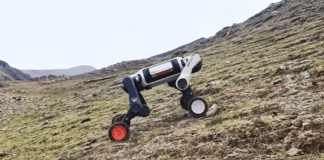
This Robot Dog Crosses Rivers, Climbs Mountains, and Keeps Going in...
Robots are increasingly being used for inspections, emergency response, and field operations in locations that are difficult or dangerous for people to reach. However,...

This Weapon Doesn’t Explode – It Shuts Down Electronics
Modern militaries rely heavily on satellites and sophisticated electronic systems for communications, navigation, intelligence gathering and precision targeting. Rather than destroying these assets with...
New Micro-Drones Can Launch, Land, Recharge, and Relaunch Without Human Help
One of the biggest challenges facing modern military reconnaissance is persistence. Small drones provide valuable situational awareness, but they are limited by battery life,...

Autonomous Ground Vehicles Are Heading to the Front Lines
Keeping frontline units supplied has always been one of the most dangerous tasks in military operations. Vehicles carrying ammunition, equipment, and spare parts often...
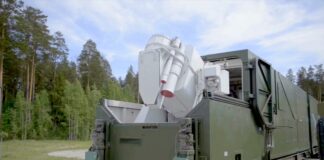
This Upgrade Could Eliminate One of Laser Weapons’ Biggest Weaknesses
High-energy laser weapons are steadily moving from development programs into operational military service, but maintaining them in the field remains a significant challenge. One...
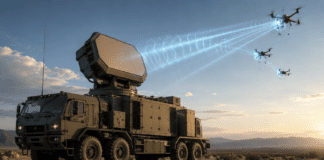
This Directed-Energy Weapon Stops Drones Without Ammo
Drone swarms are posing an increasing challenge to air-defense systems. Small, unmanned aircraft can be launched in large numbers, attack from multiple directions, and...

Meet the Worm-Inspired Robot Built for Places Wheels Can’t Reach
Traditional robots are typically built around rigid frames, motors, gears, and joints. While this design works well in structured environments, it becomes less effective...
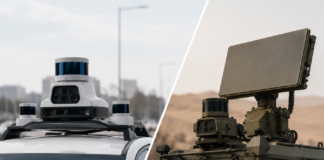
From Autonomous Vehicles to the Battlefield: Sensors in Search of a...
The autonomous vehicle industry has advanced more slowly than many sensor companies anticipated when they built their business strategies over the past decade. As...

This Backpack Laser Could Change How Troops Fight Drones
The rapid spread of small drones has created a new challenge for military forces. Quadcopters and other lightweight unmanned aircraft can conduct reconnaissance, direct...

Forget Drones—These Robot Snakes Inspect Power Lines From the Inside Track
Maintaining large electrical grids is a difficult and often dangerous task. Power lines stretch across vast distances, pass through hard-to-reach terrain, and require regular...

How Far Can a Sniper Rifle Really Reach? New Claims Spark...
Extreme long-range shooting pushes multiple technologies to their limits. At distances measured in kilometers rather than meters, even small variations in ammunition, optics, wind...
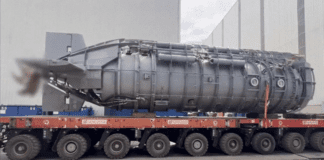
A New Robot Submarine Built for Stealth Strike Missions
As unmanned systems expand across air and land domains, underwater autonomy is becoming an increasingly important area of military development. Traditional submarines remain highly...

Drone vs. Drone: A New Layer of Battlefield Protection
The drone threat continues to evolve at a rapid pace. Explosive drones and loitering munitions have become some of the most significant threats facing...
Latest

What If Your Cloud Provider Couldn’t Read Your Files?
Collaborative documents have become a standard way for teams to work together, but they present a security problem that encrypted messaging largely solved years...