





This Pea-Sized Pump Could Be the Missing Piece for Soft Robots
Soft robots are often praised for their flexibility, safety, and ability to interact with delicate environments. But many of these systems still depend on...

Instead of Shooting Drones Down, This Laser Blinds Them
Small unmanned aerial systems have become an increasingly common challenge for naval forces. Surveillance drones can track ship movements, collect targeting information, and operate...
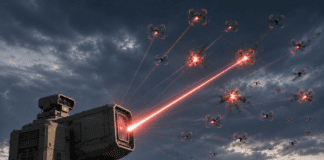
The Next Step in Drone Defense: 30 Targets Per Minute
The growing use of drones on the battlefield is creating a new challenge for air defense systems. Small, low-cost drones can operate individually or...
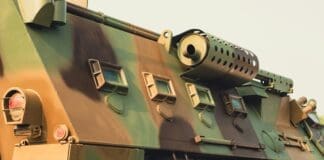
The Battlefield Vehicle of the Future May Drive Itself
Modern military ground operations are increasingly moving toward autonomous systems capable of operating in contested environments with reduced risk to personnel. However, developing military...

AI and Lasers Team Up Against Swarms of Drones
The growing use of inexpensive drones has created a major challenge for air defense systems. Small reconnaissance UAVs and FPV strike drones can be...
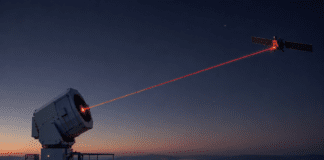
Optical AI May Be the Key to Faster, Lower-Power Communications
Modern communication networks are under increasing pressure. Cloud computing, streaming services, connected devices, and real-time applications continue to drive massive growth in data traffic,...
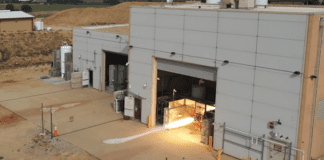
Reusable Rocket Engine Hits Hypersonic Milestone
Hypersonic systems promise significant advantages in speed and responsiveness, but their development has been slowed by a persistent challenge: most propulsion technologies are designed...
A New Layer in Drone Warfare: Launching Strikes From the Sky
Small FPV drones have become a central tool on the modern battlefield, offering precision strike capabilities at relatively low cost. However, their effectiveness is...

Speed Meets Firepower: The Next-Gen Battlefield Robot
Modern military operations are increasingly defined by speed, flexibility, and reduced risk to personnel. At the same time, forces operating in complex environments, such...

Breaking the Limits of Subsea Endurance
Underwater missions are often constrained by endurance. Most autonomous underwater vehicles rely on batteries, which limit how long they can remain submerged before needing...

A Robot That Climbs Walls to Do Dangerous Jobs
Industrial environments such as chemical facilities, refineries, and large storage sites often involve hazardous conditions that put human workers at risk. Tasks like welding,...
A New Kind of Stealth: Using Radar Energy Instead of Batteries
Modern military and civilian systems face a growing power and connectivity problem. Sensors, communications, and autonomous platforms all demand more energy, yet batteries add...

Say Goodbye to Congestion: A New Kind of Wireless
Wireless networks are under growing pressure as more devices compete for bandwidth indoors. Offices, homes, and public spaces are increasingly crowded with Wi-Fi and...

The Hidden Potential Behind Space-Based Solar Power
As demand for clean and continuous energy grows, space-based solar power has emerged as a long-term solution. By collecting sunlight in orbit, where it...

This Hidden Electric Push Could Power the Next Generation of Robotics
Electric motors power everything from household appliances to industrial systems. Most rely on magnetic fields generated by electric current to create rotation. While electrostatic...
Powering Drones From the Ground—While They Fly
Drone operations are often limited by one key factor: endurance. Even advanced platforms must return to base for recharging or battery replacement, creating gaps...
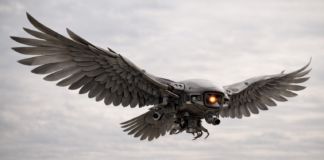
Rethinking Flight: Drones Swap Propellers for Flapping Wings
Conventional drones rely on spinning propellers to generate lift and maneuver in the air. While effective, this approach has limitations, especially in tight, cluttered,...
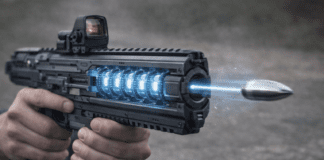
No Flash, No Bang: A New Kind of Handheld Weapon
Conventional firearms rely on chemical propellants, which bring a set of well-known limitations: noise, visible signatures, and fixed levels of force. In certain scenarios,...
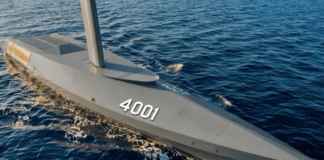
A 14,000-KM Drone Built for Undersea Surveillance
Tracking submarines across vast ocean areas is one of the most resource-intensive missions in naval operations. Traditional platforms, such as crewed ships and aircraft,...

What If Fuel Didn’t Need to Be Transported Anymore?
Fuel supply remains one of the most vulnerable aspects of modern military operations. Moving fuel across long distances requires convoys, infrastructure, and protection, creating...

The Race for Mach 6 Just Got a New Contender
Pushing aircraft and missiles beyond Mach 5 remains one of the most complex challenges in aerospace engineering. Current solutions typically rely on combining multiple...

When Every Second Counts: A New Edge for Battlefield Decisions
Modern combat platforms are generating more data than ever before, but turning that information into actionable decisions remains a challenge. Sensors, radios, and surveillance...
Latest

What If Your Cloud Provider Couldn’t Read Your Files?
Collaborative documents have become a standard way for teams to work together, but they present a security problem that encrypted messaging largely solved years...