
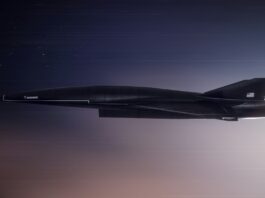
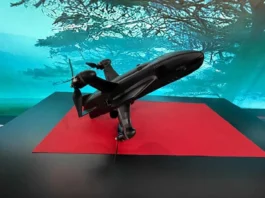

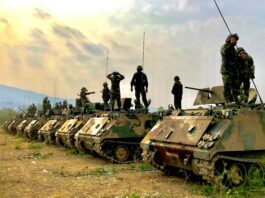

INNOFENSE Innovation Center by iHLS – Startups Gathered for Another Insightful...
Last week in Tel Aviv, a workshop was held as part of the INNOFENSE program, the innovation center operated by iHLS in collaboration with...
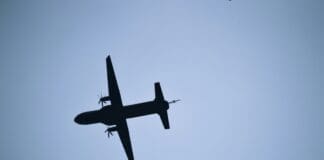
This Strike Drone Is Built to Fly Through GPS Jamming
Modern drone warfare increasingly depends on systems that can operate in heavily contested electronic environments. One of the biggest challenges facing long-range unmanned platforms...

The Military Is Preparing for a World Without Reliable GPS
Modern military operations depend heavily on satellite navigation. From troop movements and logistics to targeting and timing synchronization, GPS-based positioning systems are deeply embedded...
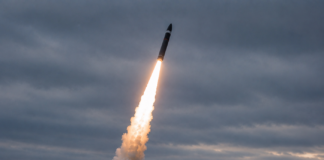
A New Upgrade Will Track Every Move of This Strategic Missile
Long-range ballistic missiles are among the most complex systems in military service, and maintaining their reliability depends heavily on continuous testing and verification. For...
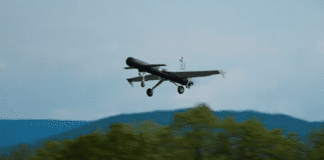
This Kamikaze Drone Can Strike Targets Almost 1,000 KMs Away
Long-range strike capabilities often face a trade-off between endurance, precision, and survivability. Systems that can reach distant targets may depend heavily on satellite navigation,...

Tracking the Untrackable: New Radar Takes on Hypersonic Missiles
Detecting hypersonic missiles remains one of the most difficult challenges in modern air defense. Traveling at speeds above Mach 5, these weapons generate extreme...

When Your Phone’s Location Data Becomes Evidence
Smartphones constantly generate location data, enabling navigation, ride-sharing, and a wide range of digital services. But that same data is now at the center...
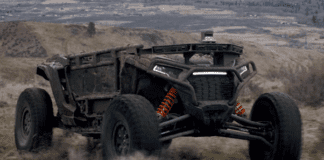
This Robot Sees Threats on the Ground — and Now in...
Unmanned ground vehicles are increasingly used to reduce risk to personnel in complex environments, but they face a persistent weakness: exposure to small, hard-to-detect...

No Pilot, No Problem: The Rise of “Loyal Wingman” Drones
As air forces adapt to more contested environments, there is growing demand for platforms that can operate alongside manned aircraft while reducing risk to...

Real-Time Tracking Replaces Manual Reports on the Battlefield
Tracking personnel in large, dynamic environments has long relied on manual updates, spreadsheets, and fragmented reporting systems. In fast-moving operations, these methods can lag...

The Hidden Potential Behind Space-Based Solar Power
As demand for clean and continuous energy grows, space-based solar power has emerged as a long-term solution. By collecting sunlight in orbit, where it...
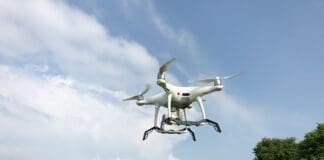
Powering Drones From the Ground—While They Fly
Drone operations are often limited by one key factor: endurance. Even advanced platforms must return to base for recharging or battery replacement, creating gaps...

When GPS Fails, This System Keeps Everything Running
Modern military systems rely heavily on satellite navigation and timing, but these signals are increasingly vulnerable. In contested environments, electronic warfare can disrupt or...
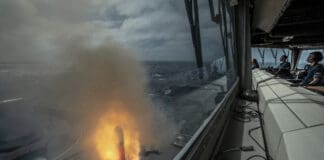
A Cruise Missile Fired From the Ground — and Retargeted Mid-Flight
Modern military operations increasingly rely on long-range precision fires, but many of these capabilities have traditionally depended on ships or aircraft. In heavily contested...

A New Crystal Could Make GPS Jamming Irrelevant
Navigation systems today depend heavily on satellite signals, but those signals are not always reliable. GPS can be jammed or spoofed, and in certain...

Milipol TechX Summit 2026 – Operational Intelligence, Artificial Intelligence, Autonomy and...
Written by Or Shalom
The Milipol TechX Summit (MTX) 2026, which opened on April 28th, 2026, at the Sands Expo Convention Center in Singapore, marks...
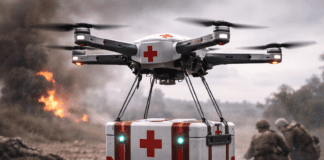
When Drones Become Lifesavers, Not Weapons
Providing advanced medical care in remote or high-risk environments remains a major challenge. On the battlefield, the time between injury and treatment is often...

Meet the Palm-Sized Drone Built for Zero-Visibility Missions
Small drones are increasingly used in environments where visibility is limited, such as collapsed buildings, smoke-filled structures, and dense vegetation, but most navigation systems...

These Off-Road Vehicles Now Drive Themselves Into Danger Zones
Ground forces continue to face a familiar challenge: how to move supplies, gather intelligence, and evacuate casualties without exposing personnel to unnecessary risk. In...

Heartbeat Tracking: Innovation or Overreach?
Locating a person in open terrain, especially in a hostile environment with no continuous communication, remains one of the most complex challenges in search...
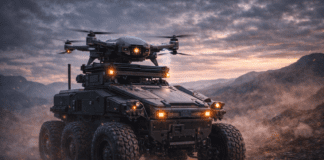
A Drone Riding a Robot? The New Twist in Battlefield Tech
Unmanned systems are increasingly used across modern operations, but they often function separately. Ground robots provide mobility and access to difficult terrain, while aerial...
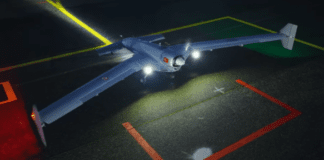
A Strike Drone That Can Fly Blind—and Still Hit Its Target
Loitering munitions have become a central feature of modern conflict, offering a relatively low-cost way to strike targets with precision. However, many existing systems...
Latest

What If Your Cloud Provider Couldn’t Read Your Files?
Collaborative documents have become a standard way for teams to work together, but they present a security problem that encrypted messaging largely solved years...