

This post is also available in:
 עברית (Hebrew)
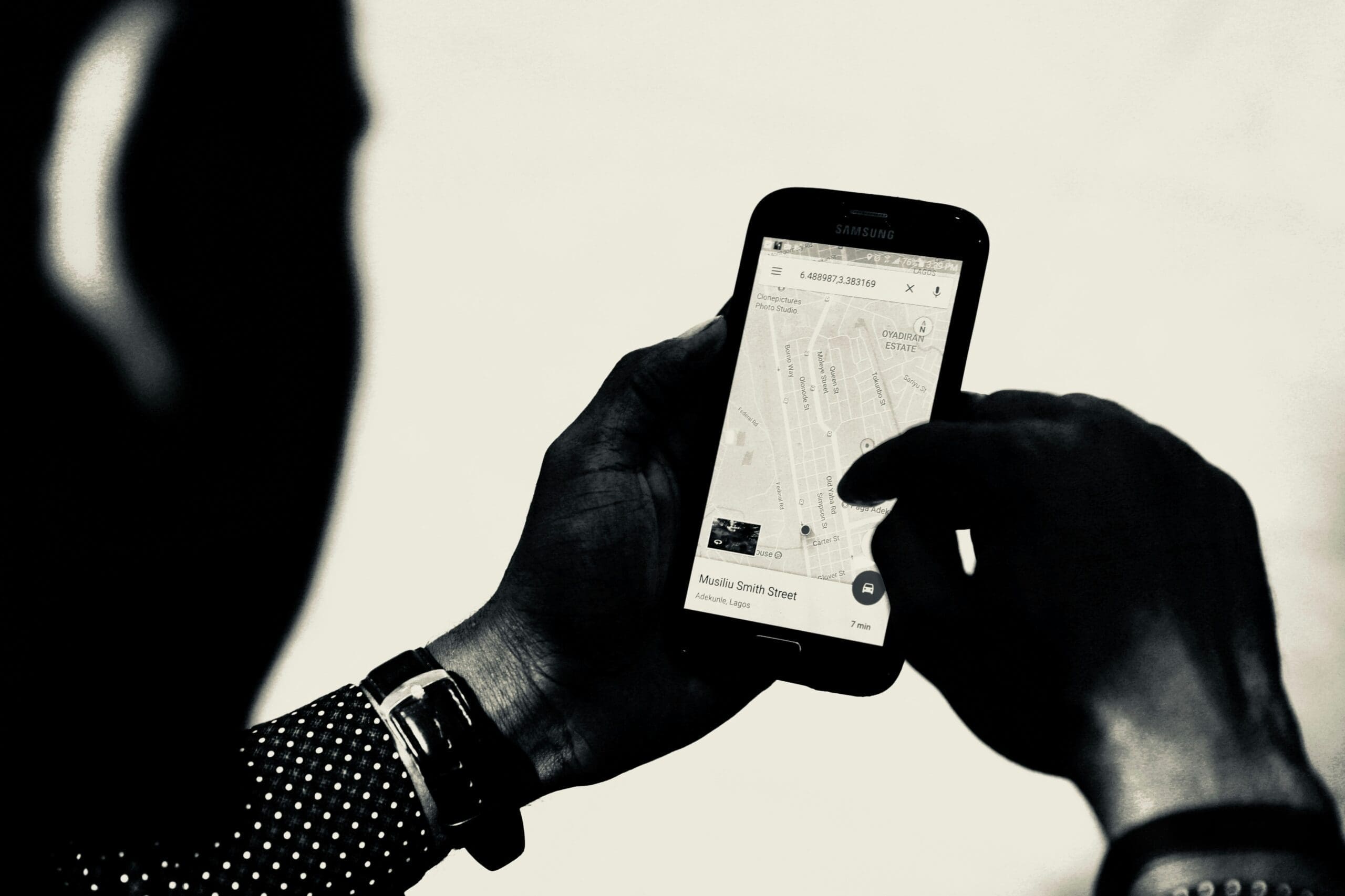
Smartphones constantly generate location data, enabling navigation, ride-sharing, and a wide range of digital services. But that same data is now at the center of a legal debate: how far authorities can go in accessing it during investigations. A key issue is the use of “geofence warrants”, which allow investigators to collect location data from all devices within a defined area and timeframe, rather than targeting a specific individual.
The concern is scale. Instead of focusing on a suspect, this method casts a wide net, potentially capturing data from dozens or hundreds of people who were simply nearby. Critics argue that this approach risks turning routine investigations into broad data sweeps, raising questions about proportionality and privacy.
Supporters of the practice point to its investigative value. By analyzing location records, authorities can identify devices present at a crime scene and narrow down potential suspects. This can be particularly useful in cases where there are no clear leads, such as robberies or abductions.
According to TechXplore, at the technical level, geofence warrants rely on data stored by service providers, such as Google. When users enable location history, their movements are logged and can later be queried. The process typically involves multiple steps: first identifying devices within a geographic boundary, then refining the list based on movement patterns, and finally linking selected devices to user accounts.
However, the method depends heavily on how location data is collected and stored. Changes in data retention policies, such as storing information locally on devices rather than in centralized servers, can affect how accessible this data is for such requests.
From a defense and homeland security perspective, location-based data can play a role in tracking movement patterns, identifying anomalies, and supporting situational awareness. At the same time, large-scale data collection raises concerns about oversight, misuse, and the potential for unintended exposure of non-targeted individuals.
The debate highlights a broader tension between capability and control. As digital systems generate more detailed behavioral data, the challenge is not only how to use it effectively, but also how to define clear boundaries for its use.























