



This Robot Sees Threats on the Ground — and Now in...
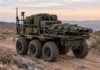
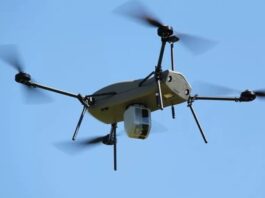
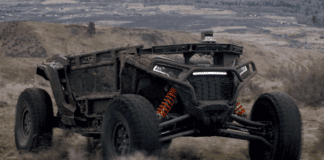
Unmanned ground vehicles are increasingly used to reduce risk to personnel in complex environments, but they face a persistent weakness: exposure to small, hard-to-detect...

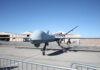
No Pilot, No Problem: The Rise of “Loyal Wingman” Drones
As air forces adapt to more contested environments, there is growing demand for platforms that can operate alongside manned aircraft while reducing risk to...

Real-Time Tracking Replaces Manual Reports on the Battlefield
Tracking personnel in large, dynamic environments has long relied on manual updates, spreadsheets, and fragmented reporting systems. In fast-moving operations, these methods can lag...

The Hidden Potential Behind Space-Based Solar Power
As demand for clean and continuous energy grows, space-based solar power has emerged as a long-term solution. By collecting sunlight in orbit, where it...
Powering Drones From the Ground—While They Fly
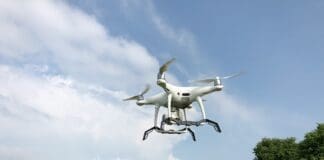
Drone operations are often limited by one key factor: endurance. Even advanced platforms must return to base for recharging or battery replacement, creating gaps...

When GPS Fails, This System Keeps Everything Running
Modern military systems rely heavily on satellite navigation and timing, but these signals are increasingly vulnerable. In contested environments, electronic warfare can disrupt or...
A Cruise Missile Fired From the Ground — and Retargeted Mid-Flight
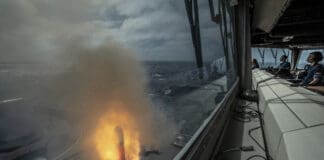
Modern military operations increasingly rely on long-range precision fires, but many of these capabilities have traditionally depended on ships or aircraft. In heavily contested...

A New Crystal Could Make GPS Jamming Irrelevant
Navigation systems today depend heavily on satellite signals, but those signals are not always reliable. GPS can be jammed or spoofed, and in certain...

Milipol TechX Summit 2026 – Operational Intelligence, Artificial Intelligence, Autonomy and...
Written by Or Shalom
The Milipol TechX Summit (MTX) 2026, which opened on April 28th, 2026, at the Sands Expo Convention Center in Singapore, marks...
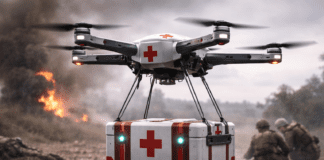
When Drones Become Lifesavers, Not Weapons
Providing advanced medical care in remote or high-risk environments remains a major challenge. On the battlefield, the time between injury and treatment is often...
Meet the Palm-Sized Drone Built for Zero-Visibility Missions
Small drones are increasingly used in environments where visibility is limited, such as collapsed buildings, smoke-filled structures, and dense vegetation, but most navigation systems...

These Off-Road Vehicles Now Drive Themselves Into Danger Zones
Ground forces continue to face a familiar challenge: how to move supplies, gather intelligence, and evacuate casualties without exposing personnel to unnecessary risk. In...

Heartbeat Tracking: Innovation or Overreach?
Locating a person in open terrain, especially in a hostile environment with no continuous communication, remains one of the most complex challenges in search...
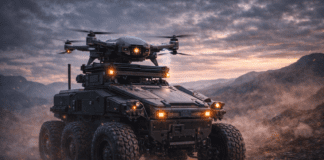
A Drone Riding a Robot? The New Twist in Battlefield Tech
Unmanned systems are increasingly used across modern operations, but they often function separately. Ground robots provide mobility and access to difficult terrain, while aerial...
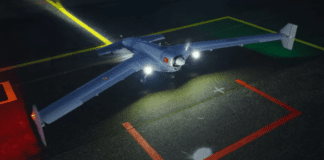
A Strike Drone That Can Fly Blind—and Still Hit Its Target
Loitering munitions have become a central feature of modern conflict, offering a relatively low-cost way to strike targets with precision. However, many existing systems...

Teaching Robots to Recover After Losing Their Position
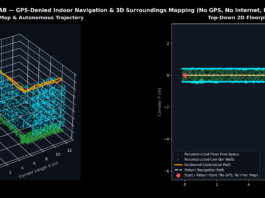
For mobile robots operating in the real world, knowing their exact position is not optional. Autonomous navigation depends on continuous, accurate localization. Yet satellite-based...

Navigation Without Limits: A System Built for Tough Conditions
Operating in the Arctic presents a unique set of challenges for autonomous systems and military platforms. Extreme weather, limited infrastructure and inconsistent satellite coverage...

The Blind-Spot Tech That Could Make Autonomous Systems Safer
Autonomous vehicles and mobile robots rely on cameras, LiDAR and other sensors to navigate safely. These systems perform well within direct line of sight,...

Bees Don’t Need GPS, So Is It Possible That Robots Might...
One of the biggest obstacles to deploying very small autonomous robots is navigation. As machines shrink, the hardware required to determine position and direction...

The “Silent Ears” That Can Hear Artillery Fire
On modern battlefields, artillery and mortar fire can strike within seconds of launch. Detecting the origin of gunfire quickly is critical for both force...

How Smarter Headgear Is Reducing Pilot Fatigue
As combat aircraft take on longer missions and pilots rely more heavily on helmet-mounted sensors and displays, the physical burden on aircrew has become...
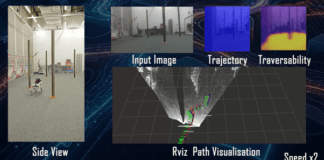
The AI That Lets Robots Navigate Using Just One Look
Robots are getting better at sensing their surroundings, but moving safely through unfamiliar spaces remains a bottleneck. Most autonomous systems still depend on building...
Latest

A Radar That Sees in Every Direction? This One Reaches Over...
Modern air-defense systems must monitor an increasingly crowded sky, where small drones, cruise missiles, rockets and aircraft can approach from different directions and at...