This post is also available in:
 עברית (Hebrew)
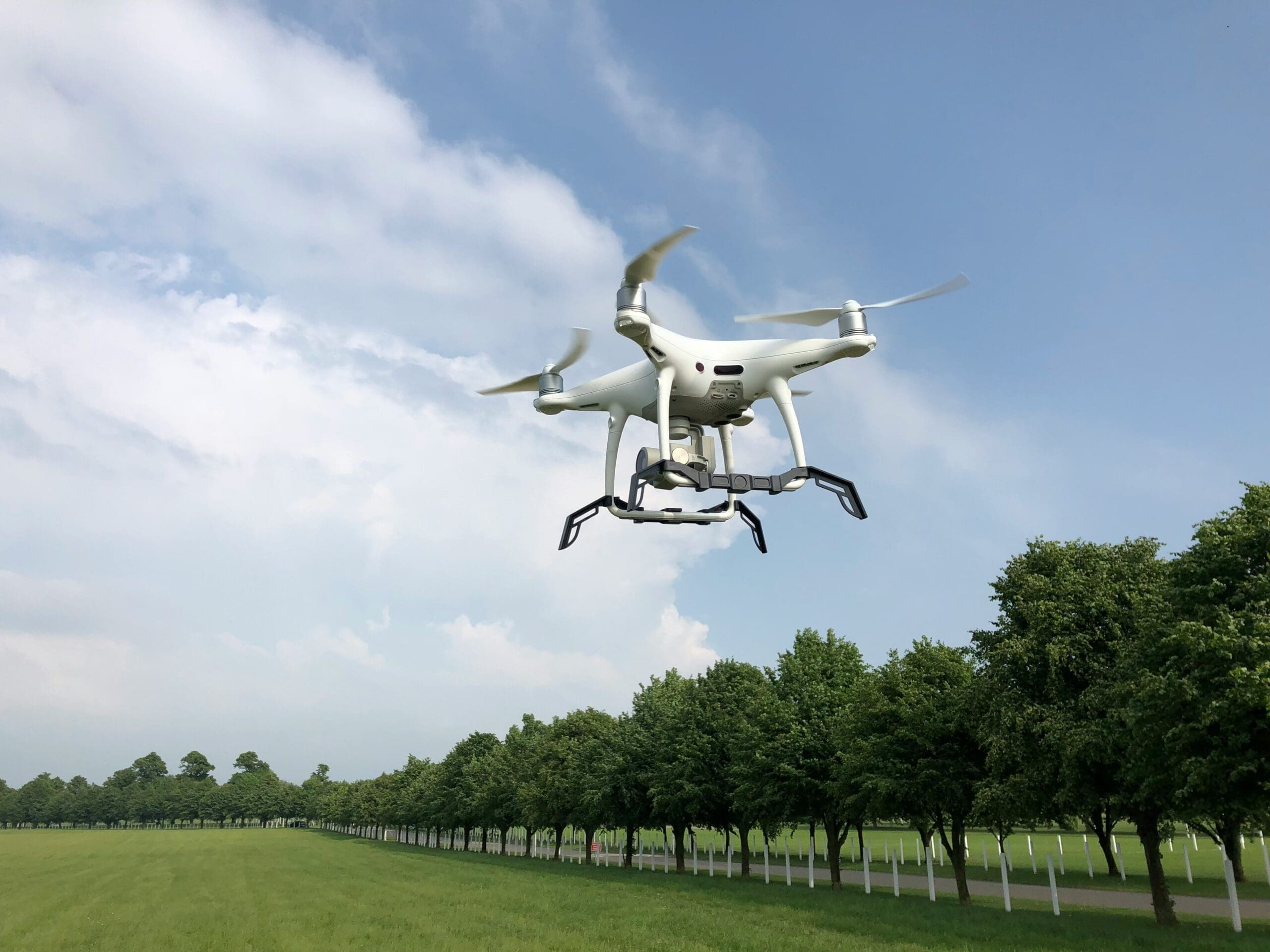
Drone operations are often limited by one key factor: endurance. Even advanced platforms must return to base for recharging or battery replacement, creating gaps in coverage and reducing operational efficiency. In scenarios that require persistent surveillance or continuous presence, this limitation becomes a significant constraint.
A new approach aims to remove that constraint by delivering power wirelessly during flight. Instead of relying solely on onboard batteries, the system uses a ground-based emitter to transmit energy via microwave beams to a receiving antenna mounted on the drone. This allows the aircraft to remain airborne while continuously replenishing its power supply.
According to Interesting Engineering, the concept was recently tested using a mobile ground unit and a fixed-wing drone. During the trial, the system maintained stable energy transfer for more than three hours while both the drone and the emitter were in motion. Achieving this required precise alignment between the transmitter and receiver, which was handled through a combination of GPS positioning, real-time tracking, and onboard flight control adjustments.
One of the key advantages of this method is resilience. Unlike some alternative wireless power approaches, microwave transmission is less affected by environmental conditions such as fog or dust. It also allows for broader coverage, with the potential to support multiple drones from a single source.
Beyond extending flight time, the system could influence how drones are designed. With less reliance on large onboard batteries, platforms could carry additional sensors or payloads, increasing their operational flexibility without increasing size.
From a defense perspective, continuous in-flight power delivery could significantly change how unmanned systems are deployed. Persistent aerial presence is critical for missions such as surveillance, electronic warfare, and area monitoring. Systems that can remain airborne for extended periods reduce the need for rotation and resupply, improving coverage and responsiveness.
The concept also introduces a new operational model, where ground platforms act as energy hubs, supporting drone activity over wide areas. As research in wireless power transfer continues, such systems may become an important component in extending the capabilities of unmanned platforms in both civilian and military applications.