

A $200M Buyout of an Israeli Company Signals the Growing Importance...
As military operations become increasingly data-driven, defense companies are racing to integrate software capable of coordinating sensors, drones, air defense systems, and battlefield assets...

The Drone That Can Break Through Bunkers
Fortified positions have traditionally required heavy munitions or specialized delivery platforms to neutralize. Bunkers, reinforced shelters, and underground structures are designed to absorb or...
Fighting Drones Without Leaving the Tank
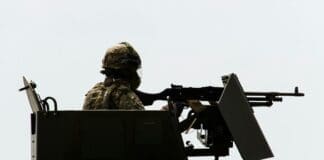
Modern armored units are facing a new challenge: drones are no longer a rare threat, but a constant presence. Small UAVs can locate, track,...

Can Bamboo Replace Carbon Fiber in Drones? New Tech Says Yes
The push toward more sustainable drone designs has introduced a less obvious technical challenge: materials matter. While bamboo offers clear advantages as a lightweight,...
From Zero to Swarm in Seconds
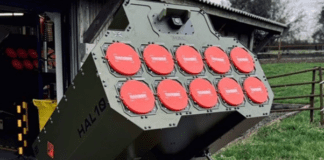
The growing use of drones on the battlefield is shifting the focus toward speed and scale. Small unmanned systems can be deployed in large...

Clearing Naval Mines Without Putting Sailors at Risk
Naval mines remain one of the most persistent threats in maritime security. Relatively inexpensive and easy to deploy, they can disrupt shipping lanes, block...
A New Boost for Long-Range Air Operations
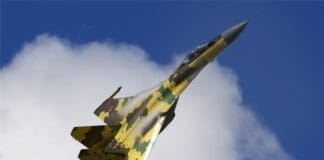
Modern air operations increasingly demand platforms that can cover long distances, perform multiple roles, and respond quickly to both aerial and ground threats. However,...
Blink and It’s Airborne: The Ultra-Fast Tactical Drone
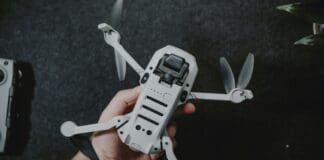
Modern combat environments are placing increasing pressure on response time. Small drone threats can appear with little warning, leaving operators with only seconds to...

A Robot That Lifts 100x Its Weight – Without Motors
Robots are often limited by the very components that power them. Traditional electric motors provide strength and precision, but they also add weight, rigidity,...
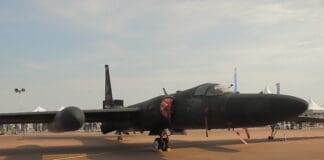
From the Cold War to Now: A Spy Plane Gets Smarter
High-altitude surveillance aircraft are designed to operate beyond the reach of most threats, but modern air defense systems are steadily closing that gap. Advanced...

Even Half-Blind, It Finds the Target: A New Kind of Sensing...
Robots designed to detect and track chemical sources, such as gas leaks, explosives, or hazardous materials, typically rely on multiple sensors working in perfect...
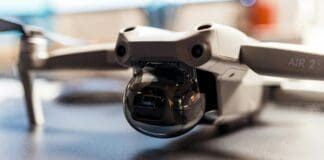
From Camera to Brain: Smarter Drone Vision Takes Flight
As drones take on a larger role in intelligence and surveillance missions, the demand for faster and more autonomous data processing is growing. Traditional...

Snap, Scan, Know: AI Identifies Military Gear in Seconds
Identifying military equipment quickly and accurately remains a challenge, particularly in fast-moving operational or training environments. Analysts and personnel often rely on manual comparison,...

Print, Fly, Repeat: The Rise of 3D-Printed Tactical Drones
Small tactical drones have become essential tools on the modern battlefield, but they often come with trade-offs. Many systems are either too expensive to...

From Herding Sheep to Guiding Swarms: A New Playbook for Robotics
Coordinating large groups of autonomous systems, whether drones, vehicles, or software agents, remains a difficult problem. In real-world conditions, signals are often noisy, incomplete,...

These Off-Road Vehicles Now Drive Themselves Into Danger Zones
Ground forces continue to face a familiar challenge: how to move supplies, gather intelligence, and evacuate casualties without exposing personnel to unnecessary risk. In...

Heartbeat Tracking: Innovation or Overreach?
Locating a person in open terrain, especially in a hostile environment with no continuous communication, remains one of the most complex challenges in search...

The Drone Revolution is Upon Us
As drones move from niche tools to everyday infrastructure, a core challenge is becoming increasingly clear: current systems struggle to meet the endurance, autonomy,...

Like an Arcade Game—But on the Battlefield
As unmanned aircraft become central to modern combat, another challenge is emerging: what happens after a drone goes down. Crashed systems can contain sensitive...

Cyborg Cockroaches? The Military’s New Recon Tool Is Very Real
Modern militaries continue to search for reconnaissance tools that can operate where drones and ground robots struggle — inside collapsed buildings, narrow tunnels or...
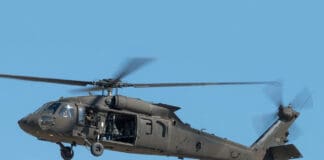
From Cockpit to Code: Helicopters Learn to Fly Themselves
Helicopter operations in contested environments remain among the most vulnerable aspects of modern military missions. Tasks such as resupply, casualty evacuation, and reconnaissance often...
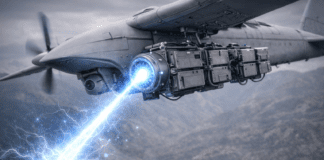
A Modular Weapon That Disrupts the Battlefield’s Signals
Modern air operations increasingly depend on the electromagnetic spectrum. Radar, communications links, targeting networks and drone control systems all rely on uninterrupted access to...
Latest

What If Your Cloud Provider Couldn’t Read Your Files?
Collaborative documents have become a standard way for teams to work together, but they present a security problem that encrypted messaging largely solved years...