This post is also available in:
 עברית (Hebrew)
Modern militaries continue to search for reconnaissance tools that can operate where drones and ground robots struggle — inside collapsed buildings, narrow tunnels or dense urban infrastructure. Conventional unmanned systems, while effective in open environments, face clear limitations in confined or structurally unstable spaces.
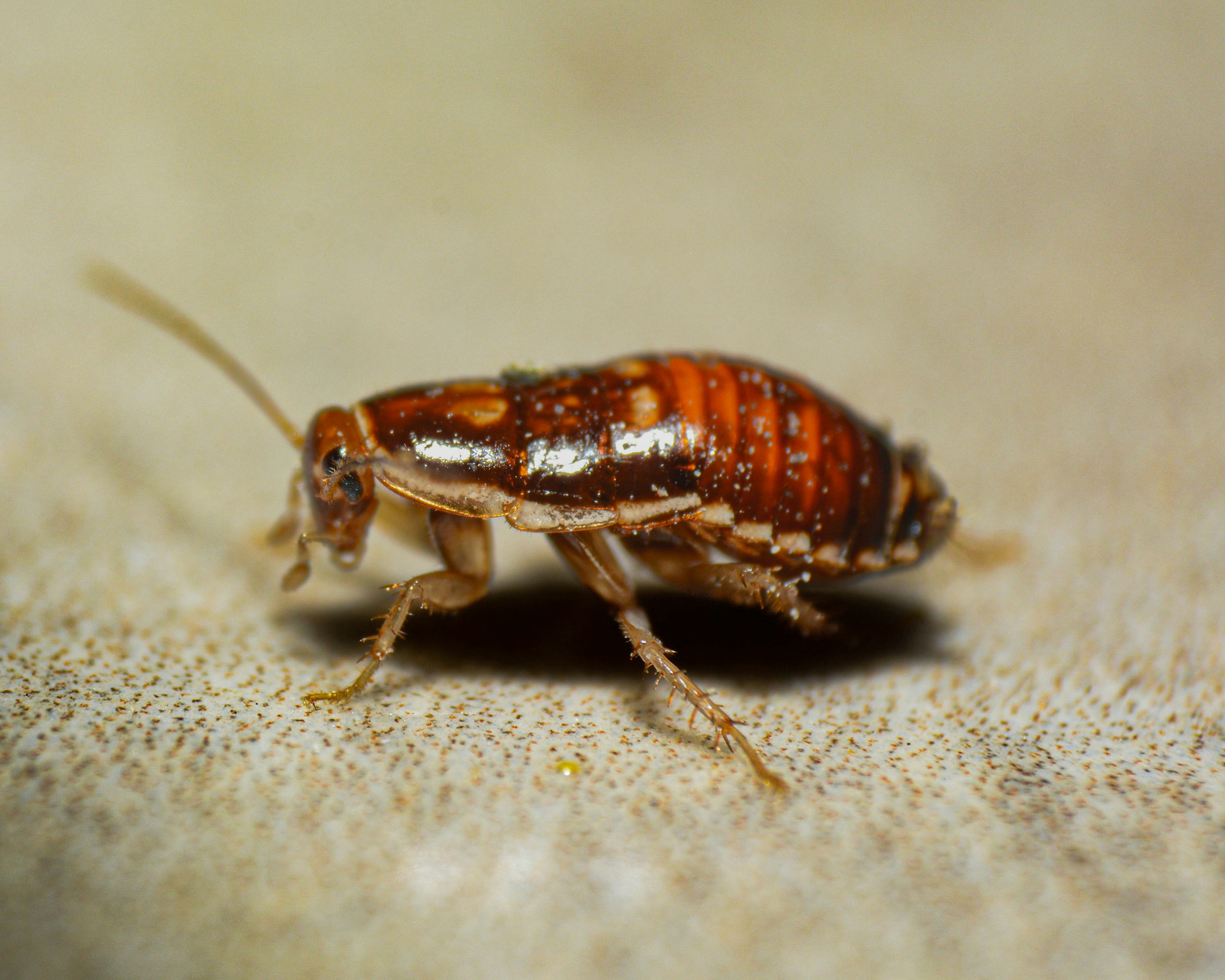
A new approach now being tested in operational settings relies not on mechanical platforms, but on living insects equipped with miniature electronics, developed by SWARM Biotactics. Programmable cockroach-based systems have recently completed field validation in both U.S. and European environments, with deployments reported among NATO-aligned customers.
According to Interesting Engineering, the technology integrates bioelectronic neural interfaces, compact sensor payloads, onboard edge processing and encrypted communications modules into small “backpacks” mounted on live insects. Through controlled electrical stimulation, operators can guide movement, while swarm autonomy software enables multiple units to function as a coordinated network.
Unlike traditional drones that depend on rotors, wheels or tracks, these bio-hybrid platforms use the insect’s natural locomotion. This allows them to traverse tight, cluttered or debris-filled spaces with minimal noise and a low visual profile. Their small size and biological mobility make them particularly suited to reconnaissance in environments that are difficult or risky for human personnel.
Each unit is capable of collecting and transmitting real-time data through secure short-range links. The system architecture combines neural interface hardware, swarm management software, modular payload integration and a dedicated mission-control layer. Scaling is achieved through breeding rather than manufacturing additional mechanical units, offering a distinct production model compared to conventional robotics.
From a defense perspective, such systems could support intelligence gathering in contested urban areas, underground facilities or disaster zones following explosions or structural collapse. Swarm deployment may allow wide-area sensing while reducing risk to soldiers. The ability to discreetly enter confined environments also has implications for counterterrorism and hostage-rescue scenarios.
Biologically integrated robotics has largely remained in research laboratories until recently. The transition to field-tested deployments marks a notable development in autonomous systems, expanding the definition of unmanned platforms beyond purely mechanical designs. As armed forces continue to explore alternative sensing and reconnaissance tools, bio-hybrid swarms may become part of the broader portfolio of next-generation defense technologies.