This post is also available in:
 עברית (Hebrew)
Modern combat environments are placing increasing pressure on response time. Small drone threats can appear with little warning, leaving operators with only seconds to react. At the same time, traditional unmanned systems often require setup, calibration, and launch procedures that delay deployment, limiting their effectiveness in fast-moving scenarios.
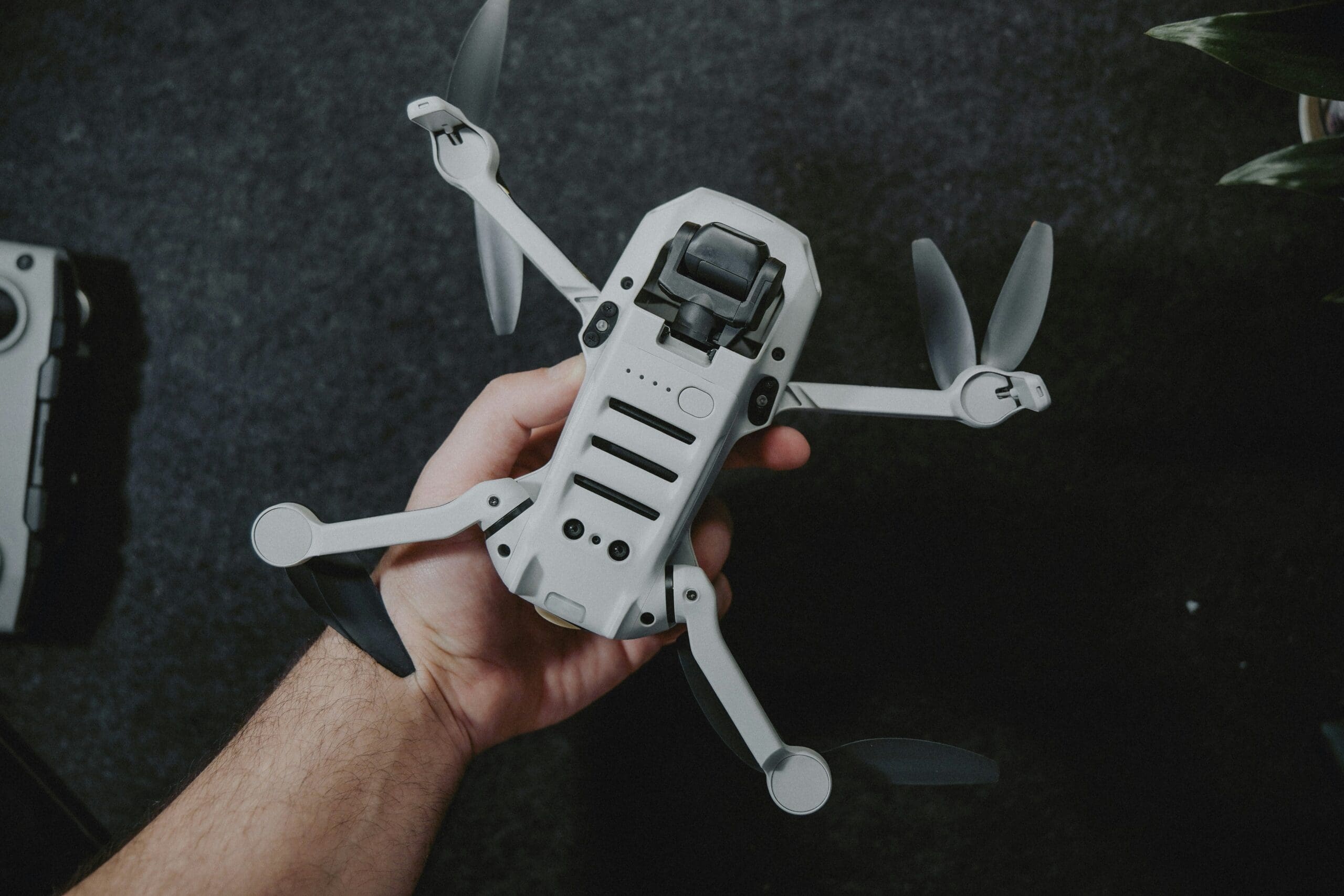
A new compact UAV (named STUD; Small Tactical Unmanned Drone) is designed to address this gap by prioritizing immediate readiness. The system can transition from a packed, carried state to active flight in approximately two seconds. Once powered, it is launched by hand, with onboard rotors stabilizing the platform almost instantly. This allows operators to deploy the drone on demand, without complex preparation or support equipment.
The platform is built for portability and rapid use. A single operator can carry multiple units, between eight and twelve, in a standard backpack configuration. According to NextGenDefense, this enables quick access to several drones in succession, supporting continuous operations or layered responses to emerging threats.
Despite its small size, the system offers a combination of speed and range. It can reach high subsonic speeds and operate at distances of up to tens of miles, with an endurance of under 20 minutes. Its payload capacity supports a range of mission-specific configurations, making it adaptable to different operational needs.
Modularity is a central feature of the design. The drone can be equipped for intelligence gathering, surveillance, and reconnaissance, as well as for electronic warfare, counter-drone missions, or precision strike roles. This reduces the need for multiple specialized platforms, allowing forces to tailor capabilities based on mission requirements.
From a defense perspective, systems with rapid deployment and multi-role flexibility are increasingly important. In scenarios such as urban operations, border security, or base protection, the ability to launch a drone within seconds can provide a critical advantage. Fast-response UAVs can be used to identify threats, intercept hostile drones, or support ground forces in real time.
As unmanned systems continue to evolve, the focus is shifting toward speed, portability, and adaptability. Platforms that can be deployed instantly and perform multiple roles are likely to become a key component of modern tactical operations, particularly where timing and flexibility are essential.