

This post is also available in:
 עברית (Hebrew)
Helicopter operations in contested environments remain among the most vulnerable aspects of modern military missions. Tasks such as resupply, casualty evacuation, and reconnaissance often require crews to fly into areas exposed to ground fire, electronic interference, or limited visibility. As threats evolve, reducing risk to personnel while maintaining operational capability has become a central challenge.
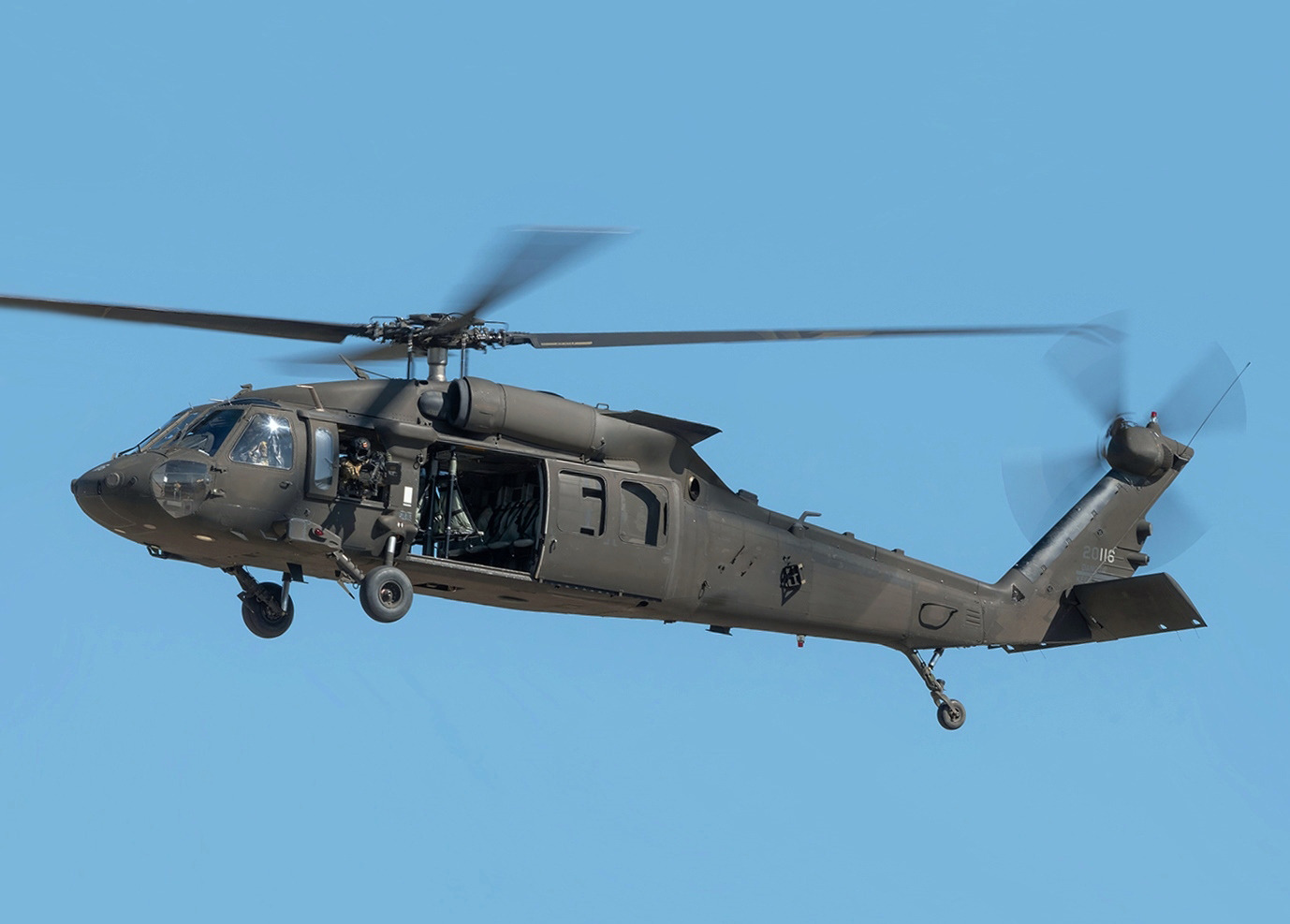
A new variant of a widely used utility helicopter, named Black Hawk, is designed to address this issue by introducing flexible autonomy. The platform can operate in three modes: with a pilot onboard, remotely controlled from the ground, or fully autonomous. This allows missions to be tailored based on risk levels, enabling aircraft to enter high-threat zones without exposing crews when necessary.
At the core of the system is an advanced autonomy framework that manages the entire flight process, from takeoff to landing. Acting as a digital co-pilot, it enables navigation, route planning, and execution with minimal human input. The aircraft is also equipped with a fly-by-wire control system, replacing traditional mechanical controls and allowing for more precise and stable automated flight.
According to Interesting Engineering, the system is now entering a structured testing phase, where it will be evaluated across a range of scenarios. These include autonomous navigation, obstacle avoidance, and coordinated operations alongside both crewed and uncrewed platforms. Particular attention will be given to performance in contested environments, where communication links may be disrupted.
Beyond autonomy, the platform retains the core capabilities of its base configuration. It can carry multiple troops or transport heavy external loads, making it suitable for logistics and support missions. An open architecture design allows for the integration of additional sensors, software updates, and future AI-based tools without major structural changes.
From a defense perspective, this development reflects a broader shift toward optionally piloted and fully autonomous systems. Enabling aircraft to operate without crews in high-risk situations expands operational flexibility and improves survivability. It also supports more distributed operations, where multiple systems can be deployed simultaneously with reduced manpower requirements.
As testing progresses, the platform is expected to serve as a foundation for wider adoption of autonomy across existing helicopter fleets.























