This post is also available in:
 עברית (Hebrew)
High-altitude surveillance aircraft are designed to operate beyond the reach of most threats, but modern air defense systems are steadily closing that gap. Advanced radar networks, longer-range detection, and more capable electronic warfare tools are making it increasingly difficult for legacy platforms to operate undetected. For aircraft that rely on persistence and altitude rather than speed or stealth, survivability now depends heavily on onboard defensive systems.
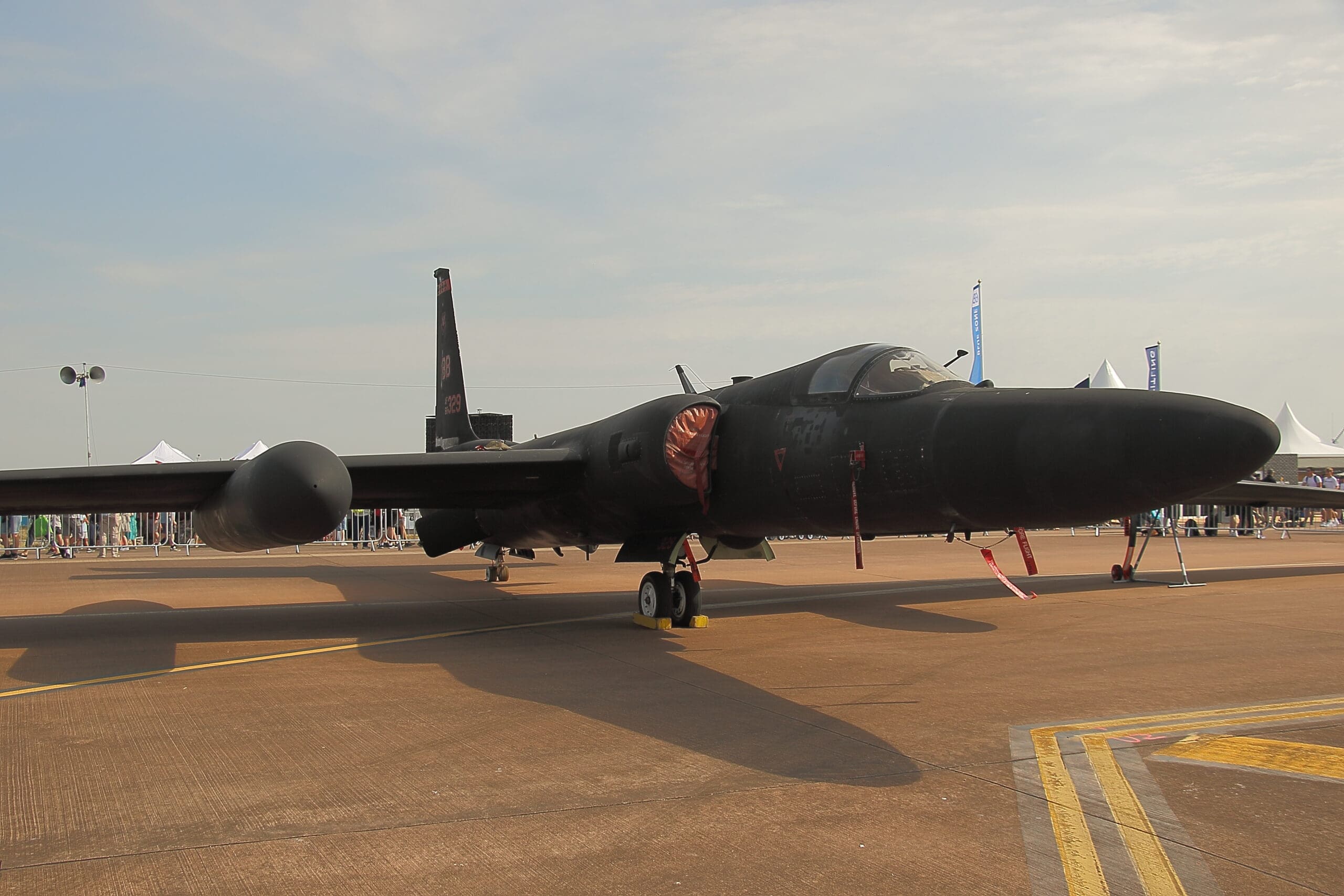
A new upgrade to a long-serving reconnaissance aircraft (the Lockheed U-2, which has been around since the 1950s) focuses on strengthening exactly that layer. The enhancement centers on an advanced defensive suite that combines radar warning capabilities with electronic countermeasures. The system continuously scans the electromagnetic environment, identifies potential radar threats, and provides the pilot with real-time awareness of hostile tracking or targeting activity.
Once a threat is detected, the system can respond using a range of electronic techniques designed to disrupt or confuse radar systems. This allows the aircraft to continue its mission while reducing the likelihood of being tracked or engaged. The onboard processing capability plays a key role here, enabling rapid analysis of signals and faster reaction times in complex, contested environments.
According to Interesting Engineering, a significant part of the upgrade lies in software. As radar technologies evolve, the ability to update threat libraries and response techniques becomes critical. Regular software updates ensure that the system can recognize new signal types and adapt its countermeasures accordingly, extending the operational relevance of the platform without requiring major hardware changes.
The aircraft’s open architecture supports this approach. Its modular avionics design allows new capabilities to be integrated over time, making it possible to keep pace with emerging threats while maintaining the existing airframe. This flexibility has been a key factor in the platform’s long service life.
From a defense perspective, the upgrade highlights the continued importance of electronic warfare in modern operations. Intelligence-gathering aircraft often operate in or near contested airspace, where detection can compromise missions or escalate risks. Enhancing their ability to sense and respond to threats is essential for maintaining access to critical information.
As air defense systems become more sophisticated, survivability is increasingly tied to adaptability. Upgrades that focus on software-driven capabilities and real-time threat response are helping older platforms remain viable in a rapidly changing operational environment.