






Milipol TechX Summit 2026 – Operational Intelligence, Artificial Intelligence, Autonomy and...
Written by Or Shalom
The Milipol TechX Summit (MTX) 2026, which opened on April 28th, 2026, at the Sands Expo Convention Center in Singapore, marks...

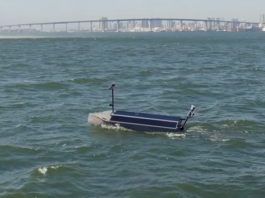
A Smarter Way to Find Hidden Threats Underwater
Naval mines remain one of the most disruptive and persistent threats in maritime operations. They are relatively simple to deploy but difficult and time-consuming...

From Steel to Software: Ships Are Becoming Self-Learning Systems
Modern naval operations generate vast amounts of sensor data, but much of it remains underutilized. Legacy systems often rely on manual processing and fragmented...
When Drones Become Lifesavers, Not Weapons
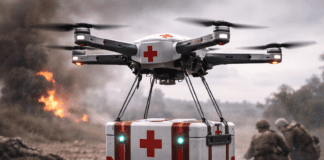
Providing advanced medical care in remote or high-risk environments remains a major challenge. On the battlefield, the time between injury and treatment is often...
The Next Upgrade for Helicopters: Laser Protection
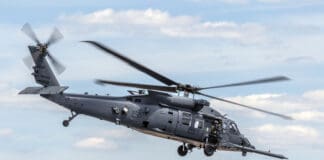
Rescue helicopters operating in contested environments face a growing threat from infrared-guided missiles. While onboard warning systems can alert crews to incoming threats, they...
Next-Generation UAVs Take to the Front Lines
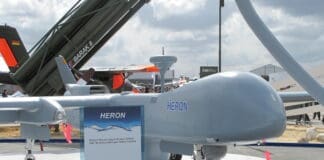
The modern battlefield presents a persistent challenge: adversaries are learning quickly, adapting to new technologies, and forcing defense systems to respond dynamically. At the...
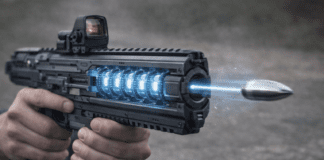
No Flash, No Bang: A New Kind of Handheld Weapon
Conventional firearms rely on chemical propellants, which bring a set of well-known limitations: noise, visible signatures, and fixed levels of force. In certain scenarios,...
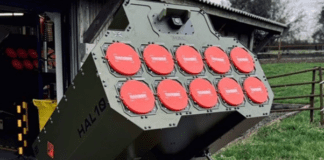
From Zero to Swarm in Seconds
The growing use of drones on the battlefield is shifting the focus toward speed and scale. Small unmanned systems can be deployed in large...
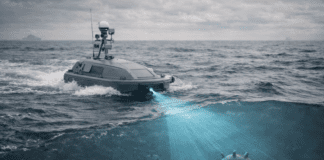
Clearing Naval Mines Without Putting Sailors at Risk
Naval mines remain one of the most persistent threats in maritime security. Relatively inexpensive and easy to deploy, they can disrupt shipping lanes, block...
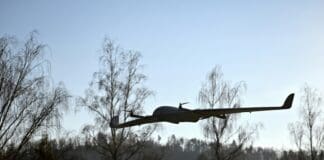
Stopping Drone Swarms Before They Reach You
The rapid spread of unmanned aerial threats is exposing a key limitation in current air defense systems: coverage gaps between ground-based sensors and high-end...
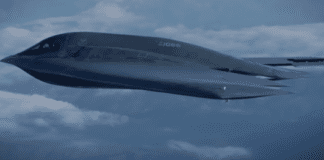
A Bomber That Can Slip Through Advanced Defenses
Modern air defense systems are becoming increasingly dense and sophisticated, making it harder for conventional aircraft to operate inside contested airspace. Long-range missiles offer...
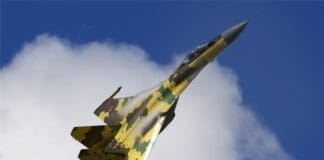
A New Boost for Long-Range Air Operations
Modern air operations increasingly demand platforms that can cover long distances, perform multiple roles, and respond quickly to both aerial and ground threats. However,...
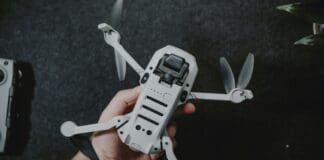
Blink and It’s Airborne: The Ultra-Fast Tactical Drone
Modern combat environments are placing increasing pressure on response time. Small drone threats can appear with little warning, leaving operators with only seconds to...
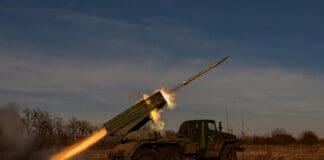
A New Way to Hit Targets Without Getting Close
Striking targets deep behind enemy lines has become increasingly difficult as air defense systems grow more capable and layered. Ground-launched missiles often face range...

A Robot That Lifts 100x Its Weight – Without Motors
Robots are often limited by the very components that power them. Traditional electric motors provide strength and precision, but they also add weight, rigidity,...

The Drone Boat That Carries More—and Moves Faster
Naval forces are increasingly looking for ways to extend reach and firepower without exposing crews to risk. Traditional vessels offer capability but come with...

No Flash, No Noise: A New Kind of Handheld Weapon
Conventional firearms rely on chemical propellants, producing noise, flash, and visible signatures that can limit their use in certain operational scenarios. In law enforcement...
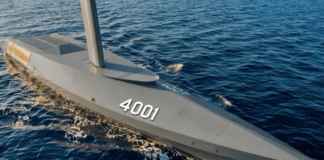
A 14,000-KM Drone Built for Undersea Surveillance
Tracking submarines across vast ocean areas is one of the most resource-intensive missions in naval operations. Traditional platforms, such as crewed ships and aircraft,...

What If Fuel Didn’t Need to Be Transported Anymore?
Fuel supply remains one of the most vulnerable aspects of modern military operations. Moving fuel across long distances requires convoys, infrastructure, and protection, creating...
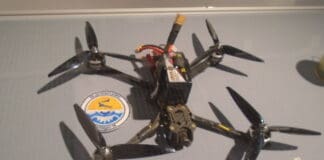
The Drone Built to Take Down Other Drones
The rapid spread of low-cost kamikaze drones is creating a growing challenge for air defense systems. These small, expendable platforms can be deployed in...
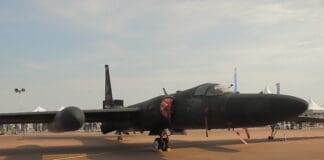
From the Cold War to Now: A Spy Plane Gets Smarter
High-altitude surveillance aircraft are designed to operate beyond the reach of most threats, but modern air defense systems are steadily closing that gap. Advanced...
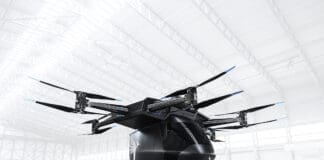
One Aircraft, Two Flight Modes – Now Proven
Urban air mobility has long faced a technical hurdle: combining vertical takeoff with efficient forward flight in a single, reliable platform. While helicopters can...
Latest

This Rifle Upgrade Times Every Shot to Help Hit Fast-Moving Drones
Small drones have become a difficult target for infantry. They can approach quickly, change direction and present a much smaller target than a conventional...




















