This post is also available in:
 עברית (Hebrew)
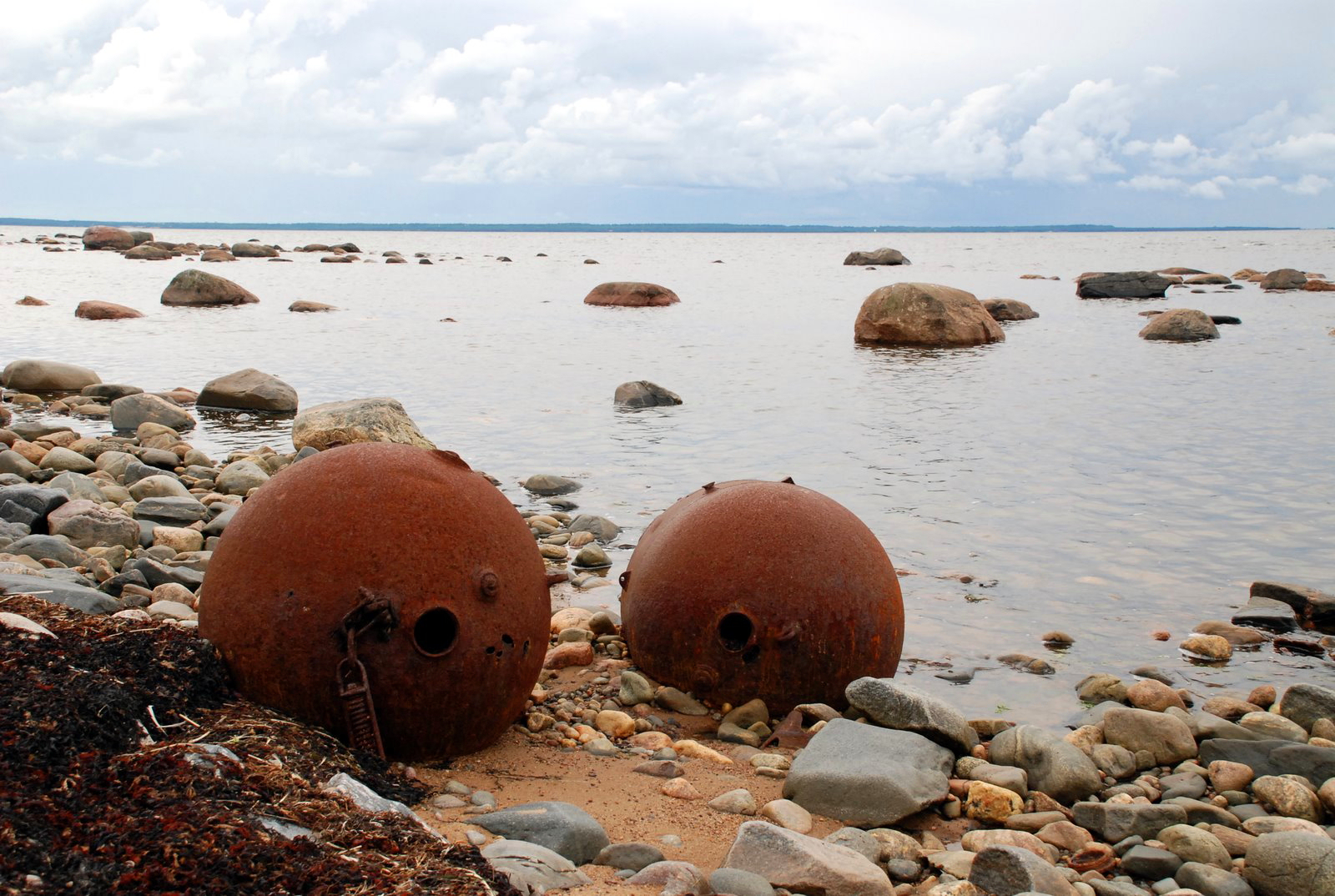
Naval mines remain one of the most disruptive and persistent threats in maritime operations. They are relatively simple to deploy but difficult and time-consuming to detect and neutralize. Traditional mine countermeasure missions often require specialized vessels and crews operating in hazardous areas, limiting speed and increasing risk, especially in rapidly changing or expeditionary environments.
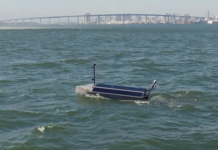
A new system (named Expeditionary PathMaster) is designed to simplify and accelerate this process by combining autonomous platforms with artificial intelligence. Instead of relying on a single ship or fixed setup, the solution operates as a portable, modular framework that can be deployed from multiple platforms, including shore stations, small boats, or larger vessels. This flexibility allows naval forces to initiate mine countermeasure missions quickly, even in unfamiliar or remote regions.
At the core of the system is an AI-driven sonar analysis capability. It processes underwater imaging data significantly faster than traditional methods, enabling operators to detect and classify potential mines with high accuracy. According to Interesting Engineering, by automating much of the analysis, the system reduces the workload on human operators and shortens the time required to confirm threats.
The architecture also supports integration with a wide range of assets. Autonomous underwater vehicles, remotely operated systems, and conventional minehunters can all be connected into a single operational network. A centralized mission management system coordinates these assets, allowing multiple search and analysis tasks to run in parallel while providing real-time updates.
Another key feature is its expeditionary design. The system includes a portable operations center that can be deployed quickly and set up with minimal infrastructure. This enables mine-clearing operations to begin without relying on permanent bases or dedicated ships, improving responsiveness in both military and civilian scenarios.
From a defense perspective, such capabilities are increasingly important. Securing sea lines of communication, protecting ports, and ensuring access to coastal areas are critical for both military operations and global trade. Autonomous and AI-enabled systems allow these missions to be conducted more efficiently while reducing exposure to risk.
As maritime threats evolve, the combination of automation, interoperability, and rapid deployment is shaping the next generation of mine countermeasure operations, offering a more adaptable approach to securing underwater environments.