

This post is also available in:
 עברית (Hebrew)
The rapid spread of unmanned aerial threats is exposing a key limitation in current air defense systems: coverage gaps between ground-based sensors and high-end interceptors. Small drones, particularly when deployed in swarms or at low altitude, can evade detection until they are already close to their target. This shortens reaction time and increases the risk to critical infrastructure, forward bases, and mobile units.
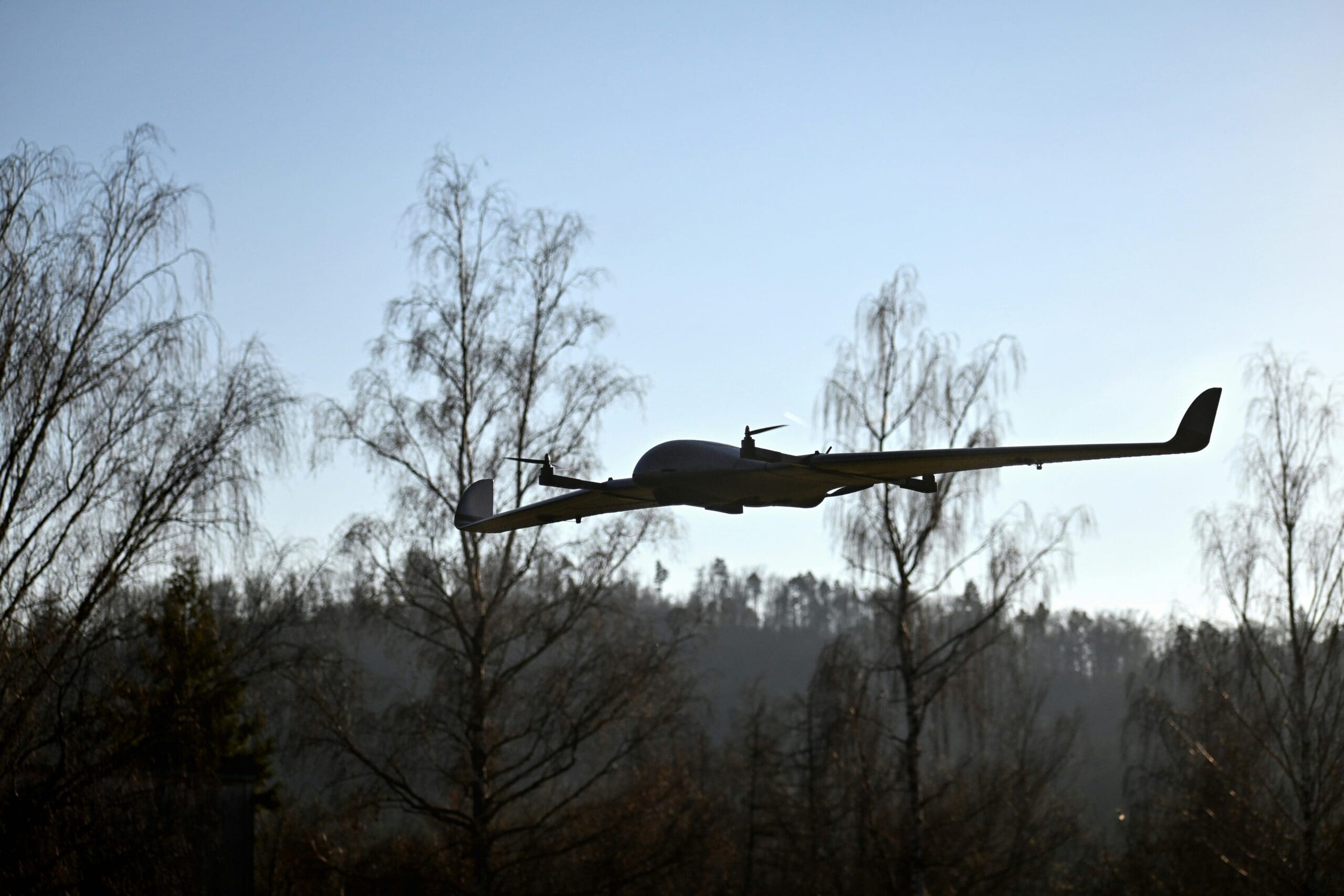
A new airborne counter-drone concept, which integrates Honeywell Aerospace’s Stationary and Mobile UAS Reveal and Intercept (SAMURAI) platform with Odys Aviation’s Laila hybrid-electric vertical take-off and landing (VTOL) aircraft. It is designed to address this gap by extending detection and interception capabilities into the air. The system combines a modular counter-UAS architecture with a long-endurance unmanned aircraft, creating a mobile defensive layer that operates ahead of ground systems.
According to Interesting Engineering, at its core is a multi-sensor detection and response framework capable of identifying, tracking, and neutralizing aerial threats. It integrates radio-frequency monitoring, electro-optical sensors, and command-and-control elements into a unified system. Once a threat is detected, the platform can deploy a range of responses, including electronic disruption or physical interception using dedicated drones.
A key advantage lies in its use of artificial intelligence to support rapid decision-making. The system analyzes flight behavior and environmental data to distinguish between benign objects and potential threats. This is particularly important in complex environments where false positives, such as birds or debris, can interfere with detection. The AI-driven process helps reduce response time, allowing operators to select the appropriate countermeasure within seconds.
The integration with a hybrid VTOL aircraft significantly expands operational reach. With the ability to remain airborne for extended periods and operate without traditional runways, the platform can patrol large areas and respond to threats at greater distances. Its range, measured in hundreds of kms, allows it to act as a forward sensor and interceptor, engaging threats before they approach defended assets.
From a defense perspective, this reflects a broader shift toward layered air defense systems. By adding an airborne component, forces can detect and engage drones earlier in the threat cycle, reducing pressure on ground-based systems and improving overall coverage.
As drone threats continue to evolve in scale and complexity, combining persistent aerial platforms with automated detection and response capabilities is becoming a central part of modern defense strategies.























