This post is also available in:
 עברית (Hebrew)
Small robots could be valuable for exploring collapsed buildings, damaged infrastructure and other spaces that are too confined or dangerous for people. But building a machine that can move as effectively as an insect across rubble, gaps and uneven surfaces remains difficult. One alternative is to use the insect itself as the mobile platform, adding electronics that influence where it goes.
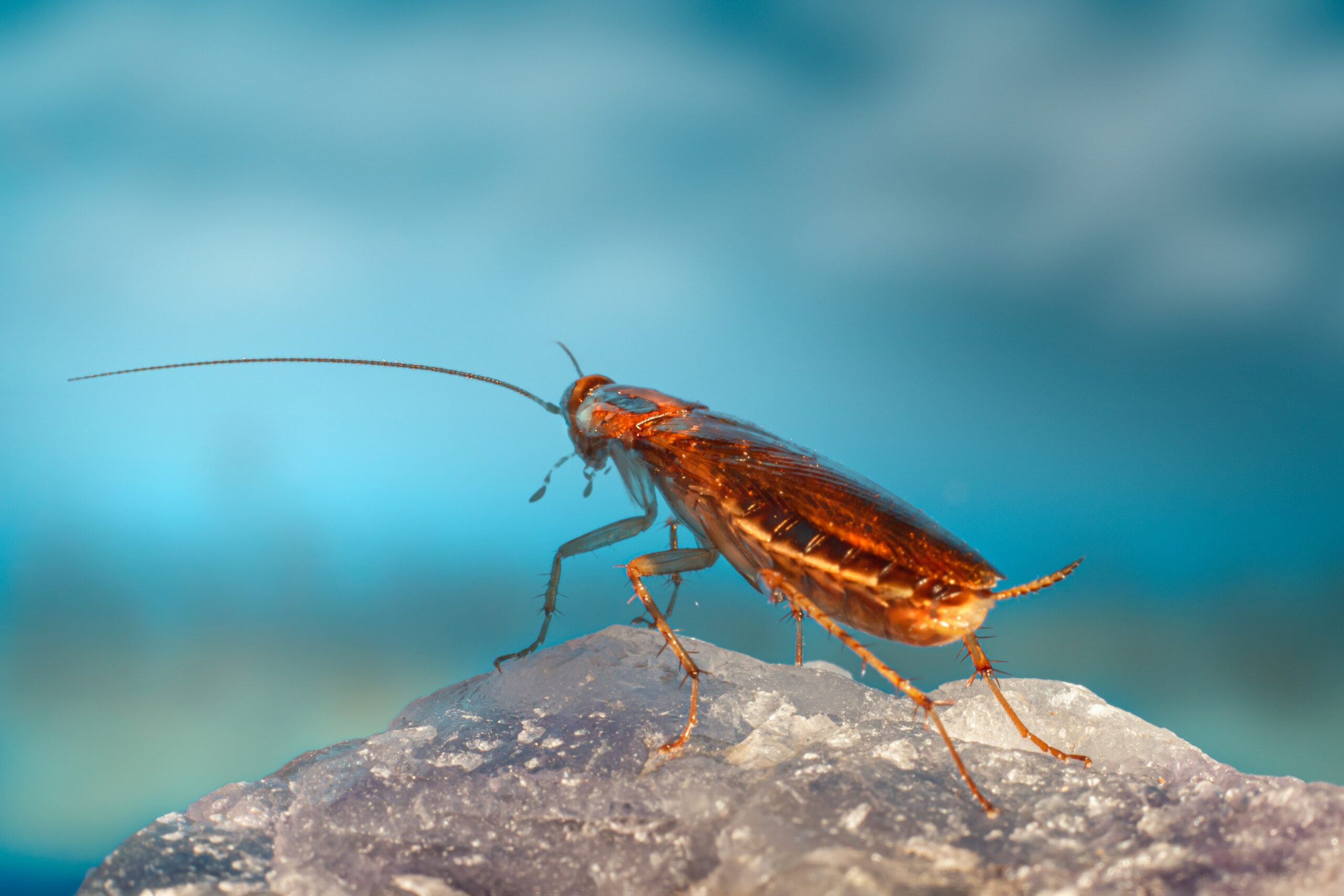
Researchers from the University of Osaka and Universitas Diponegoro have developed a new navigation system for cyborg cockroaches that uses artificial intelligence to recognize terrain while allowing the insect to rely on its natural climbing abilities.
Conventional autonomous navigation creates an unusual problem for biohybrid robots. Algorithms typically treat an obstacle as something to avoid and calculate a route around it. A cockroach, however, may simply be able to climb over the obstacle. Steering it around objects it could naturally cross can therefore increase travel time and reduce the area it can explore.
The researchers initially developed a reactive-climbing strategy combining several behaviors, including movement toward a destination, obstacle avoidance and wall following. When the cockroach encountered something it could climb, the controller allowed its natural locomotion to handle the ascent.
However, the system did not understand what kind of terrain the insect was crossing. As a result, it sometimes continued issuing steering commands during a climb, causing hesitation and interfering with forward movement.
According to TechXplore, the new system adds an AI classifier based on a multilayer perceptron, a type of artificial neural network. Using data from sensors carried by the insect, it distinguishes between flat ground, upward slopes, downward slopes and holes in real time. In offline testing, the classifier achieved 92% accuracy.
Once the terrain is identified, the controller can modify how it stimulates the cockroach. During situations where the insect’s own movement is more effective, unnecessary steering can be reduced, allowing it to continue climbing rather than fighting against electronic commands.
The researchers describe the approach as biohybrid physical AI. Instead of attempting to replace biological movement with robotic control, the system determines when electronics should intervene and when the animal’s natural capabilities should take over.
The technology could eventually have applications in search and rescue, infrastructure inspection and security operations. Cyborg insects could potentially enter narrow voids inside collapsed structures or other locations inaccessible to conventional ground robots, carrying miniature sensors to search for survivors or assess hazards.
The work remains experimental, but it demonstrates a different approach to autonomous robotics. Rather than designing a machine capable of reproducing every movement an insect performs naturally, AI can help electronics cooperate with the biological system already doing the walking and climbing.
The research was published here.