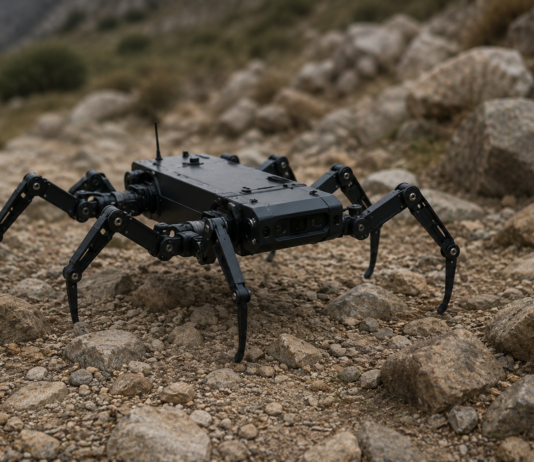




Meet the Worm-Inspired Robot Built for Places Wheels Can’t Reach
Traditional robots are typically built around rigid frames, motors, gears, and joints. While this design works well in structured environments, it becomes less effective...

A Robot That Lifts 100x Its Weight – Without Motors
Robots are often limited by the very components that power them. Traditional electric motors provide strength and precision, but they also add weight, rigidity,...

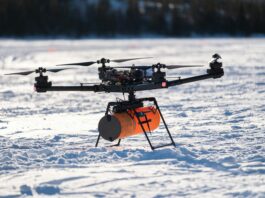
Meet the Palm-Sized Drone Built for Zero-Visibility Missions
Small drones are increasingly used in environments where visibility is limited, such as collapsed buildings, smoke-filled structures, and dense vegetation, but most navigation systems...

Even Half-Blind, It Finds the Target: A New Kind of Sensing...
Robots designed to detect and track chemical sources, such as gas leaks, explosives, or hazardous materials, typically rely on multiple sensors working in perfect...

These Off-Road Vehicles Now Drive Themselves Into Danger Zones
Ground forces continue to face a familiar challenge: how to move supplies, gather intelligence, and evacuate casualties without exposing personnel to unnecessary risk. In...
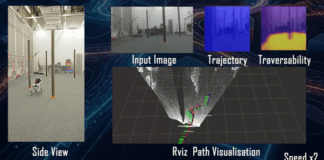
The AI That Lets Robots Navigate Using Just One Look
Robots are getting better at sensing their surroundings, but moving safely through unfamiliar spaces remains a bottleneck. Most autonomous systems still depend on building...
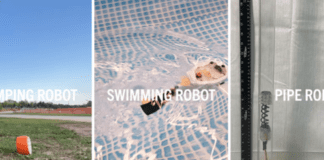
One Simple Physics Trick Powers These Shape-Shifting Robots
Robots are often limited by how they move. Wheels struggle with obstacles, legs require complex joints and control, and propellers add weight and energy...

From Tight Spaces to Open Water: A New Kind of Humanoid
Humanoid robots are often promoted as versatile helpers, but in real-world conditions they remain constrained by rigid frames and limited mobility. Tight spaces, uneven...
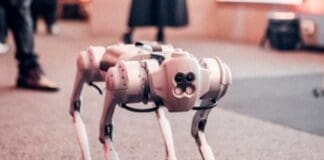
Why Future Ground Robots Won’t Need Pre-Programmed Gaits
Robots are often expected to operate where wheels fail: collapsed buildings, uneven ground, mud, ice, or debris-covered floors. Yet most legged robots still struggle...

This Autonomous Aircraft Delivers Supplies in Mountains and Bad Weather
Supplying forces and communities in remote or high-altitude regions has always been a logistical challenge. Mountainous terrain, limited runways, harsh weather, and damaged infrastructure...

From Smooth Floors to Stairwells: A New Kind of Robot Mobility
Stairs remain a stubborn obstacle for mobile robots. Wheels are fast and efficient on flat ground, but they struggle the moment elevation changes appear....

Why Future Autonomous Scouts Won’t Depend on GPS at All
Modern military operations increasingly take place in environments where GPS cannot be relied upon. Electronic jamming, urban terrain, dense foliage, and underground spaces can...

When GPS Goes Dark, This Drone Keeps Flying
Modern unmanned systems rely heavily on satellite navigation, but in many operational environments GPS has become a fragile resource. Adversaries now routinely jam or...
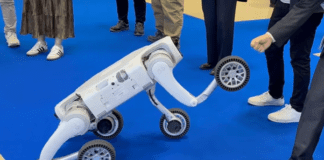
Mapping at Scale: The Robot Dog Built for Modern Security Missions
Organizations responsible for logistics, infrastructure, and critical facilities are increasingly required to inspect, map, and monitor enormous areas — sometimes hazardous or inaccessible —...

Robot Fighter Copies Every Move of Its Human Operator
Robots intended for combat support or hazardous-duty missions typically rely on pre-programmed actions or remote-control interfaces, limiting how precisely they can mimic human movement....

AI “Search Dog” Learns the Field Like a Human
Search-and-rescue teams often struggle with a basic operational challenge: disaster zones are unpredictable, unmapped, and full of obstacles that confuse traditional robotic systems. Standard...

Stronger Than Muscle, Softer Than Metal: A Robotics Game-Changer
Robots intended to work alongside people or operate in confined, unpredictable environments need actuators that can bend, twist, and conform in ways that traditional...

Meet the Mini Drone That Flips Like a Bug and Navigates...
Autonomous flight at insect scale has long been a challenge in robotics. Existing microrobots can hover or move along controlled paths, but they typically...

A New 3D View of the World Built for Preparedness and...
Understanding how people build, expand, and occupy space has become a strategic priority for governments and emergency planners. Yet most global datasets still represent...

5G-in-a-Box: A Fast Fix for Disaster and Defense Missions
Large-scale emergencies often trigger a secondary crisis: the sudden loss of communications. Floods, fires, earthquakes, or cyberattacks can knock out established infrastructure within minutes,...
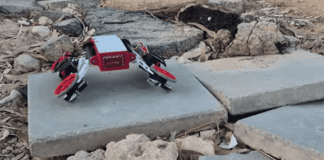
The Robot That Changes Shape to Beat Any Terrain
Ground robots often struggle with one recurring problem: every terrain demands a different movement strategy. Smooth surfaces favor wheels, rubble demands crawling, and narrow...

Origami Reinvented: A Fold Tough Enough for Field Use
Emergency responders and humanitarian agencies often struggle with the same issue: how to deploy sturdy, lightweight shelters quickly in disaster zones where transport is...
Latest

Drones Slip Past Air Defense? This System Is the Ship’s Last...
Modern warships can carry sophisticated air defenses, but inexpensive drones have created a difficult problem at the opposite end of the engagement range. FPV...