

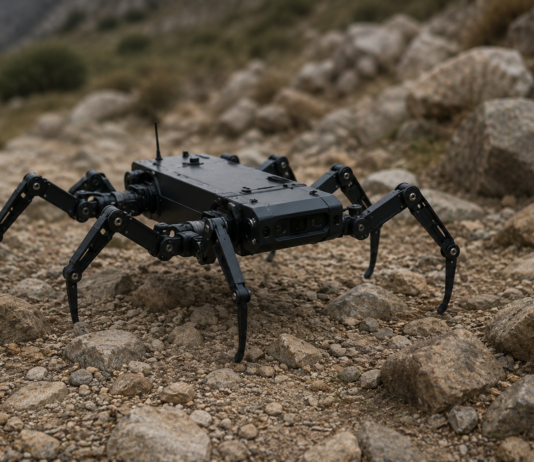




Half Vehicle, Half Robot: Meet the New “Centaur” Machine
Robots designed for industrial inspection or emergency response often face a tradeoff. Wheeled platforms can move quickly and efficiently over long distances but struggle...

Scientists Built a Tiny Diving Suit for Cyborg Cockroaches
Collapsed buildings, flooded tunnels, and debris-filled drainage systems are among the most difficult environments for search-and-rescue teams to access after natural disasters. Small ground...
This Robot Dog Crosses Rivers, Climbs Mountains, and Keeps Going in...
Robots are increasingly being used for inspections, emergency response, and field operations in locations that are difficult or dangerous for people to reach. However,...

Meet the Robot Dog Built to Survive Arctic Ice and Freezing...
Collecting data in the Arctic is often as challenging as the research itself. Beneath seemingly solid snow can lie hidden pools of icy water,...
Aerodynamic Expertise Meets Defense Tech: The Technology Bringing Aircraft Safely Back...
Apco Aviation Defense is a graduate of the INNOFENSE Innovation Center operated by iHLS in collaboration with IMoD. This unique acceleration program removes entrance barriers to...

Meet the Worm-Inspired Robot Built for Places Wheels Can’t Reach
Traditional robots are typically built around rigid frames, motors, gears, and joints. While this design works well in structured environments, it becomes less effective...
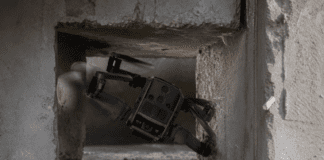
A Drone That Can Tilt, Twist, and Slip Through Tiny Openings...
Drones have become valuable tools for inspection, emergency response, industrial monitoring, and aerial reconnaissance. Yet even advanced platforms often struggle in confined environments filled...

This Smartphone Tech Can Detect Objects Outside Your Line of Sight
Smartphone LiDAR sensors have become common in high-end devices, mainly supporting augmented reality features and depth sensing for photography. But despite their growing capabilities,...

Fall Overboard? This Autonomous Drone Could Reach You Before the Rescue...
When someone falls overboard, time becomes the most critical factor in survival. Ships traveling at speed require time to stop, launch rescue craft, and...
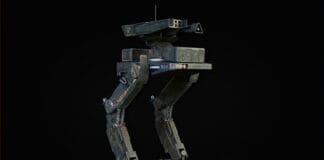
This Combat Robot Just Fired Anti-Tank Missiles During Live Trials
Integrating heavy weapons onto compact robotic ground vehicles has become a growing focus for modern militaries, but the engineering challenge is significant. Small unmanned...

Drones Could Soon Navigate Collapsed Buildings Without Slowing Down
Flying autonomous drones through unpredictable environments remains one of the biggest technical challenges in robotics. In confined spaces such as collapsed buildings, industrial sites,...
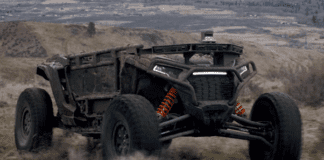
This Robot Sees Threats on the Ground — and Now in...
Unmanned ground vehicles are increasingly used to reduce risk to personnel in complex environments, but they face a persistent weakness: exposure to small, hard-to-detect...

A Robot That Moves Without Motors? This One Does
Soft robots are often seen as a promising solution for operating in delicate or constrained environments, but they come with a key limitation: movement....
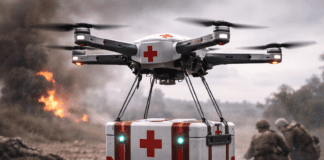
When Drones Become Lifesavers, Not Weapons
Providing advanced medical care in remote or high-risk environments remains a major challenge. On the battlefield, the time between injury and treatment is often...
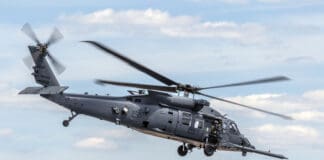
The Next Upgrade for Helicopters: Laser Protection
Rescue helicopters operating in contested environments face a growing threat from infrared-guided missiles. While onboard warning systems can alert crews to incoming threats, they...

A Robot That Lifts 100x Its Weight – Without Motors
Robots are often limited by the very components that power them. Traditional electric motors provide strength and precision, but they also add weight, rigidity,...
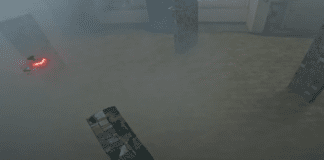
Meet the Palm-Sized Drone Built for Zero-Visibility Missions
Small drones are increasingly used in environments where visibility is limited, such as collapsed buildings, smoke-filled structures, and dense vegetation, but most navigation systems...

Even Half-Blind, It Finds the Target: A New Kind of Sensing...
Robots designed to detect and track chemical sources, such as gas leaks, explosives, or hazardous materials, typically rely on multiple sensors working in perfect...

These Off-Road Vehicles Now Drive Themselves Into Danger Zones
Ground forces continue to face a familiar challenge: how to move supplies, gather intelligence, and evacuate casualties without exposing personnel to unnecessary risk. In...

Heartbeat Tracking: Innovation or Overreach?
Locating a person in open terrain, especially in a hostile environment with no continuous communication, remains one of the most complex challenges in search...
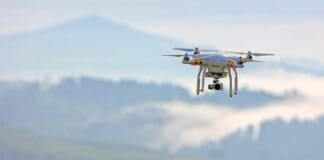
The Drone Revolution is Upon Us
As drones move from niche tools to everyday infrastructure, a core challenge is becoming increasingly clear: current systems struggle to meet the endurance, autonomy,...

How a Sea Creature Is Teaching Robots to “Just Keep Swimming”
Autonomous robots still struggle with a basic problem that animals solve effortlessly: how to keep moving when conditions suddenly change. Uneven terrain, loss of...
Latest

This Rifle Upgrade Times Every Shot to Help Hit Fast-Moving Drones
Small drones have become a difficult target for infantry. They can approach quickly, change direction and present a much smaller target than a conventional...



















