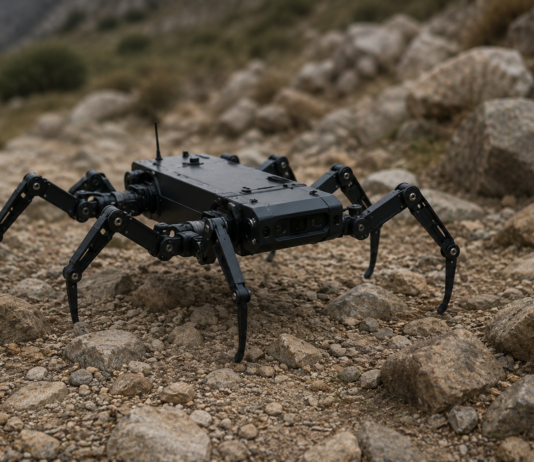



Geese, Mongooses, and AI Team Up to Protect Modern Networks
Software-defined networks (SDNs) have become a cornerstone of modern data centers, cloud infrastructure, and enterprise environments. By separating the control layer from the traffic-forwarding...

Meet the Robot Boats That Snap Together Like Lego
Building temporary infrastructure on water is often slow, expensive and labor-intensive. Whether the goal is creating a floating bridge after a natural disaster, deploying...
Inspired by Diving Birds, This Drone Masters Air and Sea
Collecting data at sea often requires researchers to choose between two very different types of vehicles. Aerial drones can quickly survey large areas but...

Meet the Robot Dog Built to Survive Arctic Ice and Freezing...
Collecting data in the Arctic is often as challenging as the research itself. Beneath seemingly solid snow can lie hidden pools of icy water,...
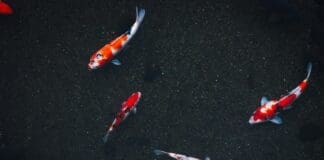
From Fish to Fleet: A New Approach to Underwater Robotics
Designing underwater robots that can move efficiently and adapt to changing currents remains a complex challenge. Traditional systems rely on external sensors and pre-programmed...

Forget Drones—These Robot Snakes Inspect Power Lines From the Inside Track
Maintaining large electrical grids is a difficult and often dangerous task. Power lines stretch across vast distances, pass through hard-to-reach terrain, and require regular...
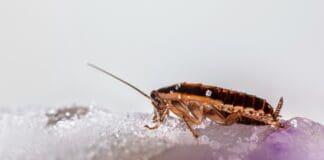
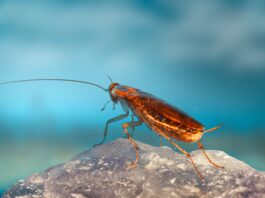
These Cyborg Cockroaches Are Controlled by AI — But Not in...
Controlling insect-based robots has long been an area of interest for researchers looking to combine the mobility and efficiency of living organisms with the...

Scientists May Have Found the Secret to Stable Flapping Drones
Building small flying robots that move like insects has long been a challenge for engineers. Flapping-wing systems are highly agile and energy efficient, but...

The Push to Give Robots Animal-Like Agility
Robots have become increasingly capable in controlled environments, but they still struggle to replicate the adaptability and precision seen in animals. Biological movement relies...
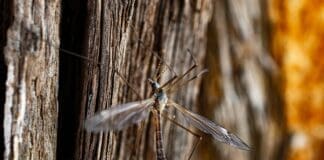
Nature’s Tiny Vibration Detector Is Inspiring Smarter Sensors
Detecting extremely weak vibrations usually requires complex electronics, amplification circuits, and continuous signal processing. Whether in microphones, environmental monitoring systems, or biomedical devices, improving...
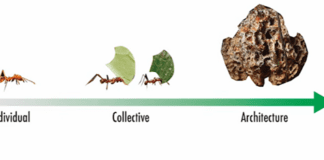
Tiny Robots, Big Coordination: Learning From Ants
Coordinating large numbers of robots to perform complex tasks remains a major challenge. Traditional systems often rely on centralized control, detailed planning, and constant...
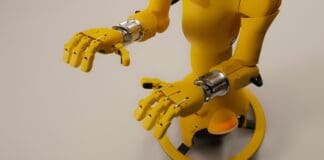
A Smarter Way to Control Flexible Robots in Tight Spaces
Robots are increasingly expected to operate in confined and complex environments, from industrial machinery to medical procedures inside the human body. Traditional robotic arms,...
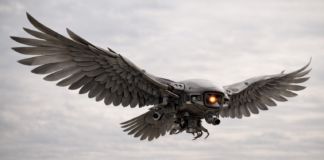
Rethinking Flight: Drones Swap Propellers for Flapping Wings
Conventional drones rely on spinning propellers to generate lift and maneuver in the air. While effective, this approach has limitations, especially in tight, cluttered,...

Meet the Palm-Sized Drone Built for Zero-Visibility Missions
Small drones are increasingly used in environments where visibility is limited, such as collapsed buildings, smoke-filled structures, and dense vegetation, but most navigation systems...

Inspired by Fish, Built for Missions: A Smarter Wing for Sea...
Autonomous underwater vehicles (AUVs) operate in an environment that is constantly shifting. Sudden currents, turbulence and pressure changes can destabilize rigid wings and control...

Even Half-Blind, It Finds the Target: A New Kind of Sensing...
Robots designed to detect and track chemical sources, such as gas leaks, explosives, or hazardous materials, typically rely on multiple sensors working in perfect...

From Herding Sheep to Guiding Swarms: A New Playbook for Robotics
Coordinating large groups of autonomous systems, whether drones, vehicles, or software agents, remains a difficult problem. In real-world conditions, signals are often noisy, incomplete,...

How a Sea Creature Is Teaching Robots to “Just Keep Swimming”
Autonomous robots still struggle with a basic problem that animals solve effortlessly: how to keep moving when conditions suddenly change. Uneven terrain, loss of...
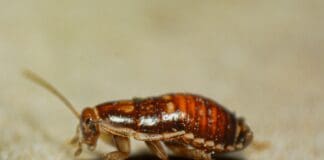
Cyborg Cockroaches? The Military’s New Recon Tool Is Very Real
Modern militaries continue to search for reconnaissance tools that can operate where drones and ground robots struggle — inside collapsed buildings, narrow tunnels or...
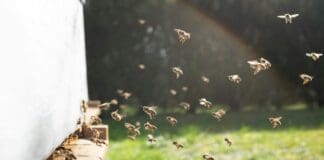
Bees Don’t Need GPS, So Is It Possible That Robots Might...
One of the biggest obstacles to deploying very small autonomous robots is navigation. As machines shrink, the hardware required to determine position and direction...
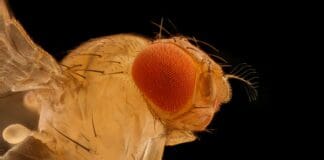
Inspired by Flies, This Robot Eye Sees 180 Degrees
Small drones and mobile robots increasingly operate in tight, cluttered environments where awareness must be both wide and fast. Conventional camera systems can capture...

Could Cyborg Pigeons Be the Next Surveillance Tool?
Small drones have become a common tool for surveillance, inspection, and reconnaissance, but they come with limits. Battery life restricts endurance, electric motors generate...
Latest

This New Security Platform Is Designed to Stop Rogue AI Agents
AI agents are increasingly capable of navigating websites, using software tools and carrying out complex tasks without waiting for human approval at every step....