





INNOFENSE Call for Startups – Dual-Use Technologies
Following the immense success of the previous cycles and their integration into the defense sector, iHLS and the Ministry of Defense invite you to...

Cyborg Cockroaches Are Getting Smarter at Navigating Difficult Terrain
Small robots could be valuable for exploring collapsed buildings, damaged infrastructure and other spaces that are too confined or dangerous for people. But building...
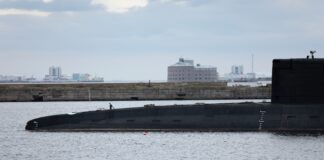
A New Underwater Robot Is Built to Hunt for Threats on...
Inspecting the underside of a ship is a difficult but important security task. Hulls can conceal structural damage, foreign objects or potentially dangerous devices...

Butterfly-Inspired Tech Could Give Tiny Robots Some Serious Muscle
Building robots at microscopic scales creates an unusual engineering problem: even the simplest movements become difficult to produce. Conventional motors, gears and hydraulic systems...

Israeli Drone Company Heads to Wall Street at a $1.5 Billion...
As militaries and security organizations deploy growing numbers of drones, robots, and autonomous systems, a new challenge is emerging: each platform comes with its...
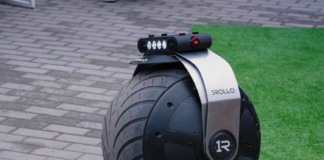
This One-Wheel Robot Could Replace Routine Security Patrols
Protecting large industrial sites, airports, campuses and critical infrastructure often requires continuous patrols over wide areas. Autonomous security robots are increasingly being used to...

This Color-Shifting Material Could Transform Robotic Precision
Vision has improved dramatically in modern robots, but touch remains one of the most difficult human senses to reproduce. Detecting exactly how much pressure...

This Spider-Inspired Robot Boat Can Find and Rescue People in the...
Every minute counts during water rescue operations. Whether responding to a person swept away by strong currents or someone struggling after a boating accident,...

Half Vehicle, Half Robot: Meet the New “Centaur” Machine
Robots designed for industrial inspection or emergency response often face a tradeoff. Wheeled platforms can move quickly and efficiently over long distances but struggle...
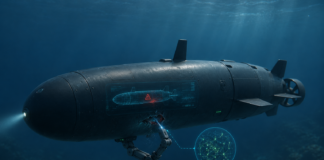
New Sensor Technology Helps Underwater Robots Detect and Recover From Damage
Underwater environments are notoriously demanding for electronic systems. Sensors used by divers and underwater robots must withstand pressure, moisture and constant mechanical stress while...
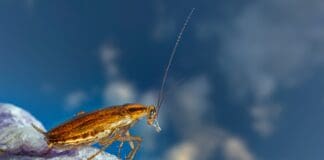
Scientists Built a Tiny Diving Suit for Cyborg Cockroaches
Collapsed buildings, flooded tunnels, and debris-filled drainage systems are among the most difficult environments for search-and-rescue teams to access after natural disasters. Small ground...
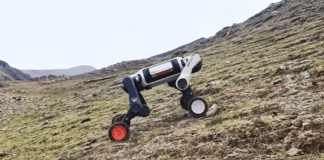
This Robot Dog Crosses Rivers, Climbs Mountains, and Keeps Going in...
Robots are increasingly being used for inspections, emergency response, and field operations in locations that are difficult or dangerous for people to reach. However,...
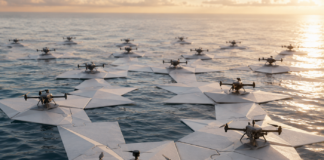
Meet the Robot Boats That Snap Together Like Lego
Building temporary infrastructure on water is often slow, expensive and labor-intensive. Whether the goal is creating a floating bridge after a natural disaster, deploying...

Inspired by Diving Birds, This Drone Masters Air and Sea
Collecting data at sea often requires researchers to choose between two very different types of vehicles. Aerial drones can quickly survey large areas but...

A Soft Robot Just Learned a Human-Like Sixth Sense
Most robots rely heavily on cameras and external tracking systems to understand their surroundings and control movement. But in cluttered, dark, or visually degraded...

Meet the Robot Dog Built to Survive Arctic Ice and Freezing...
Collecting data in the Arctic is often as challenging as the research itself. Beneath seemingly solid snow can lie hidden pools of icy water,...

A New Vision Sensor Mimics the Human Eye to Prevent Robotic...
One of the biggest challenges facing autonomous vehicles and robotic vision systems is adapting to rapidly changing lighting conditions. Cameras that perform well during...
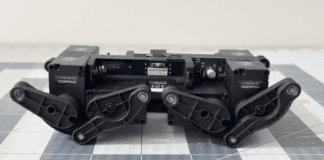
The Future of Robotics Might Be Smaller Than You Think
Legged robots have become increasingly capable in recent years, but most advanced quadruped systems remain expensive, complex, and difficult for students, hobbyists, and researchers...
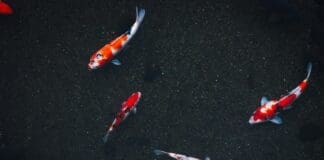
From Fish to Fleet: A New Approach to Underwater Robotics
Designing underwater robots that can move efficiently and adapt to changing currents remains a complex challenge. Traditional systems rely on external sensors and pre-programmed...
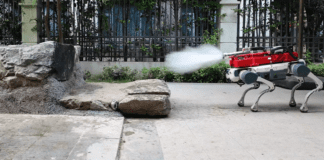
This Robot Dog Can Fight Fires While Keeping Crews Out of...
Firefighters frequently operate in environments where collapsing structures, intense heat, toxic smoke, and rapidly changing conditions pose significant risks. Entering these areas to extinguish...
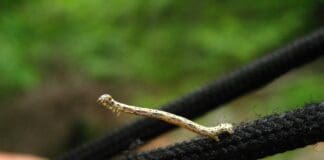
Meet the Worm-Inspired Robot Built for Places Wheels Can’t Reach
Traditional robots are typically built around rigid frames, motors, gears, and joints. While this design works well in structured environments, it becomes less effective...

A Sea Drone Just Dropped an Armed Robot Into Battle
Amphibious assaults are among the most dangerous military operations. Landing forces on a hostile shoreline typically exposes troops to artillery, machine-gun fire, mines and...
Latest

This Rifle Upgrade Times Every Shot to Help Hit Fast-Moving Drones
Small drones have become a difficult target for infantry. They can approach quickly, change direction and present a much smaller target than a conventional...



















