This post is also available in:
 עברית (Hebrew)
Modern military units are becoming increasingly dependent on electricity. Drones need regular charging, electronic warfare equipment can draw substantial power, and edge-computing systems must remain online to process data close to the battlefield. Supplying all of that energy becomes particularly difficult when forces operate away from fixed infrastructure and rely heavily on fuel-powered generators.
A new software-defined power system aims to make better use of the energy already available in the field. Chariot Defense has received a $7.6 million Defense Innovation Unit contract to deploy its Amphora technology with U.S. Army brigades under the Portable Resilient Integrated Storage Module (PRISM) program.
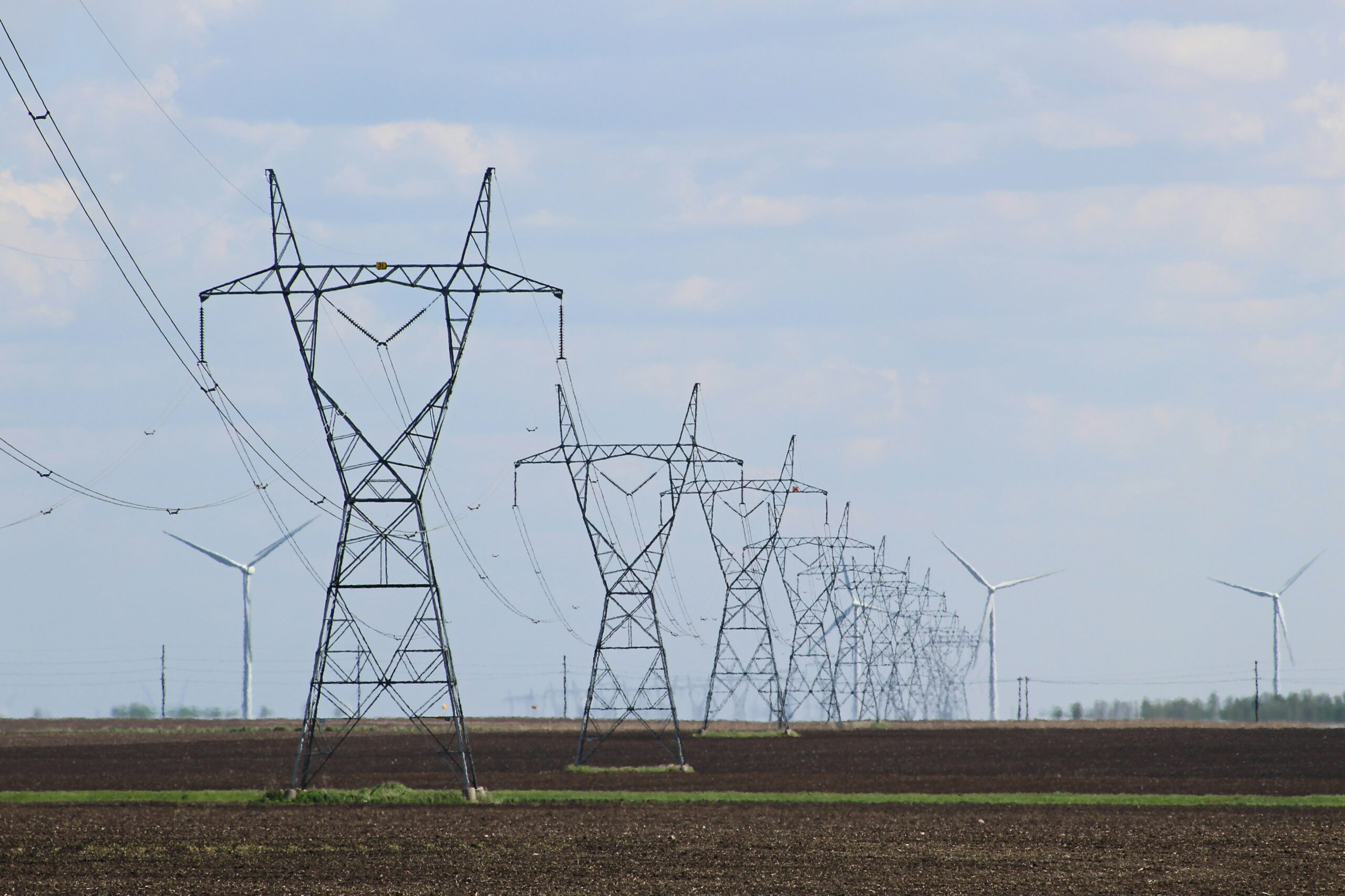
Rather than functioning simply as another battery, the technology acts as an intelligent management layer connecting multiple sources of electricity. It can integrate tactical generators, solar arrays and military vehicles into a common network and use software to determine where available power should go.
The system supports bidirectional energy flow, meaning electricity can move between connected sources and equipment instead of following a single fixed path. If one source has excess capacity while another part of the unit requires additional power, it can redistribute energy accordingly.
Importantly, the architecture is intended to work with hardware already in military inventories rather than requiring units to replace their existing generators and vehicles. According to Interesting Engineering, it also collects information about energy production and consumption, which can be shared with command-and-control systems to give personnel a clearer picture of available power.
One potential benefit is reducing dependence on generators. The company says it can lower fuel consumption by as much as 60% in combat scenarios by coordinating stored energy, alternative sources and generator use more efficiently.
That has operational implications beyond saving fuel. Generators produce noise and heat, potentially making deployed positions easier to detect. The company says its system can support up to 36 hours of silent operation, allowing equipment to draw from stored or alternative energy sources while generators remain switched off.
Reducing generator use can also decrease the frequency of fuel resupply. In contested areas, moving fuel to forward positions consumes personnel and vehicles while potentially exposing logistics convoys to attack.
The growing use of electrically demanding systems makes this increasingly relevant. Counter-drone equipment, communications hardware, autonomous platforms and electronic warfare systems may all compete for limited power at the same location. Software-based management could allow commanders to treat electricity as a shared tactical resource rather than a collection of disconnected generators and batteries.
The PRISM deployment will now test that concept with operational brigades. Systems are scheduled to enter the field this fall under a 12-month delivery timeline.
As battlefield technology becomes more computerized and autonomous, power availability increasingly determines which capabilities can remain operational. The tech’s approach is essentially to turn generators, vehicles and renewable sources into a small battlefield microgrid, and let software decide how to use every available watt more efficiently.