This post is also available in:
 עברית (Hebrew)
Public-safety officers often have to enter environments that remain dangerous even after the immediate emergency has passed. An explosion can leave unstable debris and hazardous materials behind, while chemical incidents may require personnel to approach substances before their risks are fully understood. Robots can reduce that exposure, but many existing machines struggle with environments, tools and infrastructure designed specifically for humans.
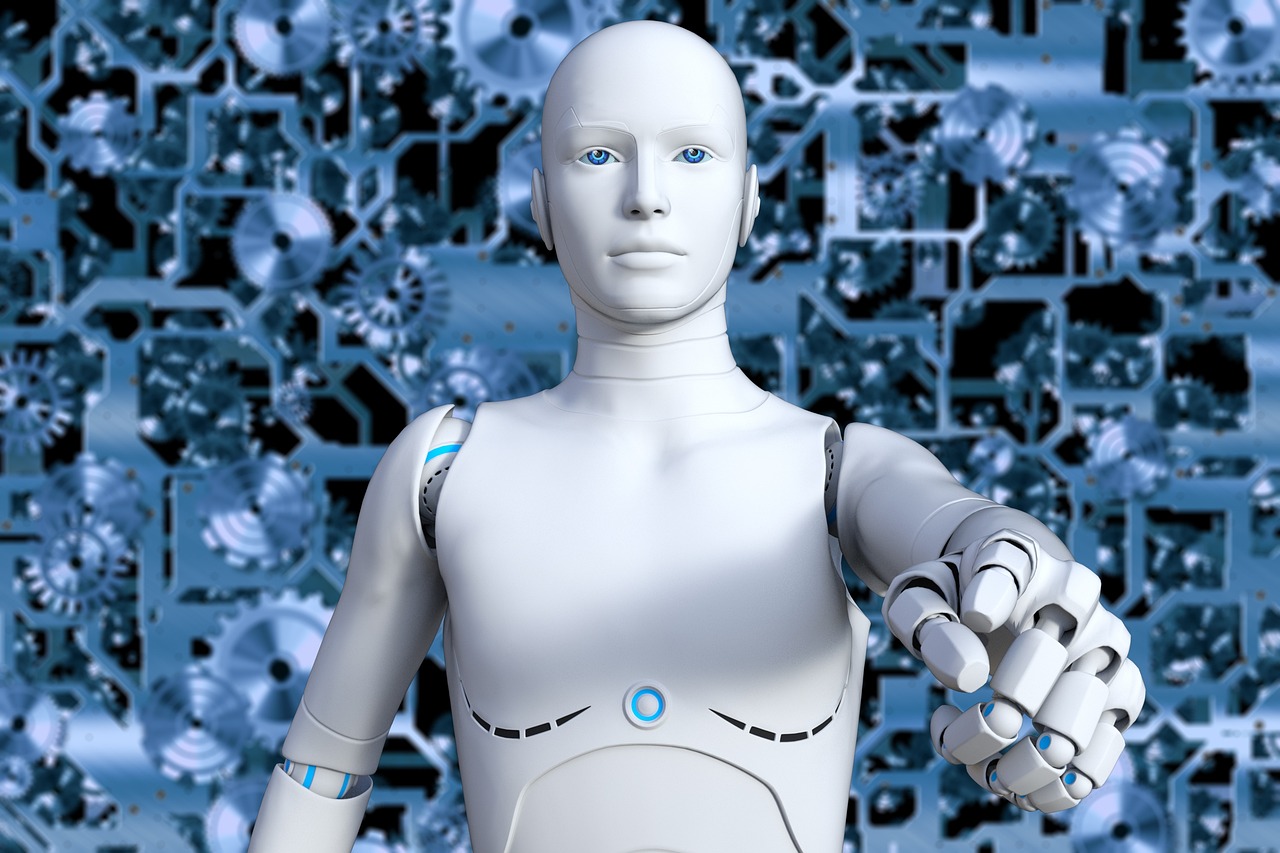
Singapore is developing AI-powered humanoid robots to address that problem, with plans to have the first system working alongside public-safety officers in a real operational environment by 2028.
The robots are being developed and trained at the new Home Team Humanoid Robotics Centre (H2RC), a facility built specifically around police, emergency-response and prison operations.
The humanoid form is central to the approach. Because the machines have human-like proportions and limbs, they can potentially move through spaces already designed for officers and manipulate existing equipment without requiring facilities to be rebuilt around robots.
The centre includes realistic training environments where engineers can test those abilities and collect data. According to Interesting Engineering, one area recreates an uneven post-blast scene containing debris, while another includes replicas of industrial pipes and valves that robots may need to manipulate during hazardous-material incidents.
Different humanoids are being developed for specific tasks.
One system intended for hazardous-material response could perform containment, mitigation and sample collection, reducing the need for personnel to approach dangerous substances.
Another is being developed for post-blast investigations. The remotely controlled humanoid can kneel and work close to the ground, allowing it to retrieve explosive fragments and perform investigative tasks in areas that may remain unstable or contaminated.
Prison operations present a different challenge. Humanoids could eventually search cells for contraband, with developers exploring dexterous hands, fine motor control and high-resolution tactile sensing so the machines can physically examine objects and confined spaces.
Less hazardous jobs are also being considered, including restocking medical equipment inside ambulances.
The facility includes an omnidirectional overhead mobility system that can support multiple robots during development, providing a safer environment for testing machines that are still learning to move reliably.
The longer-term objective is to move beyond robots that simply execute preprogrammed movements. Developers want embodied AI capable of perceiving its surroundings, reasoning about changing situations and choosing appropriate physical actions.
That distinction is particularly important in homeland security. A factory robot operates in a carefully controlled workspace; a bomb scene, prison cell or chemical incident does not.
Humanoid robots will therefore need to learn not only how to walk and manipulate objects, but how to do so reliably when the environment is damaged, unpredictable or dangerous.
The goal is not to remove officers from public safety operations. It is to put a machine between them and the parts of the job where sending a person first carries the greatest risk.