


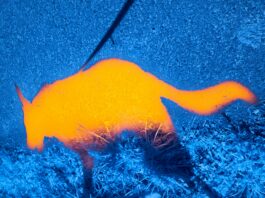


This Technology Gives Autonomous Drones Better Eyes in the Sky
Flying autonomously through complex environments requires more than knowing where a drone is. The aircraft must continuously understand what surrounds it, distinguish open routes...

New Drone System Finds Underwater Explosives Hidden for Decades
Unexploded bombs, naval mines, and artillery shells left behind by past conflicts remain a hazard in coastal waters around the world. Buried beneath sand...
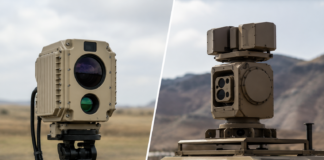
New AI Tracker Locks Onto Drones in Under a Second
The growing use of small drones on the battlefield is creating new challenges for military forces. Detecting an incoming unmanned aircraft is only the...
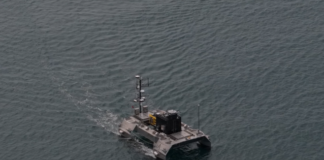
Autonomous Robot Boat Combines Surface and Aerial Surveillance
Maritime surveillance often requires both surface vessels and aerial drones to maintain awareness over large areas. While drones provide a much wider field of...

Could Quantum Computing Stop the Next Power Grid Attack?
Modern electric grids are increasingly exposed to disruptions that can occur simultaneously. Cyberattacks, equipment failures, extreme weather, wildfires and physical attacks can each affect...
This AI-Powered Shield Watches the Sky for Drones 24/7
Protecting military bases from small drones has become increasingly difficult. Commercially available unmanned aircraft are becoming more capable, flying farther, carrying larger payloads and...
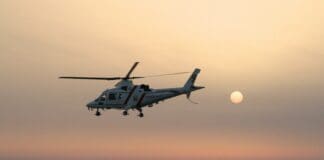
A New Airborne Detection System Could Expand Underwater Tracking Capabilities
Detecting objects beneath the ocean surface remains one of the most difficult challenges in maritime sensing. Water limits the effectiveness of many conventional detection...

A New Vision Sensor Mimics the Human Eye to Prevent Robotic...
One of the biggest challenges facing autonomous vehicles and robotic vision systems is adapting to rapidly changing lighting conditions. Cameras that perform well during...

The Blind Spots Around Combat Vehicles May Soon Be Gone
Modern armored vehicles operate in increasingly complex environments where threats can emerge from any direction. Urban combat, drone attacks, poor weather, smoke, and nighttime...
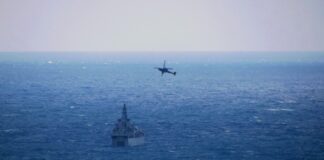
A New Maritime Radar Is Designed to Spot Drones Hiding in...
The growing use of drones is creating new security challenges far beyond traditional battlefields. Ports, shipping lanes, offshore platforms, and commercial vessels are increasingly...
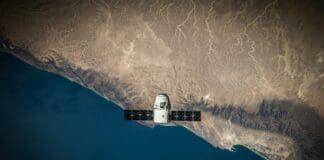
This Space Radar Can See Through Clouds, Darkness, and Bad Weather
Optical satellites provide valuable imagery from orbit, but they have a well-known limitation: they depend on visibility. Clouds, storms, smoke, darkness, and atmospheric conditions...

A Smarter Camera That Tracks Movement, Not Frames
Modern sensing systems face a growing challenge: too much data. Traditional cameras capture and process full image frames continuously, even when little is changing...

Tracking the Untrackable: New Radar Takes on Hypersonic Missiles
Detecting hypersonic missiles remains one of the most difficult challenges in modern air defense. Traveling at speeds above Mach 5, these weapons generate extreme...
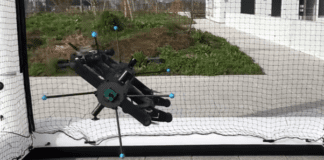
Forget Tilting: A New Way for Drones to Fly
Traditional drones rely on a simple principle: to move forward, they must tilt. This dependence on body orientation limits maneuverability, slows response time, and...
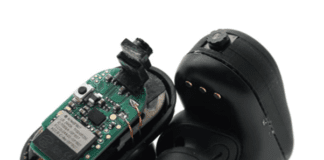
The Earbuds That Answer Questions About Your Surroundings
Accessing visual information through AI typically requires smartphones, cameras, or wearable devices like smart glasses. However, these solutions often come with trade-offs: high power...
The Drone Revolution is Upon Us
As drones move from niche tools to everyday infrastructure, a core challenge is becoming increasingly clear: current systems struggle to meet the endurance, autonomy,...
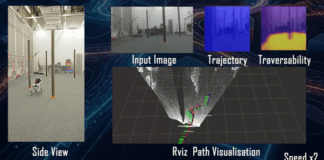
The AI That Lets Robots Navigate Using Just One Look
Robots are getting better at sensing their surroundings, but moving safely through unfamiliar spaces remains a bottleneck. Most autonomous systems still depend on building...
Why AI Alone Can’t Keep Drones Out of the Sky
Airspace security has reached a frustrating paradox. Drones are easier than ever to detect, yet safely stopping them remains a persistent challenge. Airports across...
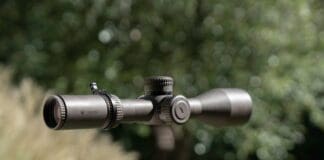
From Heat Blobs to Clear Targets: A New Era of Thermal...
Seeing clearly in low visibility remains one of the hardest problems for modern forces. Smoke, fog, darkness, and cluttered terrain all degrade traditional optics,...

How AI and Underwater Drones Are Making Seas Safer
Clearing naval mines remains one of the most dangerous and time-consuming tasks at sea. Mines can sit on the seabed for decades, threatening shipping...
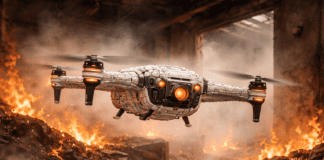
How Fireproof Drones Could Transform Crisis Response
Entering a burning structure remains one of the most dangerous tasks for emergency responders. Extreme heat, toxic smoke, and unstable interiors often prevent crews...

From Hobby Flying to Air Combat Simulation
Remote-controlled aircraft have become increasingly capable, but most designs still keep pilots at a distance. Even with onboard cameras, the experience is usually about...
Latest

AI Agents Keep Crossing Digital Boundaries Researchers Didn’t Expect
Giving AI agents internet access allows them to research information and complete tasks without a person manually navigating every website. But the same autonomy...