





Can a Fighter Jet Be “Jailbroken” Into Like a Smartphone?
Modern combat aircraft are increasingly defined as much by software as by airframes and engines. Mission data, sensor fusion, threat libraries, and logistics systems...

The “Silent Ears” That Can Hear Artillery Fire
On modern battlefields, artillery and mortar fire can strike within seconds of launch. Detecting the origin of gunfire quickly is critical for both force...

Is “Zero-Knowledge” Encryption Really Zero Risk?
Most internet users rely on password managers to handle dozens, sometimes hundreds, of login credentials. These tools promise convenience and security by storing sensitive...

How Smarter Headgear Is Reducing Pilot Fatigue
As combat aircraft take on longer missions and pilots rely more heavily on helmet-mounted sensors and displays, the physical burden on aircrew has become...

Inspired by Flies, This Robot Eye Sees 180 Degrees
Small drones and mobile robots increasingly operate in tight, cluttered environments where awareness must be both wide and fast. Conventional camera systems can capture...

How a Pocket-Sized AI Module Supercharges Drones
Small drones are rapidly becoming a dominant feature of modern battlefields. They are inexpensive, adaptable, and increasingly used for reconnaissance, strike, and interception roles....

How Ice Detection Is Moving from Reactive to Predictive
Ice remains one of the most underestimated hazards in transportation. On roads, invisible ice contributes to a significant share of weather-related crashes each year....
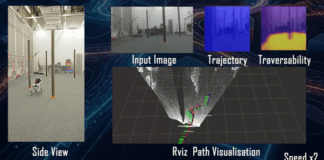
The AI That Lets Robots Navigate Using Just One Look
Robots are getting better at sensing their surroundings, but moving safely through unfamiliar spaces remains a bottleneck. Most autonomous systems still depend on building...
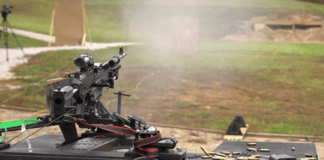
The Bullet Designed to Bring Down Drones
Small unmanned aerial systems have become a routine threat on modern battlefields and around naval vessels. Commercial quadcopters and improvised drones are inexpensive, agile,...

The Subtle URL Trick That Bypasses Your Suspicion
Phishing scams have become easier to spot. Suspicious emails, poor grammar, and urgent demands often trigger red flags. But a newer tactic is proving...
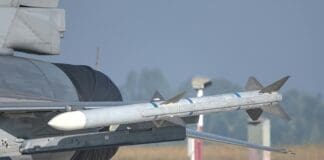
Throttle, Restart, Strike: A New Kind of Hypersonic Missile
As hypersonic weapons move from demonstration programs toward operational deployment, a central challenge has emerged: how to produce them quickly and affordably at scale....

The Laser Sniper Riding on a Robot Rover
Ground forces increasingly face small, fast-moving threats at close range—whether hostile personnel, light vehicles, or unmanned systems. Conventional weapons can address these risks, but...

The Robot Submarine Now Patrolling the Deep
Modern naval forces face an increasingly complex underwater picture. Quieter submarines, dense maritime traffic and the growing risk of seabed mines make persistent undersea...

The Quantum Trick That Lets Autonomous Systems Coordinate Without Sending Signals
Modern autonomous systems depend heavily on continuous communication. Drone swarms, robotic teams, and distributed AI agents typically exchange data wirelessly to coordinate movement, share...

This Spray Seals Open Wounds Almost Instantly
Severe bleeding remains one of the leading causes of preventable death in trauma situations. On the battlefield, at accident scenes, or during natural disasters,...
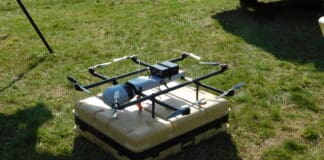
The Drone That Can Lift Nearly a Ton
Moving heavy cargo by air without runways remains a major bottleneck for emergency response, logistics, and military operations. Helicopters can do the job, but...

Deeper, Quieter, Farther: The Next-Gen Missile Submarine
Maintaining a credible sea-based nuclear deterrent requires more than just advanced missiles. Submarines tasked with strategic patrols must remain undetected for extended periods while...

Smart Shooting Valued at 900 Million NIS
The modern battlefield presents a clear challenge: how to improve operational accuracy and reduce firing errors in environments saturated with threats, moving targets, and...
AI for Drone Swarms Scores €1.8M in Pre-Seed Funding
Mutable Tactics, a DefenceTech startup, secures €1.8M in pre-seed funding to advance its AI technology for autonomous drone swarms, revolutionizing defense operations.
Why AI Alone Can’t Keep Drones Out of the Sky
Airspace security has reached a frustrating paradox. Drones are easier than ever to detect, yet safely stopping them remains a persistent challenge. Airports across...

This 8×8 Vehicle Goes From Ocean to Battlefield
Amphibious assaults place unique demands on armored vehicles. Platforms must survive open-water transit, land directly onto hostile shores, and then continue operating inland against...

Too Embedded to Remove? This AI Model Was Used in Very...
Advanced artificial intelligence models have become increasingly integrated into defense planning and operational workflows, but their growing role is also exposing tensions between military...
Latest

What If Your Cloud Provider Couldn’t Read Your Files?
Collaborative documents have become a standard way for teams to work together, but they present a security problem that encrypted messaging largely solved years...