

This post is also available in:
 עברית (Hebrew)
As hypersonic weapons move from demonstration programs toward operational deployment, a central challenge has emerged: how to produce them quickly and affordably at scale. Many existing concepts rely on complex air-breathing propulsion or expensive thermal protection systems, limiting production rates and increasing costs. For armed forces seeking credible high-speed strike capabilities, scalability has become as important as raw performance.
A newly introduced hypersonic missile system, known as HAVOC, is positioned as a response to that gap. The system is built around a liquid rocket engine that uses storable propellants and is engineered for tactical use. Unlike air-breathing hypersonic systems, the propulsion approach is described as significantly less costly, with production optimized through additive manufacturing and modern fabrication methods.
Designed from the outset for mass production, the missile is intended to be delivered in significant numbers rather than as a limited set of high-end prototypes. According to Interesting Engineering, in addition to serving as an operational weapon, the system can also function as a hypersonic target for testing and training, supporting both deployment and evaluation needs.
One of its distinguishing features is its throttle and restart capability across all phases of flight, including boost, cruise and terminal stages. This allows greater flexibility in maneuvering and mission planning compared to traditional boost-glide systems. Because the engine can be actively controlled during flight, the design does not require the same level of costly thermal protection typically associated with sustained hypersonic speeds, reducing complexity and supply chain demands.
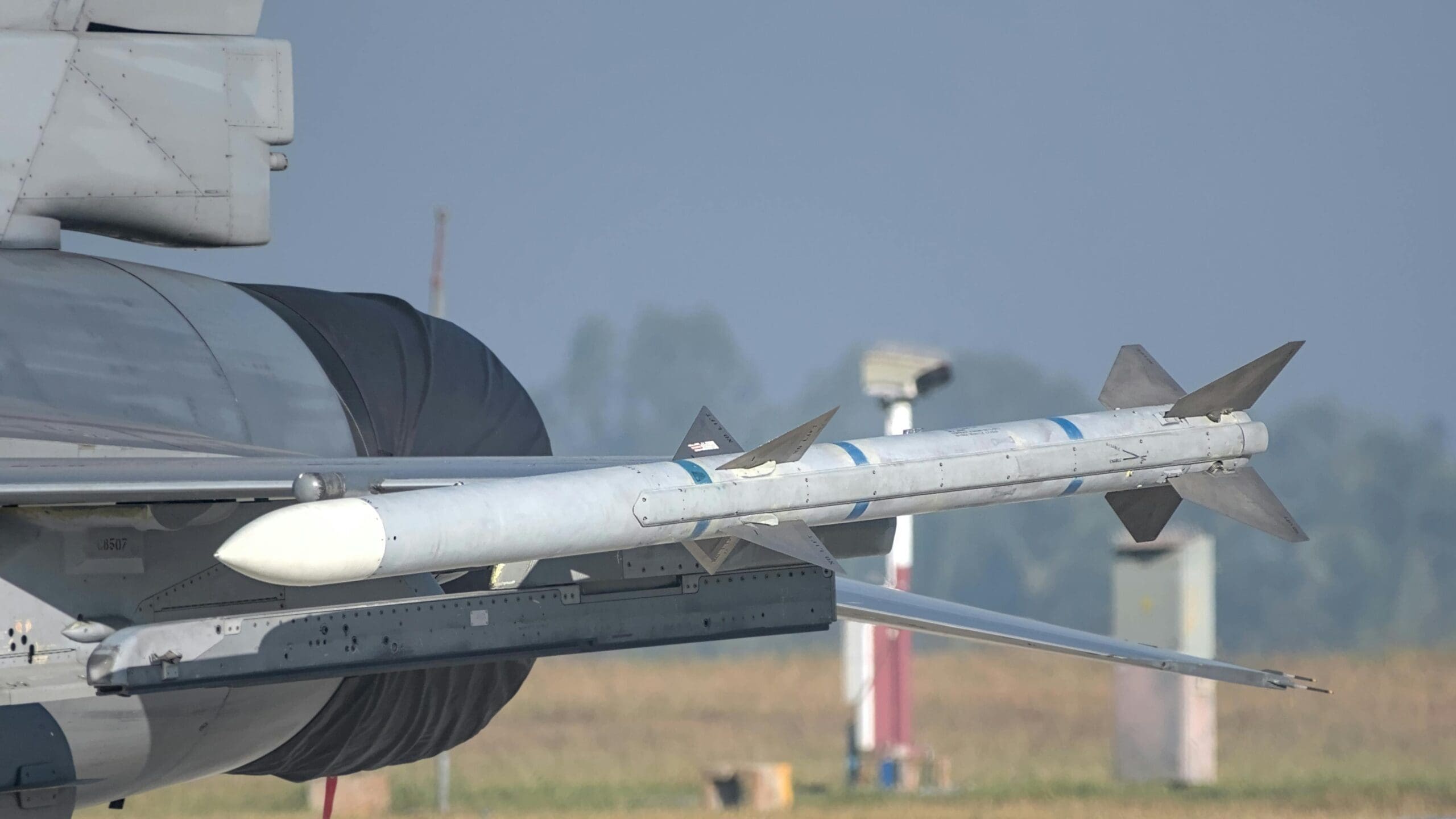
The missile is capable of operating both within the atmosphere and beyond it, offering endo- and exoatmospheric engagement options. Its modular architecture supports integration with different solid rocket motor boosters, enabling deployment from fighter aircraft, bombers, ship-based vertical launch systems and ground launchers. Depending on configuration, engagement ranges extend hundreds of miles.
From a defense perspective, the emphasis on production scalability and platform flexibility reflects a broader shift in hypersonic development. Rather than focusing solely on cutting-edge performance, current efforts are increasingly aligned with rapid manufacturing, cost control and integration across existing launch infrastructure.























