

This post is also available in:
 עברית (Hebrew)
Modern combat aircraft are increasingly defined as much by software as by airframes and engines. Mission data, sensor fusion, threat libraries, and logistics systems are all controlled through tightly managed digital architectures. For operators of advanced fifth-generation jets, access to updates and configuration controls is often centralized and regulated by the original manufacturer.
Recent remarks by a European defense minister have drawn attention to this reality, suggesting that it may be technically possible to “jailbreak” the software of a frontline stealth fighter in a manner similar to unlocking a consumer device. In this context, jailbreaking would mean removing manufacturer-imposed software restrictions to allow a user nation to modify or customize systems independently.
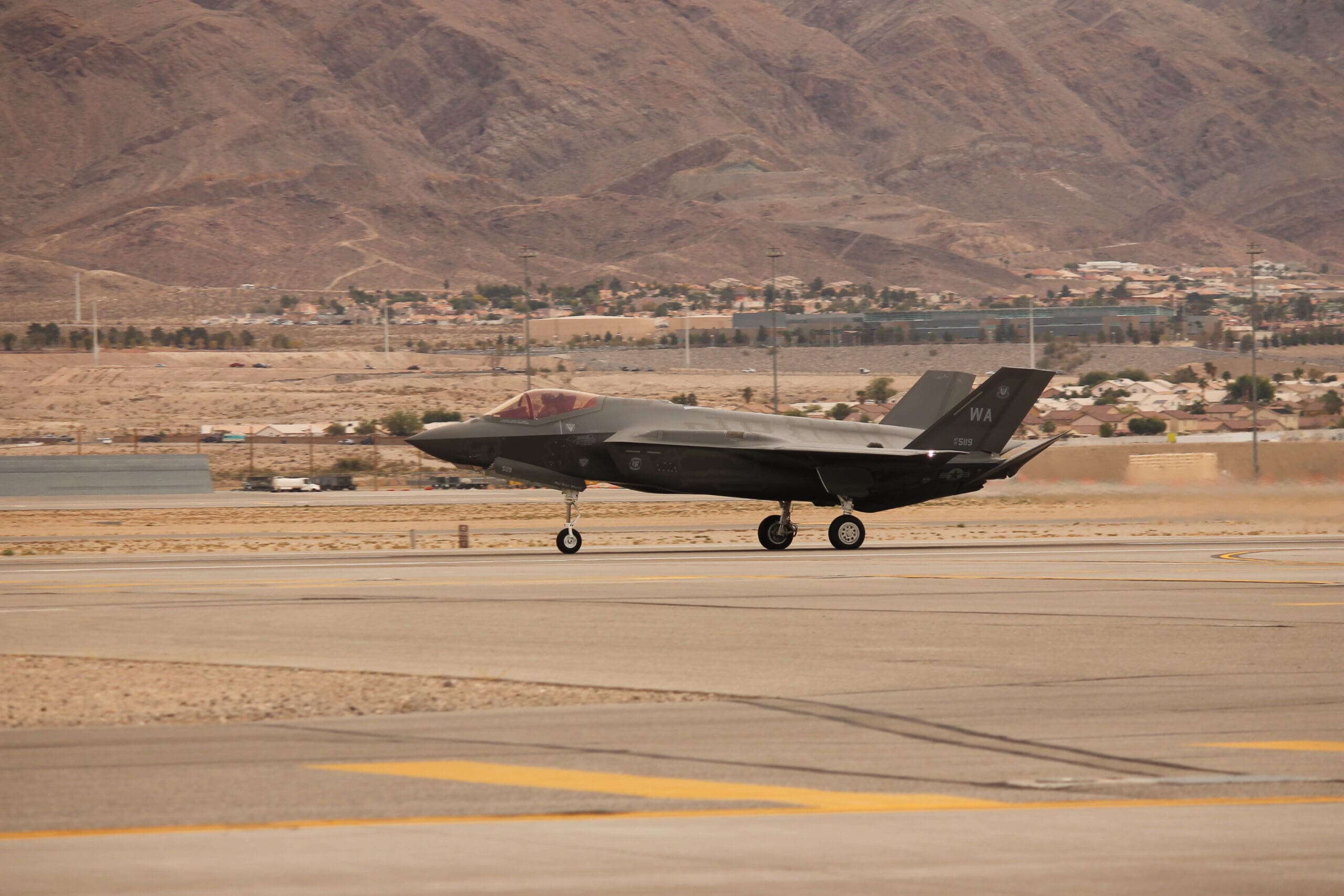
The discussion highlights a broader issue: how modern aircraft rely on cloud-connected logistics and mission data networks. The F-35 program, for example, uses a centralized digital backbone for maintenance management, software updates, and the uploading of mission data packages. These packages contain sensitive information such as threat parameters and operational configurations. Updates are distributed through a secure, cloud-based architecture designed to ensure standardization and control across the global fleet.
Such an approach offers benefits in terms of uniform capability, rapid patching, and coordinated upgrades. However, it also creates strategic dependence. According to Interesting Engineering, most customer nations cannot independently alter core software systems or integrate proprietary modifications without authorization. Only a limited number of operators have negotiated special arrangements allowing deeper customization.
From a defense and homeland security perspective, the concept of “jailbreaking” underscores two key themes: cybersecurity and sovereignty. On one hand, tightly controlled software reduces the risk of unauthorized modifications that could compromise safety or security. On the other hand, reliance on external networks and supply chains raises questions about operational autonomy during periods of geopolitical tension.
There is no public evidence that the aircraft in question suffers from specific cybersecurity vulnerabilities. Rather, the debate centers on control—who can modify mission systems, how updates are managed, and what happens if access to centralized networks is restricted.
As advanced platforms become more software-driven, issues of digital control, interoperability, and national customization are likely to grow in importance. The conversation reflects a wider shift in military technology: airpower is no longer just about hardware performance, but about the code that governs it.























