
This post is also available in:
 עברית (Hebrew)
Small drones approaching ships, ports and coastal installations create a difficult defensive problem. They can fly low, arrive in numbers and cost far less than many conventional air-defense missiles. Maritime environments add another challenge: counter-drone equipment must tolerate saltwater, moisture and other conditions that can quickly degrade systems originally designed for use on land.
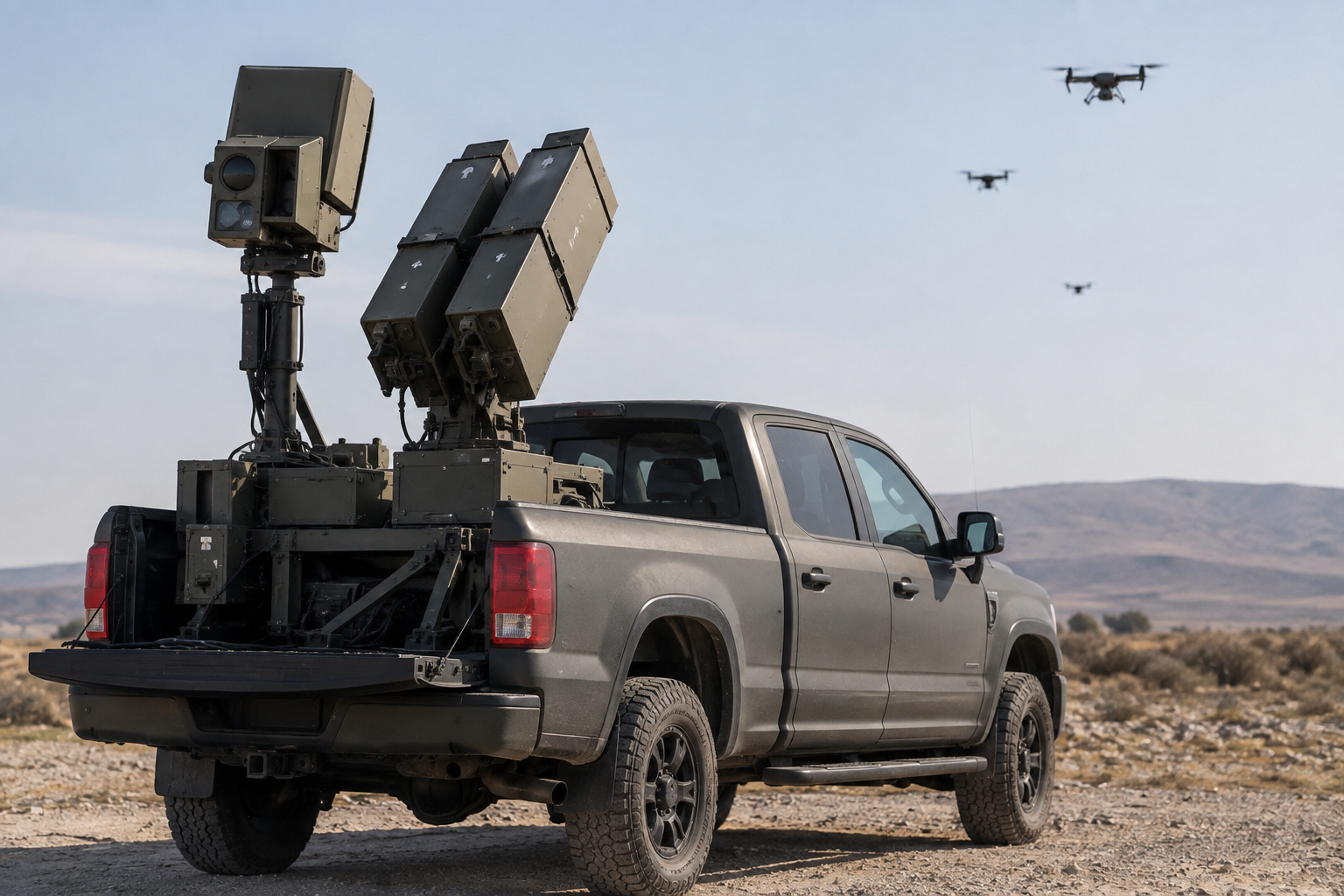
The U.S. Navy has selected VAMPIRE, a modular counter-unmanned system developed by L3Harris Technologies, for littoral defense. The company is adapting and ruggedizing the weapon for maritime environments, although the number of systems, contract value and delivery schedule have not been disclosed.
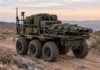
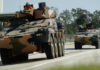
Short for Vehicle-Agnostic Modular Palletized Intelligence, Surveillance and Reconnaissance Rocket Equipment, it is designed as a self-contained kit rather than a dedicated combat vehicle. It can be mounted on many platforms with a suitable cargo bed, allowing forces to add counter-drone firepower without purchasing an entirely new vehicle.
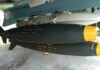
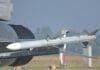
The system combines surveillance and targeting equipment with a launcher for precision-guided weapons. One available configuration uses 70mm Advanced Precision Kill Weapon System (APKWS) rockets, which convert relatively simple rockets into laser-guided munitions capable of steering toward an illuminated target.
According to Interesting Engineering, when equipped with, it can engage targets at distances of up to 15 kilometers. The company has not confirmed which ammunition will accompany the Navy systems, so that range should not be assumed for the specific configuration being delivered.
It is intended to counter drones and other remotely operated systems. The wider system family can incorporate sensors, electronic jammers and other non-kinetic effectors, while AI and machine-learning tools are used to help accelerate the process of finding and responding to small unmanned threats.
For maritime use, the company says it is adding new capabilities and modifying the equipment to withstand environmental stresses encountered near the sea. Specific changes have not been disclosed.
The system is also designed to become one component of a broader defensive network rather than operate alone. The company’s Wraith Shield software can use radios as sensors to contribute information about drone activity, while its Drone Guardian system combines multiple sensors for autonomous detection, tracking and identification.
Those layers address different stages of a counter-UAS engagement. Sensors first need to discover and classify the aircraft; electronic systems may provide a non-kinetic response; and a precision weapon such as this can provide a physical interception option when required.
The Navy’s selection reflects the changing economics of coastal defense. Small unmanned aircraft do not necessarily justify large, expensive interceptors, but they still need to be stopped before reaching ships or critical infrastructure. A modular launcher using relatively small precision-guided rockets offers another option between electronic countermeasures and traditional air-defense missiles.