This post is also available in:
 עברית (Hebrew)
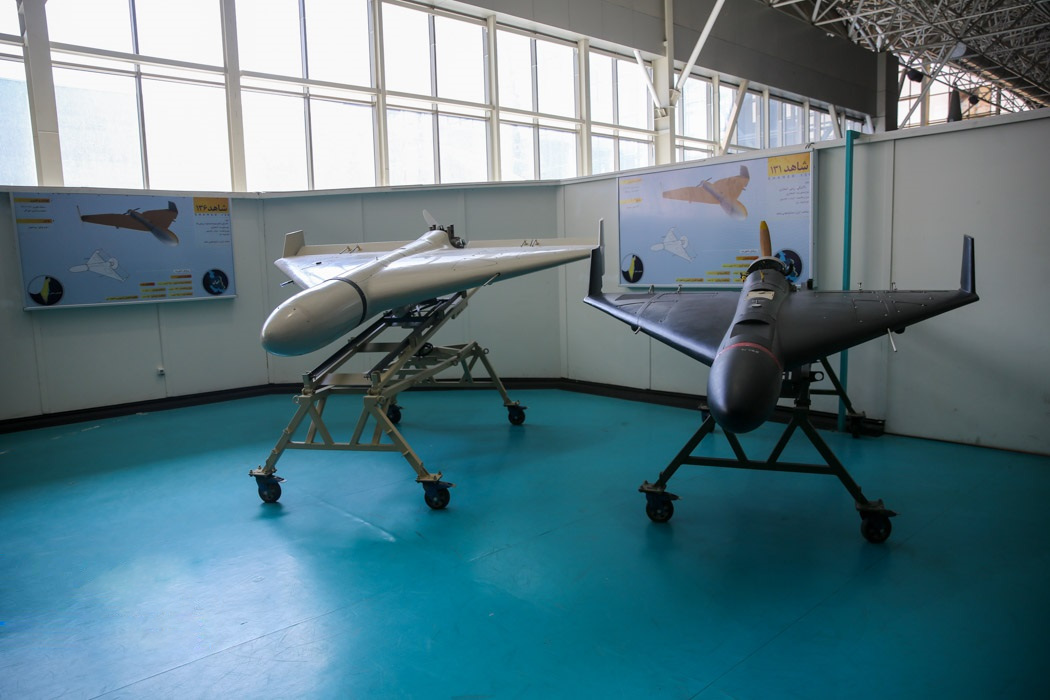
Mass attacks by one-way drones have created an increasingly difficult problem for air-defense forces. Systems such as the Shahed family can be launched in large numbers, forcing defenders to track and engage numerous targets over wide areas. Using conventional surface-to-air missiles against every incoming drone can also create an unfavorable cost equation, increasing demand for smaller interceptors designed specifically for unmanned threats.
Ukraine has added a new option to that defensive layer with Alexa Spatium, a jet-powered interceptor drone designed to engage Shahed-type aircraft and other aerial targets. According to Ukraine’s Ministry of Defence, the system has completed testing and entered service with the country’s armed forces.
Measuring approximately 1.5 by 1.7 meters, it uses a turbojet engine rather than the propeller propulsion common to many smaller counter-drone aircraft. The platform is launched from a mobile catapult that can reportedly be prepared within minutes, reducing its dependence on runways or permanent launch infrastructure.
According to NextGenDefense, the interceptor can operate either under direct control or follow a preplanned route, giving operators different options depending on the mission and communications environment. Electro-optical and infrared sensors provide imagery for searching, identifying and engaging aerial targets, while separate control and video links support command and transmission of sensor feeds.
One unusual feature is its potential for recovery. If it does not complete an interception, it can return to its launch location for reuse rather than automatically being lost. For counter-drone operations, where defenders may need to launch repeatedly during large raids, recovering unused interceptors could help reduce costs.
The aircraft also uses a modular architecture and can reportedly accommodate several warhead types, including high-explosive fragmentation, shaped-charge and thermobaric configurations. Specific performance figures for its speed, range and maximum altitude have not been publicly disclosed, although the defense ministry describes it as having an extended combat radius and high operational ceiling.
Its primary targets include several one-way attack drones currently encountered by Ukrainian forces, including the Shahed-131 and Geran-3, Geran-4 and Geran-5. The system is also intended to engage reconnaissance UAVs and rotary-wing aircraft.
During development, engineers emphasized rapid deployment, automation and the ability to operate under difficult battlefield conditions. The mobile catapult and limited site requirements are intended to let crews establish interception positions without preparing conventional aviation facilities.
It reflects a broader shift in counter-UAS defense toward purpose-built drone interceptors. Rather than relying exclusively on expensive missile systems or gun-based defenses, jet-powered unmanned aircraft can provide another layer aimed at meeting fast aerial threats with a platform designed around the economics and operational demands of sustained drone warfare.