This post is also available in:
 עברית (Hebrew)
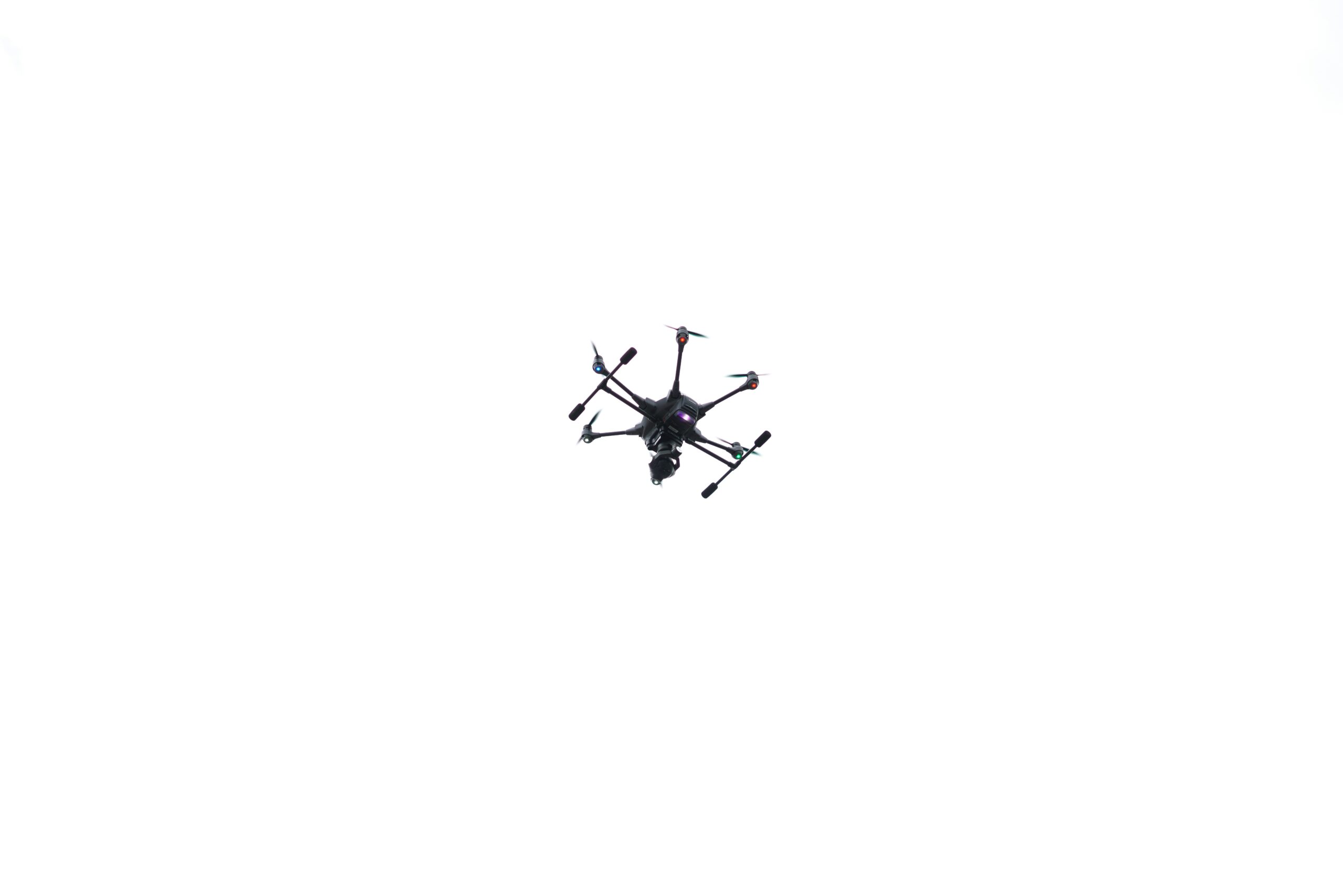
Protecting military bases from small drones has become increasingly difficult. Commercially available unmanned aircraft are becoming more capable, flying farther, carrying larger payloads and operating at lower altitudes where they can be difficult to detect. Relying on a single sensor is often not enough, as radar, cameras and radio-frequency detectors each have strengths and limitations depending on weather, terrain and the type of drone.
To improve detection, the U.S. Air Force is expanding its use of a layered counter-drone architecture by integrating Teledyne FLIR Defense’s Argus XL platform into AeroVironment’s Titan Multi-Sensor system. The deployment is part of the Domestic Shield Program, a three-year $500 million initiative aimed at strengthening protection for military installations and other critical infrastructure against emerging aerial threats.
Rather than depending on a single detection method, the platform combines multiple sensing technologies into one integrated platform. Radar continuously scans the surrounding airspace for airborne objects, while electro-optical and infrared cameras provide visual and thermal imagery to help identify and classify detected targets. The information from all sensors is then fused by command-and-control software into a single operational picture, enabling operators to understand what is happening around a protected site in real time.
According to Interesting Engineering, this multi-sensor approach is particularly valuable when tracking small and micro drones, which may be difficult to detect consistently using radar or cameras alone. By comparing data from multiple sensors, the system reduces blind spots and improves target classification, helping operators distinguish genuine threats from birds or other objects that might otherwise generate false alarms.
The platform is also designed around an open architecture, allowing military users to integrate third-party radio-frequency sensors and 24/7 aerial monitoring into future counter-drone systems without redesigning the entire network. Operational data collected during surveillance missions is stored for later analysis, providing valuable information for investigations and system optimization.
Counter-drone technology has become a growing priority for defense organizations worldwide. Military bases, airports, ammunition depots and government facilities increasingly require persistent surveillance capable of detecting drones before they approach sensitive areas. Combining radar, optical sensors and centralized command software creates a layered defense that improves both detection range and response time.
The latest integration strengthens the sensing backbone of the architecture, extending its ability to monitor protected airspace 24 hours a day under a wide range of weather conditions. As drone threats continue to evolve, systems that fuse information from multiple sensors are expected to become an increasingly important part of base security, providing earlier warning and a more complete understanding of the airspace before countermeasures are deployed.