This post is also available in:
 עברית (Hebrew)
Modern fighter operations place growing cognitive and physical demands on pilots. High-speed engagements, dense sensor inputs, and operations at night or in poor weather all compete for attention inside a cramped cockpit. Traditional helmet displays and add-on night vision goggles add weight and latency, while forcing pilots to shift focus between multiple visual sources—an issue that can slow reaction times when seconds matter.
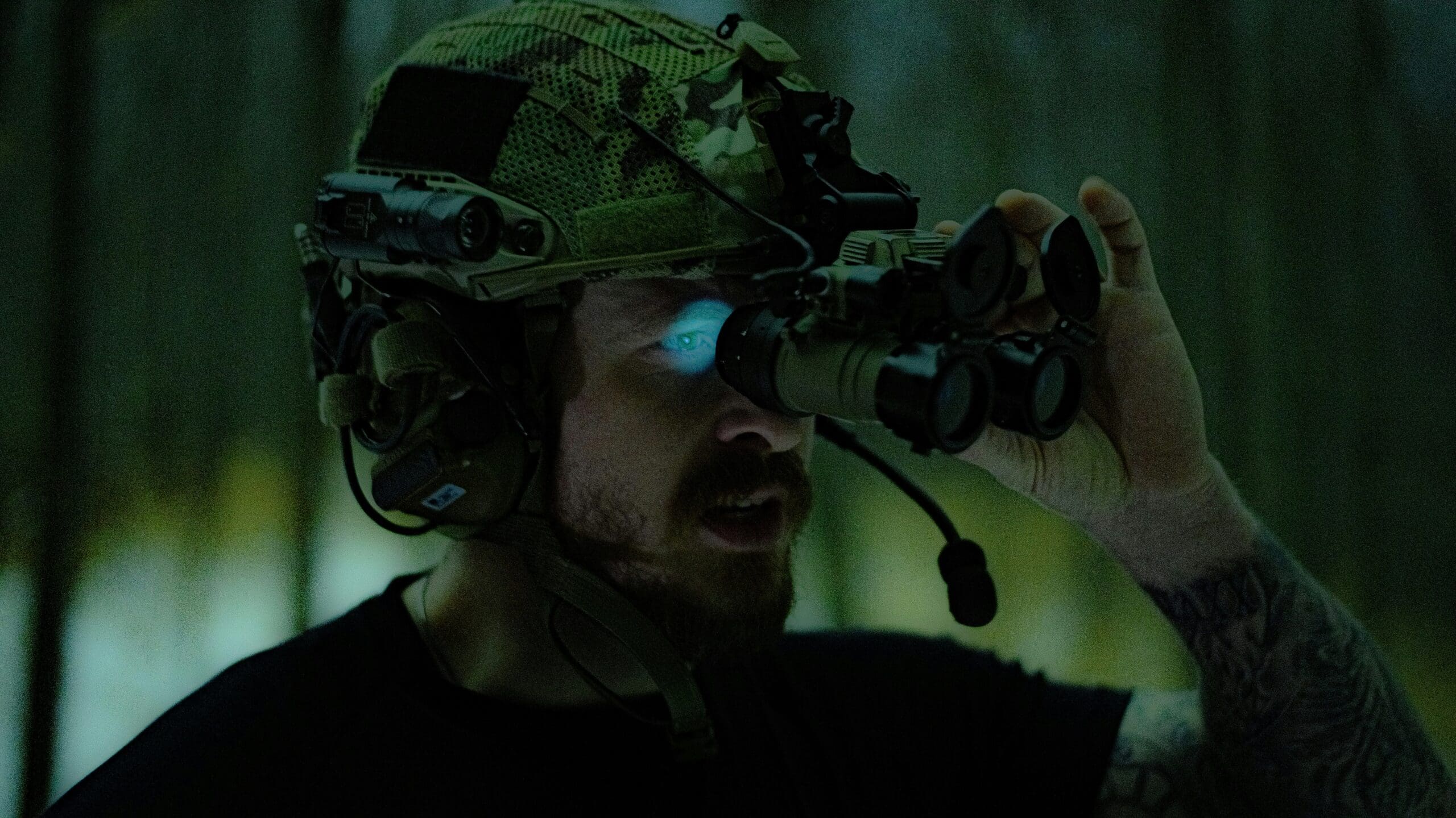
A new helmet-mounted display system is designed to address those challenges by integrating sensing, visualization, and night operations into a single digital layer. The Zero-G Helmet Mounted Display System+ (HMDS+) has now passed a design milestone, clearing the way for full integration and testing on carrier-based fighter aircraft. The system is intended to replace earlier-generation helmet displays across F/A-18E/F Super Hornets and EA-18G Growlers, covering more than 750 aircraft in active service.
According to The Defense Post, at its core, the helmet delivers a high-definition, binocular view of the battlespace with near-zero latency. An advanced multicore processor and higher refresh rates allow sensor data, symbology, and targeting cues to update almost instantly as the pilot moves their head. Instead of relying on separate night vision goggles, the helmet incorporates a digital low-light camera that feeds a clear, fused image directly into the visor, reducing weight and improving comfort during long sorties.
Naval and electronic-attack aircraft often operate at night, over water, and in complex threat environments where situational awareness can quickly degrade. A helmet that fuses aircraft and sensor data directly into the pilot’s line of sight supports faster decision-making, improves coordination with other assets, and enhances survivability in contested airspace.
The system is optimized for the Super Hornet and Growler mission sets. Its lighter, pilot-centric construction is intended to reduce neck strain during maneuvers, while still supporting increasingly complex avionics and sensor fusion requirements.
With the design phase complete, the program now moves into airworthiness trials and full avionics integration. Initial operational capability is planned for 2027. As fighter aircraft continue to evolve, the helmet reflects a broader trend: shifting more mission management and sensing directly onto the pilot’s helmet, turning it into a primary interface for modern air combat rather than a supporting accessory.