

This post is also available in:
 עברית (Hebrew)
Naval platforms are being asked to do more for longer, often in environments that place heavy strain on hulls, propulsion systems, and onboard electronics. Near-shore operations, extended deployments, and evolving mission profiles mean that ships designed a decade ago must be adapted to remain effective today. Without regular modernization, even capable vessels risk falling behind operational requirements.
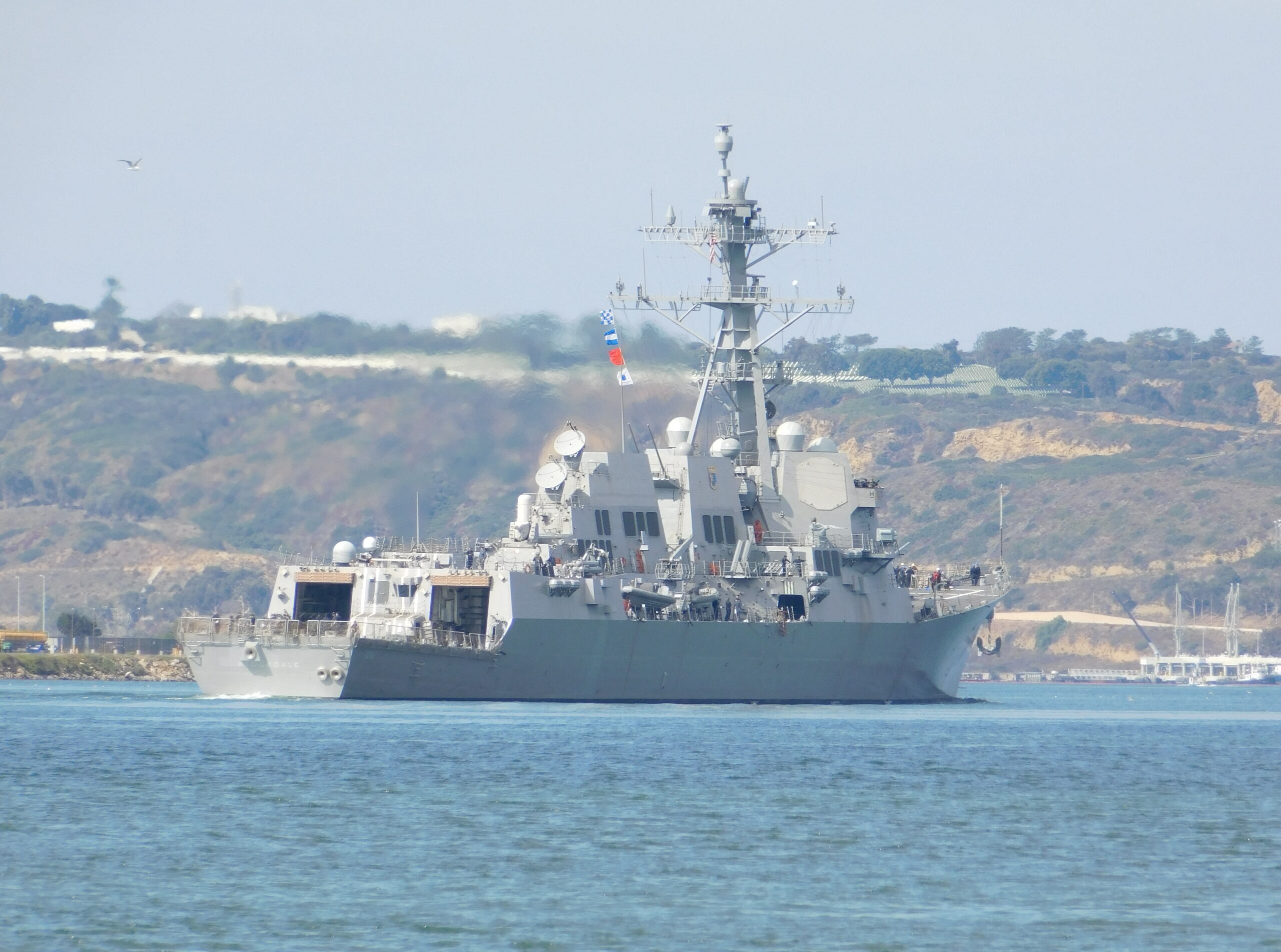
A planned upgrade program for two surface combatants reflects how navies are addressing that challenge. A guided missile destroyer weighing roughly 9,200 tons and a lighter combat ship of about 3,000 tons are scheduled to undergo comprehensive maintenance and system upgrades aimed at extending their service life and improving readiness. The work will focus on restoring structural integrity below the waterline, refreshing key onboard systems, and improving habitability for crews.
According to Interesting Engineering, for the smaller combat ship, a docking period will allow engineers to carry out underwater hull preservation and address wear caused by high-speed operations in coastal waters. Onboard systems will be updated, and crew spaces will be refurbished to better support long deployments. Although relatively light, this class of ship is built for speed and agility, operating at more than 40 knots and carrying out missions close to shore where maneuverability is critical.
The larger destroyer will undergo a similar maintenance cycle, with additional attention given to its superstructure and internal tanks. Preserving fuel and ballast tanks is a key aspect of keeping large warships operational, particularly those designed to operate across multiple theaters. Upgrades to internal spaces are also part of the effort, reflecting the growing recognition that crew endurance and living conditions directly affect operational performance.
From a defense perspective, these upgrades are not merely routine maintenance. Littoral combat ships are designed to counter coastal threats such as fast attack craft, mines, and submarines in shallow waters. Guided missile destroyers, meanwhile, form the backbone of fleet air defense and surface strike capabilities. Keeping both platforms modernized ensures they can continue supporting sea control, maritime security, and deterrence missions.
The contrast between the two vessels highlights a broader trend in naval planning. Rather than relying on a single type of ship, fleets increasingly depend on a mix of fast, mission-focused platforms and heavily armed multi-role combatants. Regular modernization allows each to adapt to new technologies and operational demands without requiring entirely new hulls.
As maritime environments become more contested and maintenance windows tighter, systematic upgrades like these play a quiet but essential role in keeping fleets ready for real-world operations.























