

This post is also available in:
 עברית (Hebrew)
The ability to continuously monitor operational activity and infrastructure presents a significant challenge for governments and defense agencies. Traditional surveillance methods are often limited by weather conditions, darkness, or the ability to conceal activities within buildings, creating critical gaps in intelligence gathering.
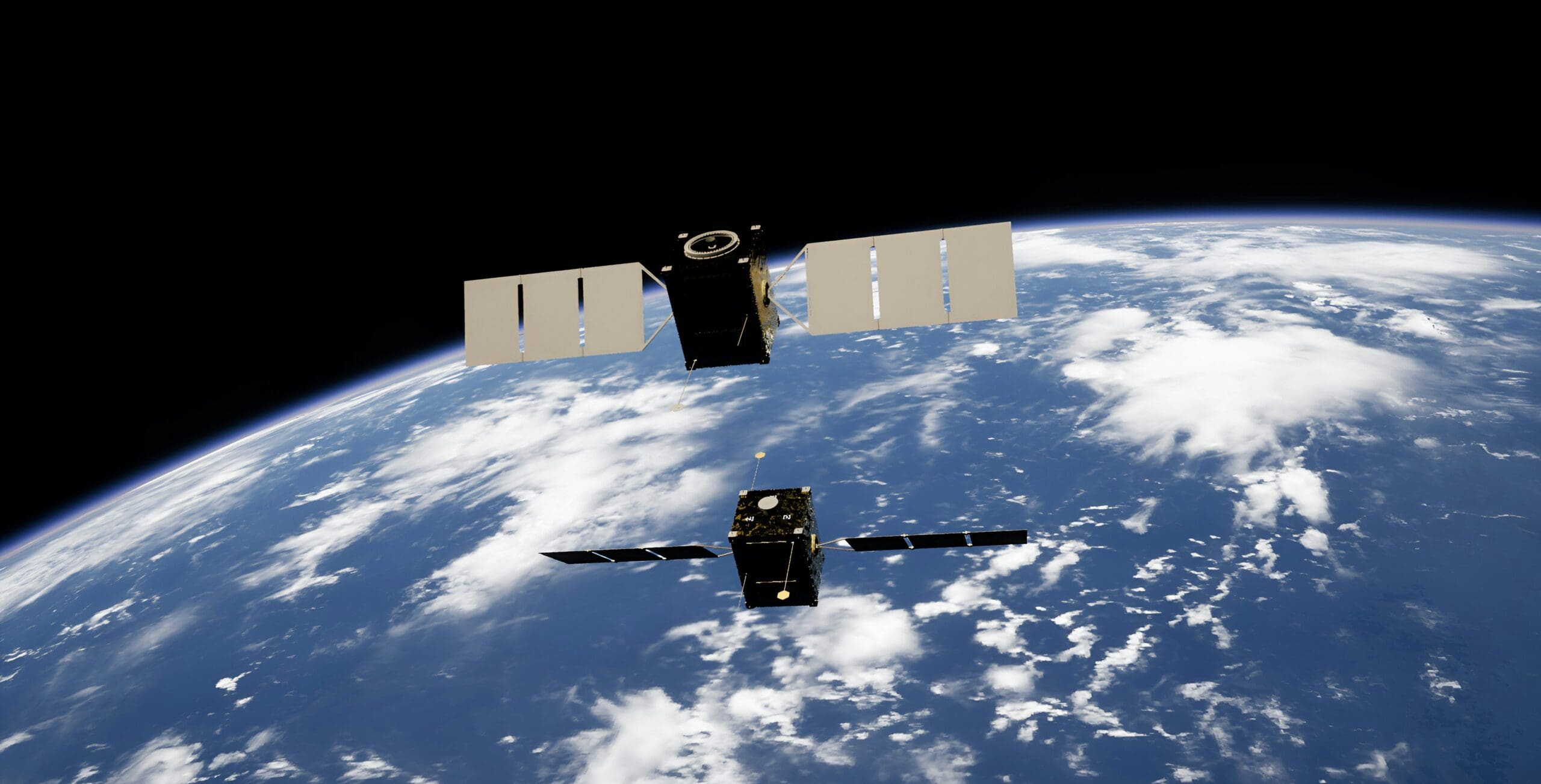
A London-based technology company, SatVu, is addressing this challenge by developing a satellite constellation capable of providing high-resolution thermal imagery from space. According to a report by EU Startups, the company recently secured €34 million in funding to accelerate its transition from a single demonstration satellite to a full multi-satellite constellation, bringing its total equity funding to €68 million.
The system is designed to reveal activity that is otherwise invisible. The technology functions day and night and is capable of detecting heat signatures associated with operational activity, even when it occurs inside buildings. This capability provides a unique layer of intelligence unavailable through standard optical imagery, enabling unprecedented analysis of infrastructure performance and anomaly detection.
The defense implications of this technology are substantial. The ability to monitor heat signatures from space provides a strategic advantage for intelligence, surveillance, and reconnaissance (ISR) applications. For instance, it can be used to track vehicle movements, monitor activity levels at military bases or industrial facilities, and assess what is occurring within opaque structures. The strategic investment from the NATO Innovation Fund (NIF) and Lockheed Martin underscores the system’s defense potential.
The transition from a demonstration phase to the deployment of an operational satellite constellation marks an important development in the field of remote sensing. As the array becomes fully operational, the ability to provide governments and other entities with intelligence insights based on thermal data is poised to change how global activity is analyzed and understood.























