

This post is also available in:
 עברית (Hebrew)
Operating after dark remains one of the most demanding conditions for soldiers and security forces. Night-vision equipment is essential, yet it is often expensive, difficult to maintain, and treated as disposable once damaged. For large forces and allied units, this creates a persistent gap between frontline needs and sustainment realities, especially during prolonged operations.
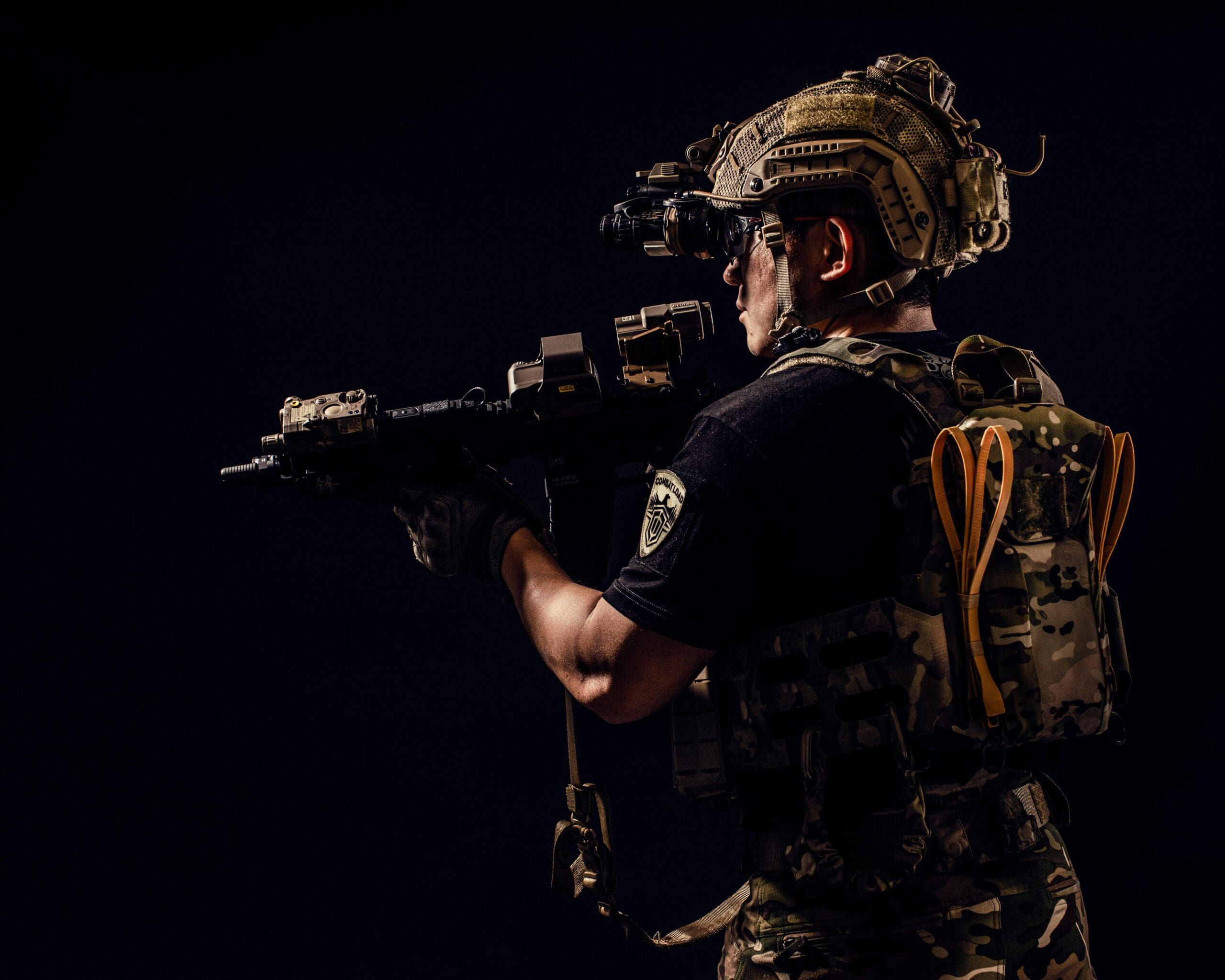
A newly introduced night-vision binocular takes a different approach by prioritizing durability and repairability over complexity. The Nova system is designed as a scalable, lower-cost alternative to high-end night-vision devices, with the goal of making reliable night capability available to a wider range of users rather than a limited subset of elite units.
According to NextGenDefense, the core idea behind the system is simplicity. Instead of requiring specialized facilities or full replacement when components fail, the binocular is built to be fixed in the field. Key internal parts, including image intensification tubes, can be accessed by removing just four screws. This design choice reduces downtime, lowers lifecycle costs, and allows units to keep equipment operational even when supply chains are stretched.
Functionally, the binocular delivers standard night-vision performance suited for routine operations rather than specialized targeting or sensor fusion tasks. It is intended to complement, not replace, more advanced systems that offer features such as fused thermal imagery or extended digital overlays. By separating everyday night visibility from premium capabilities, forces can allocate advanced systems where they are most needed while equipping the broader force with dependable optics.
The platform is also structured to evolve gradually. Planned variants are expected to introduce optional features such as integrated power sources, limited heads-up display elements, and improved user immersion, without fundamentally changing the system’s maintainability. This modular growth model allows users to adapt the device to changing operational needs without committing to a full redesign.
From a defense and homeland security perspective, the relevance is clear. Infantry units, border security forces, and tactical responders all rely on night-vision during patrols, surveillance, and search operations. Equipment that can be repaired quickly and locally reduces logistical burden and across large formations. For allied and partner forces, affordability and ease of maintenance are often decisive factors.
By focusing on repairability and scale rather than cutting-edge features, the binocular reflects a broader shift in military technology: designing systems not just to perform well on paper, but to remain usable, supportable, and available where they matter most—after the sun goes down.























